


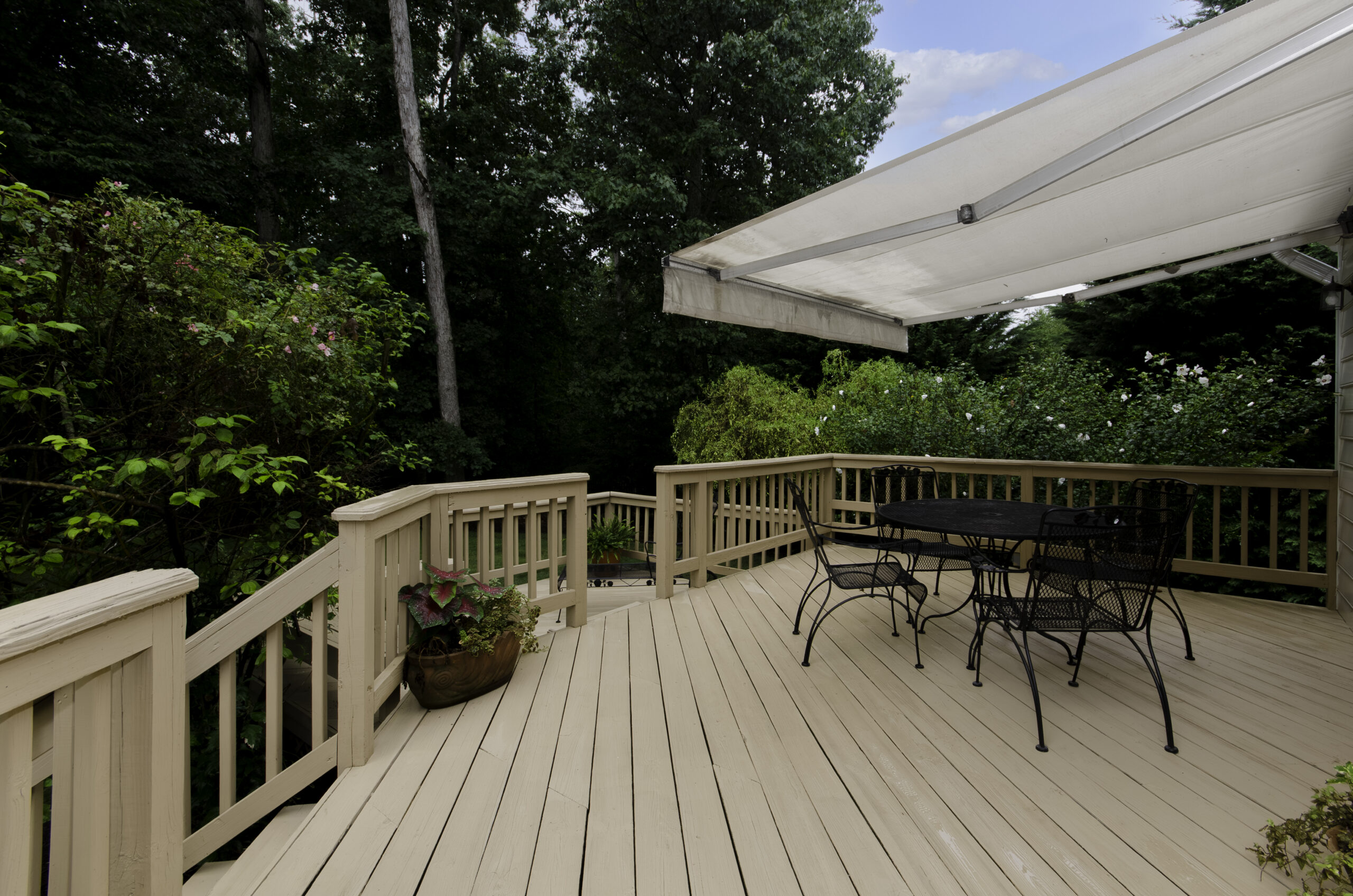
Your front porch is more than just an entry point; it’s a welcoming outdoor living space that significantly impacts your home’s curb appeal. Painting your porch is one of the most effective and affordable ways to refresh its look, but with a myriad of colors available, choosing the perfect hue can feel daunting. We’re here to guide you through the process of selecting the ideal porch paint color, ensuring a stunning and lasting impression.
Neutral vs. Accent porch colors
The first decision often revolves around whether your porch should blend in or stand out.
Neutral Porch Colors:
- Examples: Whites (crisp, off-white, cream), Grays (light to dark), Tans, Greiges (a blend of gray and beige).
- Pros: They’re timeless, versatile, and create a sophisticated, understated look. These colors allow other elements (like landscaping, furniture, and the front door) to truly pop. Neutrals are ideal for homes with busy exteriors or vibrant landscaping, creating a calming, expansive feel.
- Cons: They can sometimes appear uninspired if not balanced with thoughtful decor.
Accent Porch Colors:
- Examples: Deep Blues, Sage Greens, Terracotta, Charcoal, or even vibrant yellows or reds (when used sparingly).
- Pros: They add personality, vibrancy, and a unique character to your home. Accent colors can draw attention to architectural details and create a memorable first impression.
- Cons: They require careful consideration to ensure they complement the main house color and surrounding elements. If not chosen wisely, they can sometimes be overwhelming or may date faster than neutrals.
Floor color tips: Same, darker, or complementary shade
The porch floor, being the largest surface, plays a critical role in the overall color scheme.
- Same Color as the House (or a very close neutral):
- Look: This creates a monochromatic, seamless, and often grand effect. It can make the house appear larger and more cohesive.
- Best For: Modern homes, traditional homes aiming for understated elegance, or when you want the focus to be solely on the architecture.
- Darker Shade of the House Color:
- Look: This provides a subtle contrast, grounding the porch and adding visual weight. It’s practical as darker colors tend to show dirt less.
- Best For: Almost any style, offering a sophisticated and practical solution. For instance, if your house is a light gray, a charcoal floor works well. If your house is cream, a warm tan floor can be beautiful.
- Complementary or Contrasting Shade:
- Look: This adds visual interest and can highlight the porch as a distinct zone.
- Best For: Homes where you want the porch to be a focal point. For a white house, a light blue or soft green floor can create a charming coastal or cottage feel. For a tan house, a deep sage or muted rust floor can add depth.
- Consideration: Always ensure the chosen color complements both the main house color and the roof color. A color wheel can be a helpful guide for complementary hues.
Trending colors: Nature-inspired greens, calming blues, peaches, charcoal
Current trends in porch colors continue to lean towards hues that evoke comfort, nature, and sophistication.
- Nature-Inspired Greens (e.g., Sage, Olive, Moss):
- Why: These muted, organic greens bring the tranquility of the outdoors to your porch. They pair beautifully with white, cream, natural wood, and even brick. Sage offers a light, airy feel, while deeper olives provide more grounded sophistication.
- Ideal For: Craftsman, traditional, farmhouse, or even modern homes seeking a natural touch.
- Calming Blues (e.g., Powder Blue, Slate Blue, Teal undertones):
- Why: Blues are inherently calming and serene. Lighter blues can make a porch feel expansive and airy, while deeper slate blues offer a sophisticated, muted elegance. Blues evoke sky and water, perfect for a relaxing ambiance.
- Ideal For: Coastal, traditional, or even contemporary homes. They pair well with white trim and natural wood elements.
- Peaches & Warm Terracotta:
- Why: Reflecting the warm tones of sunsets and natural clay, these colors bring a cheerful, inviting, and often Mediterranean or Southwestern vibe. They offer unique warmth without being overly bold.
- Ideal For: Homes aiming for a distinctive warm, earthy aesthetic.
- Charcoal & Deep Grays:
- Why: A modern neutral that adds depth, sophistication, and a grounding effect. It provides a striking contrast with lighter house colors and can make a porch feel more substantial and contemporary. It’s also very practical for hiding dirt.
- Ideal For: Modern, contemporary, or updated traditional homes. Works well with white, light gray, or even bolder accent colors on the front door.
How does porch color affect curb appeal?
The color of your porch is a powerful tool in shaping your home’s first impression.
- Cohesion: A well-chosen porch color integrates the porch seamlessly with the rest of the house, creating a harmonious and polished look. A mismatched color can make the porch look like an afterthought.
- Defining Style: Color helps reinforce your home’s architectural style. A bright, cheerful color can lean into a cottage aesthetic, while a deep, muted tone can emphasize a Craftsman or traditional look.
- Perceived Size: Lighter colors tend to make a porch feel more spacious and open. Darker colors can make a porch feel more grounded and cozy.
- Mood & Welcome: Warm colors (peaches, some browns) evoke a cheerful and inviting mood. Cool colors (blues, greens) suggest tranquility and sophistication. The overall impression influences how visitors perceive your home.
- Highlighting Features: A contrasting or complementary color can draw attention to architectural details like columns, railings, or decorative trim, enhancing their beauty.
Choosing finish: Anti-slip, outdoor-rated enamel
Beyond color, the paint’s finish is crucial for durability, safety, and longevity.
- Outdoor-Rated Enamel: Always use a paint specifically formulated for exterior use, particularly for porches. These paints are designed to withstand UV rays, moisture, and temperature fluctuations without fading, peeling, or cracking. Look for acrylic latex or oil-based porch and floor paints.
- Anti-Slip Properties: For porch floors, an anti-slip or textured finish is highly recommended. Some paints come with fine aggregates mixed in, or you can add a non-slip additive to standard porch paint. This significantly improves safety, especially when wet.
- Sheen:
- Satin or Semi-Gloss: These sheens are typically recommended for porch floors and trim. They are more durable and easier to clean than flat paints, and they resist scuffs and mildew better. They also provide a subtle sheen that enhances the color.
- Flat/Matte: Generally not recommended for porch floors due to lower durability and difficulty in cleaning.
- High Gloss: Can be used for doors or specific trim details for a striking, reflective finish, but generally too slippery and prone to showing imperfections on large floor areas.
Sample & test before committing
This is perhaps the most important tip for choosing the perfect color.
- Buy Samples: Purchase small sample cans of your top 2-3 color choices.
- Paint Test Patches: Apply generous swatches of each color directly onto a discreet area of your porch (ideally on both the floor and any railings or trim you’re considering painting).
- Observe in Different Lights: View the samples at various times of day (morning, noon, evening) and under different weather conditions (sunny, cloudy). Light dramatically affects how a color appears.
- Step Back: Observe the samples from a distance, including from the street. This gives you a true sense of how the color will look in context with your home’s exterior and landscaping.
- Live with It: Don’t rush the decision. Leave the samples up for a few days to ensure you love the color in all conditions before committing to gallons.
Prep tips for long-lasting results
A beautiful paint job is only as good as the preparation underneath. Don’t cut corners here!
- Clean Thoroughly: Remove all dirt, grime, mildew, and loose paint chips. Use a stiff brush and a solution of outdoor cleaner or bleach/water mixture. Power washing on a low setting can be effective, but ensure adequate drying time.
- Repair Damage: Fill any cracks, holes, or gouges with appropriate exterior wood filler or patching compound. Sand smooth once dry. Replace any rotted wood.
- Sand: Lightly sand the entire surface to create a “tooth” for the new paint to adhere to. For previously painted surfaces, scuff sanding helps smooth out imperfections and dull the old finish.
- Remove Dust: Meticulously clean off all sanding dust with a leaf blower, vacuum, or damp cloth. Dust will prevent paint adhesion.
- Prime: Apply a high-quality exterior primer, especially if you’re painting bare wood, covering a dark color with a lighter one, or dealing with any stains. Primer ensures better adhesion, true color rendition, and a longer-lasting finish.
- Allow Proper Drying: Ensure all cleaning, repairs, and priming are completely dry before applying topcoats. Humidity and temperature can extend drying times.
- Choose the Right Weather: Paint on a dry, mild day with no rain in the forecast, avoiding direct scorching sun, which can cause paint to dry too quickly and create brush marks.
Choosing the right color and following proper preparation techniques will ensure your home’s porch is not just a walkway, but a stunning and welcoming outdoor space that you and your visitors will admire for years to come.
Ready to transform your porch into a vibrant and inviting entryway? LA Home Builders offers expert exterior painting services, ensuring a flawless finish and lasting curb appeal for your home. From color consultation to meticulous preparation and application, we handle it all! Contact us today for a free estimate and let’s bring your porch vision to life!