


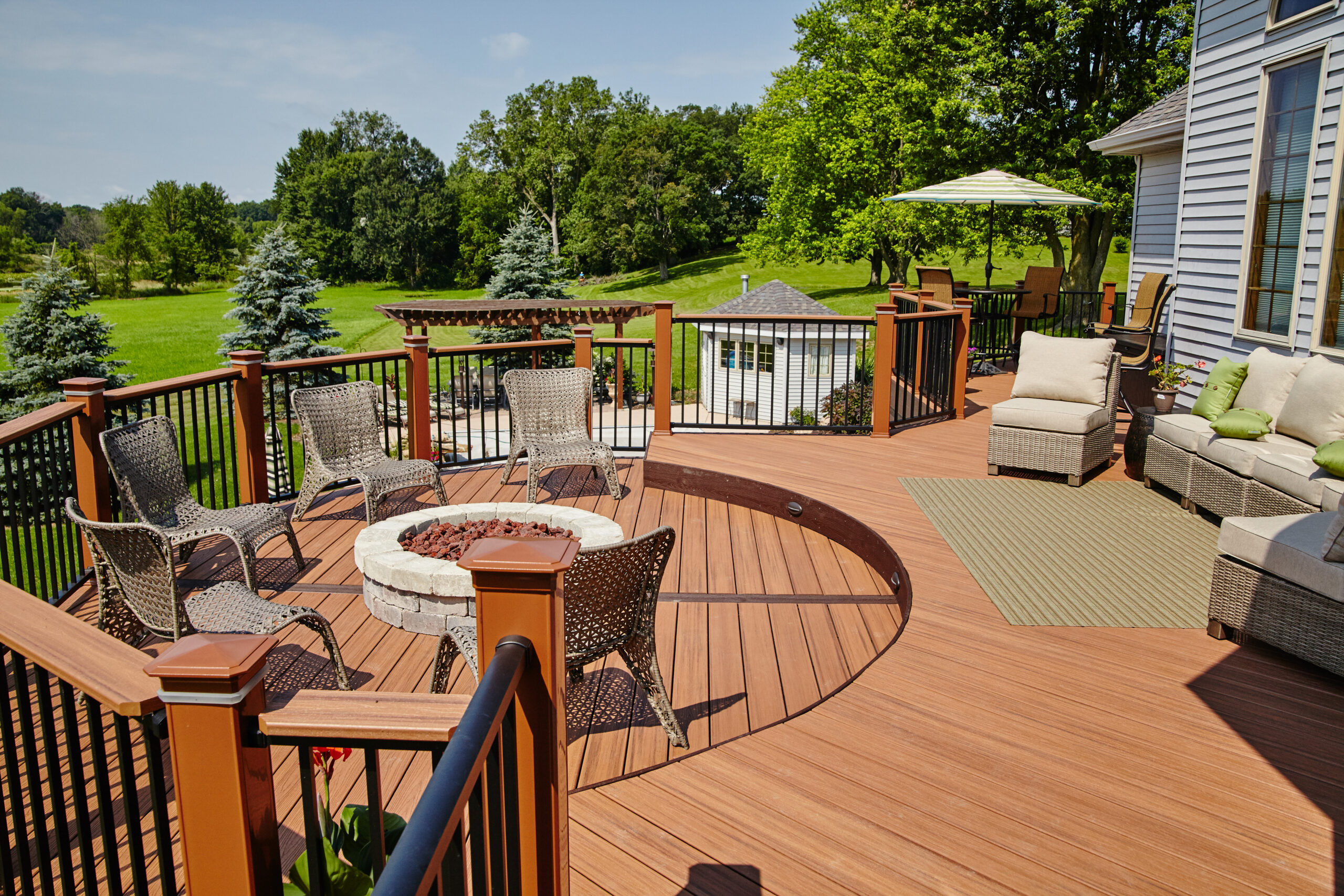
A cement porch offers a sturdy, long-lasting foundation for your outdoor living. While durable, its plain gray surface often lacks personality. Painting your cement porch is an excellent way to transform its look, enhance curb appeal, and add a layer of protection. Choosing the right color and finish is key to achieving a stylish and resilient surface. Here’s a guide to help you select the perfect hue for your cement porch.
Choosing colors that match your exterior palette
The most important rule in porch painting is to select a color that harmonizes with your home’s existing exterior. Your porch color should tie in with:
- Main House Color: The largest surface. Your porch should complement, not clash with, the primary siding color.
- Trim and Accent Colors: Consider the color of your window trim, door frames, and any accent features.
- Roof Color: The roof has a significant visual presence. Ensure your porch color works with its undertones.
- Landscaping: The natural greens of plants and trees can be highlighted or muted by your porch color.
- Architectural Style: A classic home might suit traditional hues, while a modern design could handle bolder or more minimalist choices.
Think of your porch as a bridge between your home and your yard. Its color should create a seamless and inviting transition.
Popular shades: Slate gray, silver strand, white, tan
Certain colors consistently prove popular for cement porches due to their versatility and aesthetic appeal.
- Slate Gray: A deep, rich gray with blue or brown undertones. It offers a sophisticated, modern, and grounded look. Slate gray is excellent for hiding dirt and provides a strong contrast for lighter house colors or vibrant accents.
- Silver Strand (Light Gray/Greige): A very light, often slightly warm, gray or greige (gray-beige) shade. It brightens the space, making the porch feel larger and more airy. It’s a fantastic neutral that pairs well with almost any exterior color, offering a subtle elegance.
- White: Crisp, clean, and classic. White instantly brightens and expands a porch, creating a fresh, welcoming feel. It provides a sharp contrast to dark house colors and highlights architectural details. Requires more frequent cleaning to maintain its pristine look.
- Tan: Ranging from warm sandy tones to deeper beige. Tan hues offer a natural, earthy feel that’s incredibly inviting. They complement brick, stone, and many siding colors, providing warmth without being too bold. They also tend to hide dirt well.
Earth tones vs. neutrals vs. pops of color
Deciding on the overall feel of your porch can help narrow down your color choices.
- Earth Tones: These colors are inspired by nature – think muted greens (sage, moss), warm browns (terracotta, clay), and deep rusts. They create a grounded, organic, and calming atmosphere. Earth tones work beautifully with natural wood accents and lush landscaping, fostering a serene connection to the outdoors.
- Neutrals: Whites, grays, and tans are the quintessential neutrals. They provide a versatile, timeless backdrop that allows your front door, furniture, and seasonal decor to take center stage. Neutrals create a clean, sophisticated, and often expansive look. They are a safe and enduring choice that always works.
- Pops of Color: While less common for the entire porch floor, a bold color can be used for porch railings, steps, or even a smaller accent area. Think vibrant blues, cheerful yellows, or deep reds. These are for homeowners looking to make a strong statement or inject personality. If using a pop of color, ensure it’s a complementary accent to the rest of your home, not an overwhelming feature.
Paint types: Low-luster, anti-slip, high-sheen acrylics
The right paint formulation is crucial for durability, safety, and appearance on cement.
- 100% Acrylic Latex Exterior Paint: This is the go-to for cement porches. It’s flexible, which helps it resist cracking as cement expands and contracts. It also adheres well, resists fading, and is easy to clean with water. Look for formulas specifically designed for porch and floor or concrete and masonry.
- Low-Luster/Satin Finish: This is the most common and recommended sheen for porch floors. It offers a subtle, appealing glow that’s less reflective than semi-gloss, helping to hide imperfections. It’s also more durable and easier to clean than a flat finish.
- Anti-Slip Properties: Crucial for safety, especially in areas prone to rain or morning dew. Many porch and floor paints come with a textured additive (like fine sand or polymer beads) for slip resistance. You can also purchase these additives separately to mix into your paint.
- High-Sheen Acrylics (Semi-Gloss/Gloss): These offer a more reflective, often more formal, look and are very easy to clean. However, they tend to show imperfections more readily and can be more slippery when wet if not combined with an anti-slip additive. They might be better suited for porch railings or vertical elements rather than the main walking surface.
Maintenance & recoat schedules
Even with durable paint, proper maintenance is key to a long-lasting finish.
- Regular Cleaning: Sweep your porch frequently to remove dirt and debris. Periodically wash it with a mild detergent and water, using a soft-bristled brush. Rinse thoroughly. Avoid harsh chemicals or high-pressure washing, which can damage the paint.
- Inspect Annually: In spring or fall, inspect your porch for any signs of wear, chipping, peeling, or cracking. Address small issues promptly before they spread.
- Recoat Schedule:
- Factors: The lifespan of your paint job depends on traffic, weather exposure (sun, rain, snow), and the quality of the paint and initial preparation.
- Typical: Expect to recoat every 3-7 years for most high-traffic cement porches. Some premium paints or areas with less exposure might last longer.
- Signs It Needs Recoating: Fading color, visible wear patterns, blistering, peeling, or paint coming off with cleaning.
- Spot Repairs: If you notice small chips or scratches, clean the area, lightly sand, prime (if necessary), and touch up with your original porch paint. This prevents small problems from becoming large ones.
Example color combos from top brands
While specific brand names for 2025 might evolve, here are examples of popular color combinations you can typically find across leading paint brands:
- Modern Neutral:
- House: Crisp White or Light Gray
- Porch Floor: Slate Gray or Charcoal
- Trim: White
- Front Door: A bold color like a deep teal or rich wood stain.
- Warm & Inviting:
- House: Cream or Warm Tan
- Porch Floor: Deeper Tan or Soft Terracotta
- Trim: Cream or Off-White
- Front Door: Muted green or a rich brown.
- Serene & Nature-Inspired:
- House: Off-White or Light Beige
- Porch Floor: Sage Green or Muted Olive
- Trim: White or Cream
- Front Door: Natural wood or a deeper moss green.
- Classic Charm:
- House: Light Blue or Light Yellow
- Porch Floor: Crisp White or a very light gray
- Trim: White
- Front Door: Dark blue or black.
Always remember to obtain paint samples and test them on your actual porch surface before committing to the entire project. Lighting conditions and surrounding elements can significantly alter how a color appears.
Ready to revitalize your cement porch with a durable and stylish new look? Painting a porch correctly requires proper preparation and the right materials to ensure a lasting finish. LA Home Builders can help you achieve a beautiful, professional result that enhances your home’s curb appeal for years to come. Contact us today for a consultation and let’s bring your vision to life!