


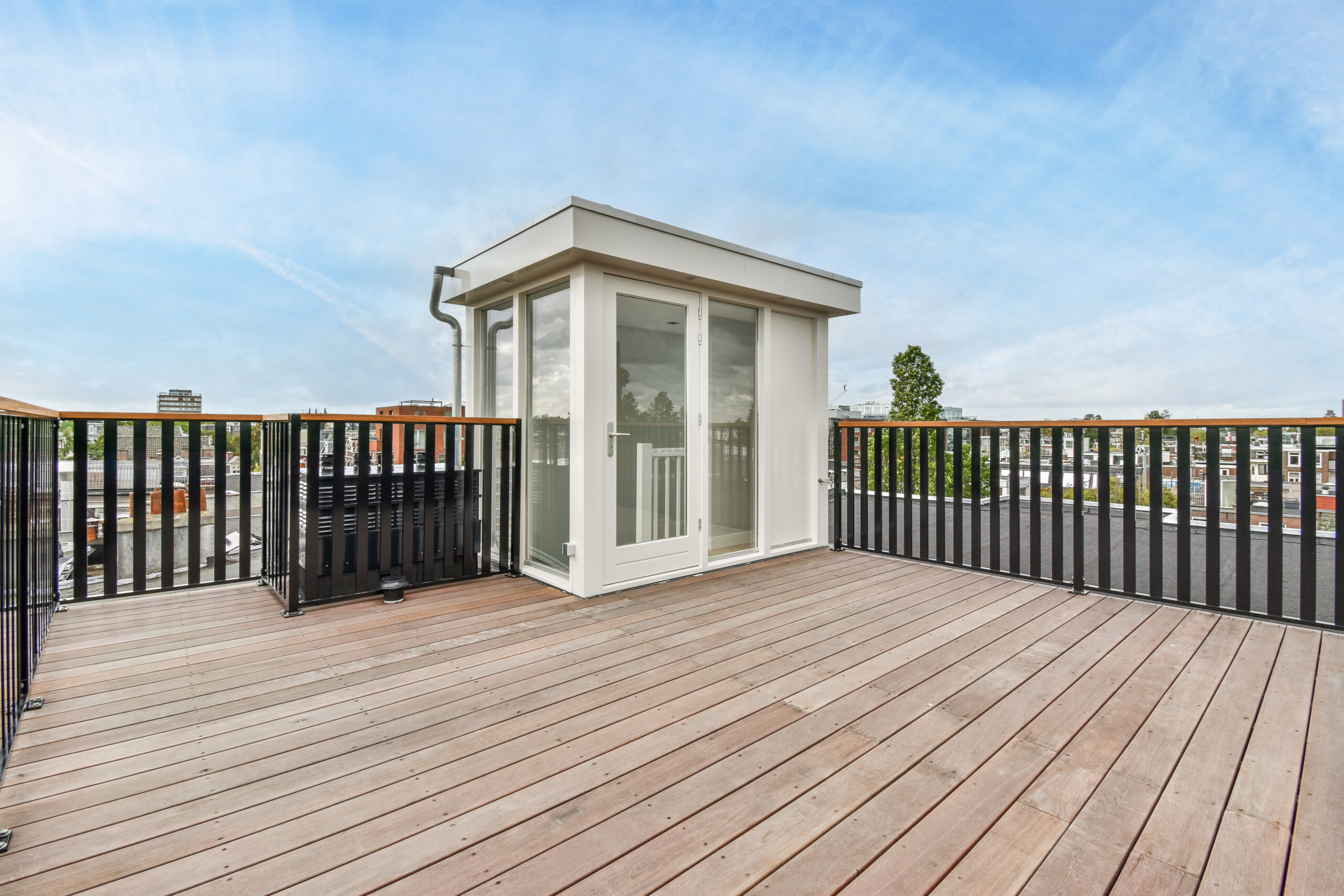
A second-floor porch or elevated deck offers a unique opportunity to expand your living space upwards, providing stunning views, enhanced privacy, and a luxurious outdoor retreat. Far beyond a simple balcony, these elevated structures can become true extensions of your home, ideal for entertaining, relaxation, or quiet contemplation. LA Home Builders helps you explore the exciting possibilities and essential considerations for designing a stylish and functional second-floor porch.
Structural essentials: Support, flooring, covers
Building an elevated outdoor space requires meticulous attention to structural integrity, material selection, and protection from the elements.
- Support: This is the most critical element. A second-floor porch must be structurally sound to support its own weight, furniture, occupants, and potential snow loads (depending on region).
- Footings and Posts: Deep, robust footings (below the frost line) and adequately sized support posts (wood, steel, or concrete) are essential.
- Ledger Board: Proper attachment to the house’s band joist or foundation is crucial and must meet strict building codes.
- Beams and Joists: Sized correctly for the span and anticipated load.
- Professional Engineering: For elevated structures, especially those with roofs or complex designs, consulting a structural engineer is highly recommended, and often required by local building codes, to ensure safety and compliance.
- Flooring: Choose materials that are durable, weather-resistant, and aesthetically pleasing.
- Pressure-Treated Wood: Economical and widely available, but requires regular maintenance (sealing/staining).
- Cedar or Redwood: Naturally resistant to rot and insects, offering natural beauty with less maintenance than pressure-treated wood.
- Composite Decking (e.g., Trex, Fiberon): Made from recycled materials, very low-maintenance, resistant to rot, insects, and fading. Available in various colors and textures mimicking wood. A popular choice for its durability and longevity.
- PVC Decking (e.g., TimberTech AZEK): 100% synthetic, highly durable, waterproof, mold-resistant, and requires virtually no maintenance. Excellent for all climates.
- Tile: Outdoor-rated porcelain or stone tiles can create a sophisticated, seamless look from indoor spaces, but require a properly sloped, waterproofed subfloor.
- Covers: Protection from sun and rain maximizes the usability of your elevated porch.
Pergolas, Umbrellas, Covered Patios
- Pergolas: Open structures providing partial shade and architectural interest. Can be adorned with climbing plants or retractable canopies for more sun protection.
- Umbrellas: Flexible and portable shade solutions. Cantilever umbrellas are great for covering larger areas without a central pole.
- Awnings: Wall-mounted, retractable awnings offer on-demand shade and rain protection. Can be manual or motorized.
- Covered Porches (Roof Extension): A permanent roof that extends from your home, providing full protection. This creates a true “outdoor room” and allows for more comfortable furniture and built-in features. This is the most complex and costly cover option, requiring significant structural integration.
- Shade Sails: Modern, tensioned fabric sails that offer sleek, contemporary shade over specific areas.
Layout options: Seating, plant walls, sunshade
Thoughtful layout design maximizes the comfort and utility of your elevated outdoor space.
- Zoned Seating: Divide the porch into distinct areas for different activities. A cozy reading nook with a single lounge chair, a dining area for al fresco meals, or a conversation zone with a full outdoor sofa set.
- Breakfast Nooks: A small bistro table and chairs perfect for morning coffee with a view.
- Plant Walls/Vertical Gardens: Excellent for adding lush greenery without consuming valuable floor space. They also enhance privacy and air quality.
- Integrated Planters: Custom-built planters can define areas, add natural beauty, and provide a convenient way to manage greenery.
- Sunshade Placement: Strategically position your shade structure (umbrella, pergola, awning) to block the sun during peak hours, considering the sun’s movement throughout the day.
- Access: Ensure comfortable and safe access from inside the house, often through French doors, sliding glass doors, or a bifold door system to maximize the indoor-outdoor connection.
Railing choices for safety & aesthetics
Railings are a crucial safety feature for any elevated structure, but they also significantly contribute to its aesthetic appeal. All railings must meet local building code height and baluster spacing requirements for safety.
- Vertical Balusters (Wood, Metal, Composite): The most traditional option.
- Wood: Classic and versatile, can be painted or stained.
- Aluminum/Wrought Iron: Durable, low-maintenance, offering various styles from classic to contemporary. Often chosen for sleek, minimalist looks or intricate designs.
- Composite: Matches composite decking, providing a cohesive, low-maintenance solution.
- Horizontal Cable Railings: Offer a modern, minimalist look with unobstructed views. Stainless steel cables are stretched horizontally between posts.
- Glass Panel Railings: Provide clear, uninterrupted views while offering excellent wind protection. Glass panels are typically tempered for safety and held in place by metal clamps or channels.
- Mixed Materials: Combine materials like wood posts with metal balusters, or stone pillars with composite top rails for a unique, layered look.
- Built-in Planters/Benches: Incorporate built-in elements into the railing design to add functionality and a custom feel, while still meeting safety requirements.
Material selection: Decking, finishes
Choosing the right materials ensures longevity, low maintenance, and a cohesive design.
- Decking: (As detailed in “Structural Essentials,” consider pressure-treated wood, cedar, redwood, composite, or PVC, based on budget, desired maintenance, and aesthetic.) Wider deck boards are a trend for 2025, offering a more modern, seamless look.
- Railings: (As detailed above, choose materials that complement the decking and the home’s architecture.)
- Structural Elements (Posts, Beams): Can be left exposed if aesthetically pleasing (e.g., stained cedar posts) or clad with decorative materials to match the home’s exterior.
- Ceiling Finishes (for covered porches):
- Tongue-and-Groove Paneling: Wood or PVC for a classic, finished look.
- Drywall: Can be painted for a clean, indoor-like finish.
- Soffit Material: Aluminum or vinyl soffit panels provide a clean, low-maintenance ceiling.
- Exterior Finishes: Ensure any paint or stain used on the porch matches or complements your home’s existing exterior colors for a harmonious look.
Integration with indoor spaces
The goal is to create a seamless transition, blurring the lines between indoor comfort and outdoor enjoyment.
- Large Openings: French doors, sliding glass doors (especially multi-panel or pocket sliders), or bifold doors are ideal for maximizing the connection, allowing the indoor space to flow effortlessly onto the porch.
- Consistent Flooring (Visual): While actual materials may differ, choosing indoor and outdoor flooring with similar tones, textures, or even patterns helps visually extend the space. For example, light-colored tile indoors leading to light-colored composite decking outdoors.
- Shared Color Palette: Extend your interior color scheme to the porch through outdoor furniture, cushions, rugs, and decor. Use complementary shades to create depth.
- Furniture Style: Select outdoor furniture that echoes the style of your interior decor—e.g., modern sleek furniture indoors and out, or rustic farmhouse style in both.
- Window Placement: If expanding existing windows to doors, ensure the new opening aligns aesthetically with the room’s design.
Decorating tips: Lighting, furniture, greenery
The finishing touches bring personality and life to your elevated outdoor oasis.
- Layered Lighting:
- Ambient: Recessed lighting in a covered ceiling, or string lights draped overhead.
- Task: Wall sconces near doors or seating areas, or even small outdoor table lamps.
- Accent: LED strip lighting under railings or benches, or solar-powered lanterns for a soft glow.
- Comfortable Furniture: Prioritize comfort and durability. Choose weather-resistant materials like teak, aluminum, wicker, or marine-grade fabrics for cushions. Add throw pillows and outdoor rugs for coziness and color.
- Greenery: Bring nature onto your elevated space.
- Potted Plants: Use a variety of sizes and types of planters to add visual interest and lushness. Consider drought-tolerant plants or those that thrive in containers.
- Hanging Baskets: Ideal for maximizing greenery in smaller spaces.
- Small Trees/Shrubs: Dwarf citrus trees or compact evergreens in large planters can provide height and structure.
- Personal Touches: Add outdoor artwork, wind chimes, or decorative accessories that reflect your personal style.
- Weather Protection: Include a waterproof storage box for cushions and smaller decor items during inclement weather.
A second-floor porch is more than just an addition; it’s an elevated sanctuary that adds significant value and enjoyment to your home.Ready to elevate your outdoor living with a custom second-floor porch? LA Home Builders specializes in designing and building beautiful, safe, and functional elevated outdoor spaces that complement your home’s architecture and enhance your lifestyle. Contact us today for a consultation and let’s bring your elevated outdoor vision to life!