
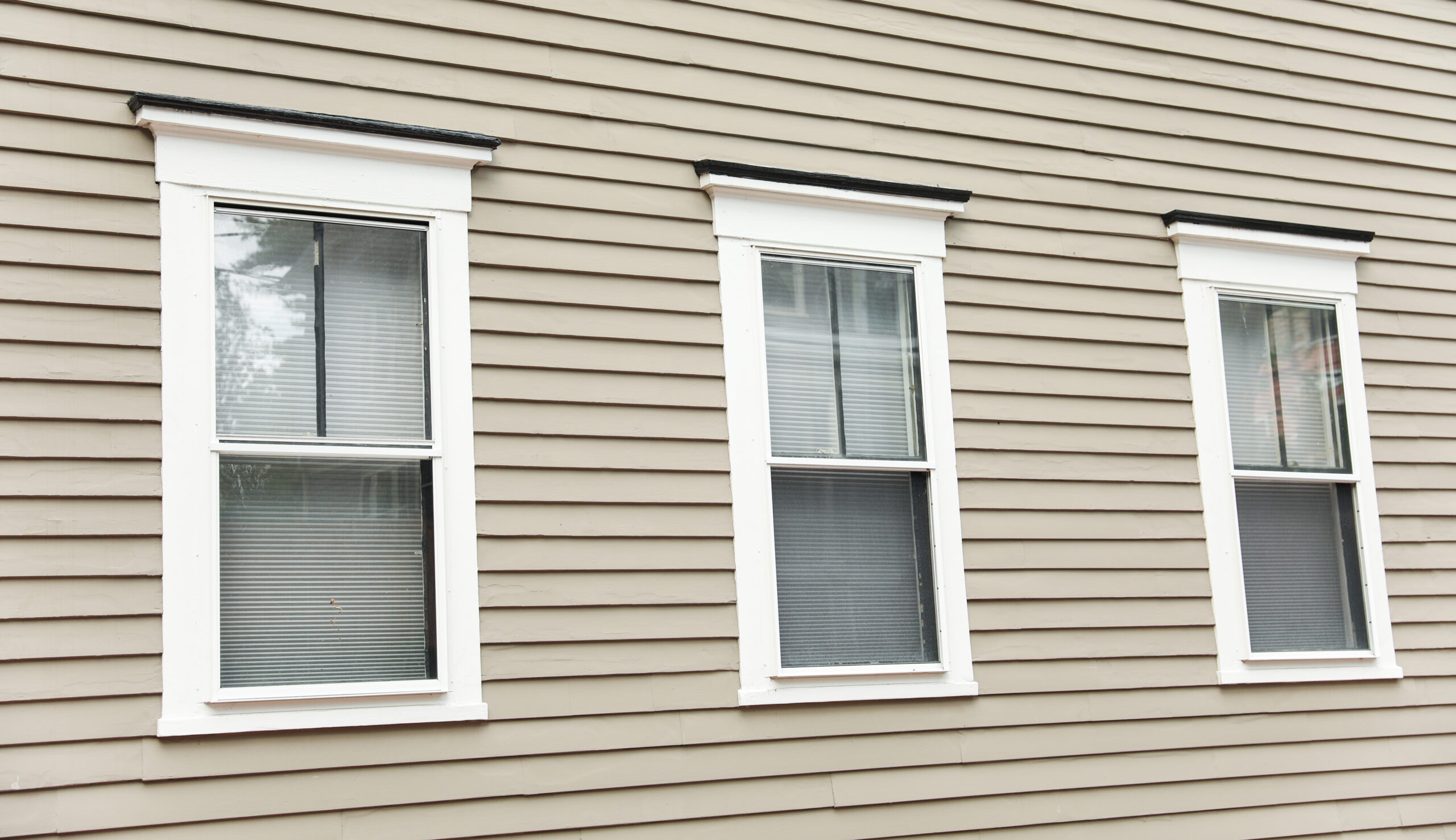
Window frames are more than just decorative elements; they are crucial components that impact your home’s energy efficiency, durability, maintenance, and overall aesthetic. As a homeowner, understanding the different types of window frame materials is essential when choosing new windows or planning a replacement project. LA Home Builders helps you navigate the options, highlighting the benefits, costs, and considerations for each.
Vinyl window frames: Cost, insulation, lifespan
Vinyl is one of the most popular window frame materials due to its balance of affordability and performance.
- Description: Made from rigid polyvinyl chloride (PVC), often with hollow chambers or foam filling for insulation.
- Cost: Generally the most budget-friendly option for new window frames.
- Insulation: Offers excellent thermal insulation due to its multi-chambered construction, helping to reduce heat transfer and lower energy bills.
- Lifespan: With proper installation and care, vinyl windows can last 20-40 years.
- Benefits: Low maintenance (don’t require painting or staining), resistant to rot, rust, and insect damage, good noise reduction, and available in various colors (though color options are more limited than wood).
- Considerations: Can sometimes expand and contract with extreme temperature changes, which might affect long-term sealing. Colors are typically integral, so they can’t be changed later.
Wood frames: Aesthetic, maintenance, lifespan
Wood window frames offer unparalleled natural beauty and a classic appeal that many homeowners desire.
- Description: Crafted from various wood species like pine, fir, mahogany, or oak.
- Cost: Typically a mid-to-high range option, varying based on wood type and customization.
- Insulation: Wood is a natural insulator, offering good thermal performance.
- Lifespan: Can last 30-60 years or more with diligent maintenance. Some historical wood windows have lasted centuries.
- Benefits: Superior aesthetic appeal, customizable with paint or stain, excellent strength and rigidity, good sound dampening, and a classic look suitable for traditional or historic homes.
- Considerations: Requires regular maintenance (painting, staining, sealing every few years) to protect against moisture, rot, pests, and UV damage. Can be susceptible to warping or swelling if not properly maintained.
Wood-clad frames: Hybrid benefits
Wood-clad frames offer the best of both worlds, combining the warmth of wood indoors with a durable exterior.
- Description: Feature a wood interior frame (visible inside your home) covered with an exterior cladding of a more durable, weather-resistant material like aluminum, vinyl, or fiberglass.
- Cost: Generally in the mid-to-high range, often comparable to or slightly more than solid wood due to the dual materials and manufacturing complexity.
- Insulation: Provides excellent insulation due to the wood interior and often well-engineered cladding.
- Lifespan: Can last 30-50 years or more, with the exterior cladding significantly reducing maintenance needs compared to solid wood.
- Benefits: Offers the beautiful aesthetic of wood indoors without the extensive exterior maintenance. Resistant to rot and weather on the outside. Available in a wide range of exterior colors and interior wood finishes.
- Considerations: Can be more expensive than pure vinyl. If the cladding is damaged, moisture can potentially get to the wood core.
Aluminum & fiberglass frames: Modern options
These materials represent more contemporary choices, each with distinct advantages for specific applications.
Aluminum Frames:
- Description: Strong, lightweight metal frames. Modern aluminum frames often include thermal breaks (a non-metallic barrier) to improve insulation.
- Cost: Mid-range for standard aluminum, higher for thermally broken or large commercial-grade systems.
- Insulation: Historically poor insulator without thermal breaks. Modern thermally broken aluminum significantly improves performance but still lags behind vinyl or fiberglass.
- Lifespan: Very durable, lasting 30-50 years or more.
- Benefits: Extremely strong and thin frames, allowing for larger glass areas and sleek, modern aesthetics. Resistant to rust and rot. Great for large window walls or commercial applications.
- Considerations: Can still conduct heat or cold more readily than other materials, potentially leading to condensation.
Fiberglass Frames:
- Description: Made from glass fibers and resin, pultruded into highly stable and strong window profiles.
- Cost: Generally high-end, more expensive than vinyl and often comparable to wood-clad.
- Insulation: Excellent thermal performance, comparable to or even better than wood, as fiberglass is a poor conductor of heat.
- Lifespan: Exceptional durability, often lasting 50 years or more. Highly resistant to warping, swelling, rotting, and insect damage.
- Benefits: Extremely strong and stable (resists expansion/contraction), highly energy-efficient, can be painted, and ideal for harsh climates or large window configurations. Very low maintenance.
- Considerations: Limited color options compared to paintable wood. Can be difficult to repair if damaged.
Composite & steel frames
These less common, but specialized, options cater to particular design or performance needs.
- Composite Frames:
- Description: Made from a blend of materials, often including wood fibers and plastic resins. Designed to combine the best properties of multiple materials.
- Cost: Varies, but typically in the mid-to-high range.
- Insulation: Generally good thermal performance, depending on the specific composition.
- Lifespan: Durable, often designed for 30-50+ years.
- Benefits: Offer enhanced durability and stability over pure wood or vinyl, often with better resistance to rot and insects than wood. Can sometimes be painted or stained.
- Considerations: Performance and aesthetics vary widely by manufacturer and specific material blend.
- Steel Frames:
- Description: Very thin, strong frames made from steel. Often used in industrial, historic, or highly modern minimalist designs.
- Cost: Typically the most expensive option, often custom-made.
- Insulation: Poor insulator without specific thermal breaks, similar to aluminum.
- Lifespan: Extremely durable, lasting 75 years or more.
- Benefits: Unmatched strength allows for incredibly narrow sightlines and maximum glass area. Creates a distinct, high-end architectural statement.
- Considerations: Very heavy, difficult to install. High cost. Prone to rust if not properly coated or maintained.
Cost comparisons & energy efficiency
When making your decision, consider both the upfront cost and the long-term savings through energy efficiency.
- Cost Comparison (General Ranking from Least to Most Expensive):
- Vinyl: Most affordable.
- Wood: Mid-to-high, depends on wood type.
- Aluminum: Mid-to-high, higher for thermal breaks.
- Wood-Clad: Mid-to-high, often similar to fiberglass.
- Fiberglass: High-end.
- Composite: Varies, generally mid-to-high.
- Steel: Highest, often custom. Keep in mind that these are general ranges. Specific product lines, customization, and regional labor rates will influence the final price.
- Energy Efficiency (General Ranking from Best to Worst Insulators):
- Fiberglass: Excellent.
- Wood: Excellent natural insulator.
- Vinyl: Excellent.
- Wood-Clad: Excellent (combines wood’s insulation with external protection).
- Composite: Good (varies by composition).
- Aluminum (with thermal break): Good (but less than above).
- Aluminum (without thermal break) / Steel: Poor (can be a major source of heat loss/gain).
Look for ENERGY STAR® certified windows, which meet strict energy efficiency guidelines. Factors like glazing (double-pane, triple-pane), Low-E coatings, and inert gas fills (argon, krypton) within the panes also significantly impact a window’s overall energy performance, regardless of frame material.
Choosing the right frame for your home
Selecting the perfect window frame material involves balancing aesthetics, budget, climate, and maintenance preferences.
- For Budget-Conscious Homeowners: Vinyl offers great value, energy efficiency, and low maintenance.
- For Classic Aesthetic & Natural Warmth: Wood frames are unmatched, but be prepared for the maintenance.
- For Wood Look with Low Maintenance: Wood-clad frames provide the best of both worlds.
- For Extreme Durability & Energy Efficiency (High-End): Fiberglass is an excellent choice, especially in challenging climates.
- For Modern, Slim Profiles & Large Views: Aluminum (with thermal breaks) or Steel offer unique architectural statements but come at a higher cost and might have less insulation than other options.
- Consider Your Climate: In areas with extreme temperatures or high humidity, materials like fiberglass or vinyl that resist expansion/contraction and moisture are often preferred.
- Long-Term Costs: Factor in maintenance expenses over the lifespan of the window. A cheaper initial material might end up costing more over time due to upkeep.
- Consult a Professional: A reputable window contractor can provide expert advice based on your home’s specific needs, your budget, and local building codes. They can help you understand the nuances of each material and ensure a proper installation.
Your window frames are a long-term investment. By carefully evaluating these factors, you can select the material that best suits your home’s style, your lifestyle, and your budget, ensuring comfort and beauty for years to come.
Ready to upgrade your home’s windows with the perfect frames? LA Home Builders specializes in window installation and replacement, offering a wide selection of materials and expert craftsmanship to enhance your home’s beauty and energy efficiency. Contact us today for a consultation and a precise estimate for your window project!