


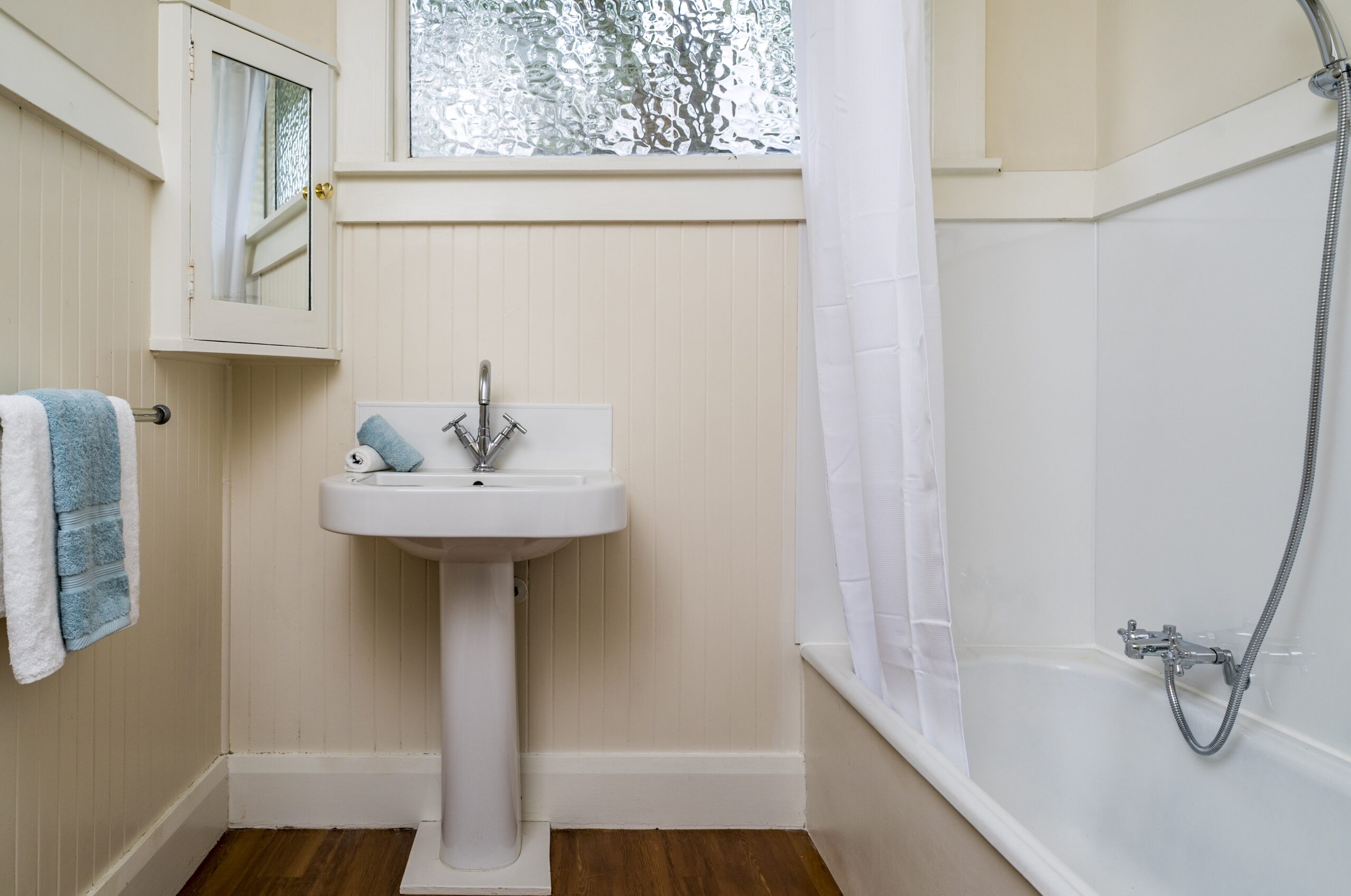
Adding a bathroom to your basement is one of the most popular and value-adding home improvement projects. It transforms often unused or underutilized subterranean space into a functional living area, significantly increasing your home’s comfort, convenience, and resale value. However, the cost of a basement bathroom can vary widely due to the unique challenges of below-grade plumbing, ventilation, and finishing. LA Home Builders outlines what homeowners can expect regarding the costs and key considerations for adding a basement bathroom.
National and regional cost averages
The cost of adding a basement bathroom can range from a budget-friendly half-bath to a luxurious full bathroom, with prices fluctuating based on location, material choices, and labor rates.
- Average Cost Range (USA):
- For a basic half-bath (toilet and sink): Expect to pay between $5,000 and $15,000.
- For a standard full bathroom (toilet, sink, shower): Costs typically range from $15,000 to $25,000.
- For a high-end or luxury full bathroom (including bathtub, custom finishes): Prices can easily exceed $25,000, reaching $40,000 or more.
- Per Square Foot Cost: While less commonly quoted per square foot for bathrooms specifically, the cost per square foot for finishing a basement can range from $20-$70+, with the bathroom portion being on the higher end of that range due to specialized plumbing and fixtures.
Important Note: These are national averages for the USA market. Costs can be higher in urban centers or areas with a higher cost of living and specialized labor, and lower in rural areas.
Key cost drivers
Understanding the primary factors that drive the cost of a basement bathroom will help you budget effectively and make informed decisions.
Plumbing installation
- Gravity Drain vs. Upflush/Ejector Pump: This is often the most significant cost differentiator.
- Gravity Drain (Least Expensive): If your basement’s main drain line is located below the level of the new bathroom’s fixtures, you can utilize a gravity-fed drainage system. This is the ideal and most cost-effective scenario.
- Upflush Toilet System (Mid-Range): If the drain line is above the bathroom floor, an upflush toilet (also known as a macerating toilet) grinds waste and pumps it up into the main drain. This system is less invasive to install than an ejector pump but typically only handles the toilet and a sink.
- Ejector Pump System (Most Expensive, Most Versatile): For a full bathroom where fixtures are below the main drain, an ejector pump system is usually required. This involves installing a large basin buried in the concrete floor that collects all wastewater from the toilet, sink, and shower, then pumps it up and into the main drain. This requires breaking concrete and significant plumbing work.
- Water Supply Lines: Extending hot and cold water lines to the new bathroom. The distance from existing lines impacts cost.
- Venting: Proper venting is crucial for drainage and preventing sewer gas odors. This may involve extending existing vent stacks or installing new air admittance valves.
Bathroom size and features
- Size: A larger bathroom requires more materials (flooring, drywall, paint, tile) and more labor, increasing overall cost.
- Fixture Quality: The quality and style of fixtures (toilet, sink, faucet, showerhead) significantly impact the budget. Basic fixtures are far less expensive than designer or custom options.
- Shower vs. Tub:
- A standalone shower (especially a pre-fab unit) is often less expensive to install than a full bathtub, especially if the tub requires extensive tiling or custom enclosures.
- A tile shower will increase costs compared to a pre-fab unit due to increased labor and material for tiling.
- Finishes:
- Flooring: Vinyl plank and basic ceramic tile are more affordable than porcelain, natural stone, or radiant heated floors.
- Walls: Drywall and paint are standard, but adding wainscoting, decorative tile, or custom shelving will increase costs.
- Vanity & Countertop: Stock vanities with laminate tops are budget-friendly, while custom cabinetry with granite or quartz countertops is a premium upgrade.
- Lighting & Electrical: Adding new electrical circuits for lighting, outlets, and exhaust fans. Specialty lighting or smart features add to the complexity and cost.
Permits and labor
- Permits: A basement bathroom addition involves structural, plumbing, electrical, and potentially mechanical work, all of which require permits from your local municipality. Permit costs vary but typically range from a few hundred to over a thousand dollars.
- Labor: Labor costs are a significant portion of the total. Hiring licensed and experienced plumbers, electricians, carpenters, and tilers ensures code compliance and a quality finish. Labor rates vary by region and contractor.
- Inspections: The project will require multiple inspections by local building authorities at various stages, which is part of the permit process.
Popular basement bathroom layouts
Considering the unique aspects of basement construction, certain layouts are more common and practical.
- The “Half-Bath” (Powder Room):
- Features: Toilet and sink only.
- Pros: Most affordable and easiest to install, especially if limited by space or budget. Can often be tucked into a small corner or under stairs.
- Ideal for: Adding convenience to a finished family room or entertainment area.
- The “3/4 Bath” (Shower, No Tub):
- Features: Toilet, sink, and a shower stall.
- Pros: Adds full functionality for guests or additional family members without the space or cost of a bathtub.
- Ideal for: Guest suites, home gyms, or general use where a tub isn’t essential.
- The “Full Bath”:
- Features: Toilet, sink, and a combination tub/shower or separate tub and shower.
- Pros: Offers complete functionality, essential for creating an independent living space or an extra bedroom suite.
- Ideal for: Basement apartments, in-law suites, or maximizing home value and utility.
- Rough-In Conversion: If your basement already has a “rough-in” (pre-plumbed pipes stubbed out from the concrete floor and walls), this significantly reduces the cost of plumbing installation, making a bathroom addition much easier.
DIY vs. Professional installation
Deciding whether to tackle a basement bathroom yourself or hire professionals has a major impact on cost and outcome.
- DIY Installation:
- Pros: Can save significantly on labor costs (potentially 50% or more of the total project).
- Cons: Highly complex project requiring skills in plumbing, electrical, framing, drywall, and tiling. Mistakes can be costly, difficult to fix, and may lead to code violations or water damage. Breaking concrete for drainage is a major undertaking.
- Recommendation: Only attempt DIY if you have significant experience in all relevant trades. Even then, professional help for plumbing and electrical hookups (especially to the main sewer line or electrical panel) is highly recommended or legally required.
- Professional Installation:
- Pros: Ensures code compliance, high-quality workmanship, proper drainage and ventilation, and warranty on labor. Saves you time and stress. Professionals have the right tools and experience for excavation, concrete work, and specialized plumbing.
- Cons: Higher upfront cost due to labor.
- Recommendation: For a basement bathroom, especially one requiring concrete cutting or an ejector pump, hiring experienced professionals like LA Home Builders is strongly recommended. This is a critical investment in your home’s infrastructure.
Tips to maximize ROI
A basement bathroom can offer a strong return on investment (ROI), often recouping 50-70% or more of its cost at resale. Maximize this by making smart choices.
- Prioritize Functionality and Code Compliance: Ensure proper plumbing, ventilation, and egress (if needed). A non-compliant bathroom is a liability, not an asset.
- Choose Durable, Mid-Range Finishes: You don’t need top-of-the-line luxury finishes for a good ROI. Opt for durable, attractive, and timeless materials that are easy to clean. Ceramic tile, cultured marble, and solid-surface countertops offer great value.
- Optimize Layout: Work with your contractor to find the most efficient layout that minimizes new plumbing runs and avoids complex structural modifications.
- Maximize Natural Light (if possible): If your basement allows for an egress window, incorporating it into the bathroom design can significantly enhance the space’s appeal and perceived value.
- Focus on Practicality: Consider who will use the bathroom most. A guest bathroom might need a shower, while a family basement rec room might just need a powder room.
- Ensure Proper Waterproofing: Before finishing, ensure your basement walls and floor are properly waterproofed. Preventing future water issues is critical for preserving your investment.
- Integrate with Overall Basement Plan: If you’re finishing your entire basement, plan the bathroom’s location and finishes to seamlessly integrate with the adjacent living spaces.
Adding a bathroom to your basement is a substantial project with significant benefits. By understanding the cost drivers, making informed material choices, and partnering with experienced professionals, you can create a valuable and functional space that enhances your home for years to come. For expert basement finishing and bathroom additions, trust the skilled team at LA Home Builders to deliver quality and value.