


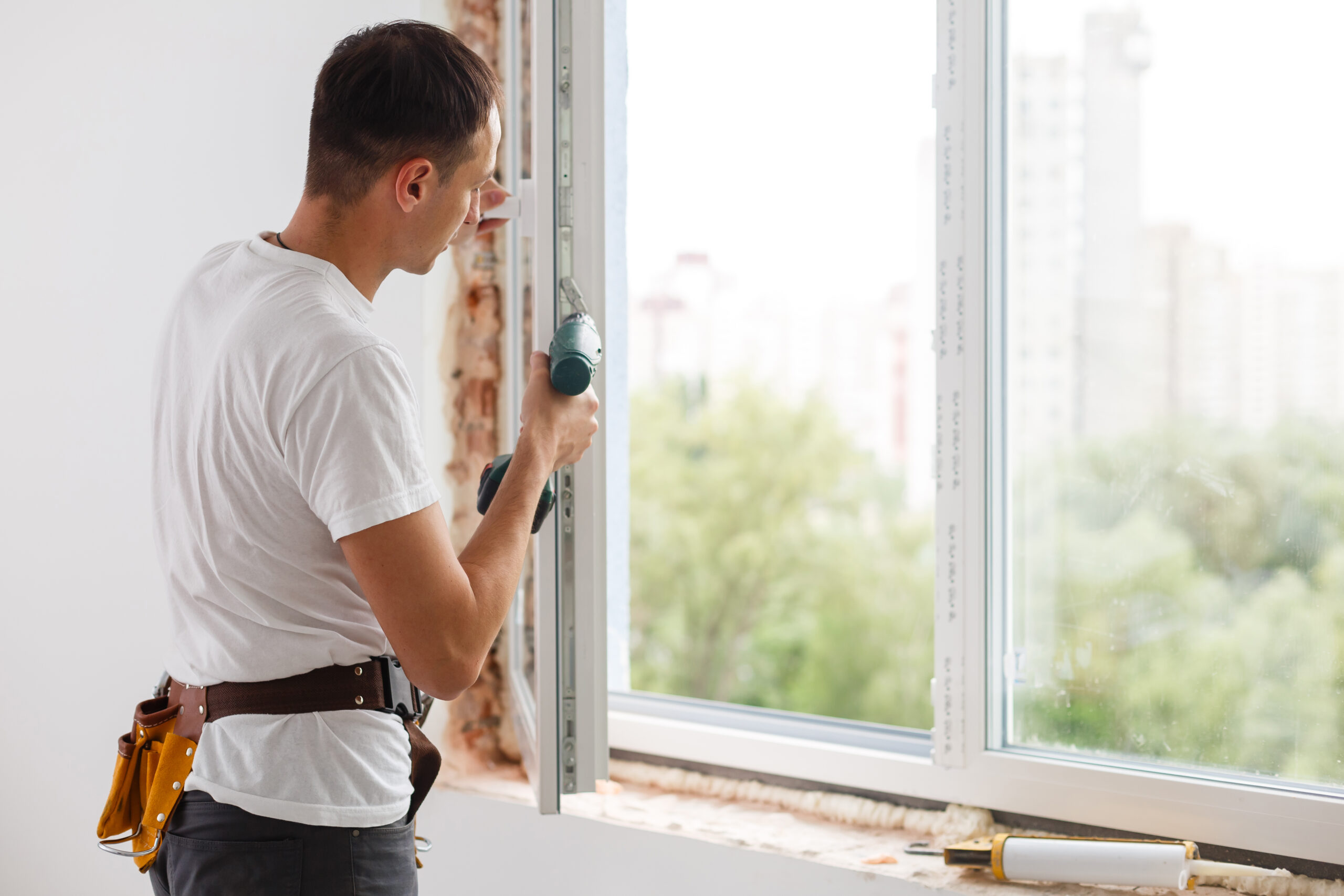
Your home’s front window is more than just a pane of glass; it’s a critical element of your home’s curb appeal, energy efficiency, security, and overall comfort. Replacing an old or damaged front window can significantly enhance your home’s aesthetic and functional performance. However, understanding the costs and factors involved is essential for effective planning. LA Home Builders outlines what homeowners can expect when considering the replacement of their front window.
Average cost to replace a front window
The cost to replace a front window can vary widely, primarily influenced by the window’s size, type, frame material, and glass features, as well as labor rates in your specific area of the USA.
- Overall Average Range (Material + Installation): Homeowners typically pay between $300 and $1,200 per window for replacement, including both the window unit and professional installation.
- Low-End: A basic, standard-sized vinyl single-hung or double-hung window might fall in the $300 – $600 range.
- Mid-Range: More common styles like double-hung or casement with good energy efficiency (e.g., Low-E, argon gas) and a durable vinyl or standard wood frame usually cost $600 – $900.
- High-End: Large picture windows, bay/bow windows, custom sizes, premium wood or fiberglass frames, or advanced energy-efficient features can push costs to $900 – $2,500+ per window.
Keep in mind that while the front window is often a single unit, it can sometimes be part of a larger bay or picture window assembly, which will significantly increase the overall cost.
Factors that influence price
Several key elements contribute to the total expense of replacing your front window.
Window size and type
- Size: Larger windows naturally require more material and often more labor to install, increasing the cost. Custom sizes, especially for older homes, will also be more expensive than standard dimensions.
- Window Type/Style:
- Single-Hung/Double-Hung: These are among the most common and often least expensive styles, with one or both sashes sliding vertically.
- Casement: Hinged on the side and open outward with a crank, offering good ventilation and a modern look; often mid-range in price.
- Picture (Fixed): Non-opening windows designed to maximize views and natural light. Cost varies greatly by size but is generally efficient as there are no moving parts.
- Bay or Bow Windows: These elaborate windows project outward from the home, creating a focal point and interior space. They are significantly more expensive due to their complex structure, multiple glass panels, and specialized installation.
- Specialty Windows: Arched, round, or custom-shaped windows will incur higher costs for both manufacturing and installation.
Frame materials (vinyl, wood, aluminum)
The material of the window frame plays a substantial role in both cost and performance.
- Vinyl:
- Cost: Generally the most affordable option, typically ranging from $300 – $850 per window installed.
- Pros: Low maintenance, good energy efficiency, readily available in various colors, durable against moisture and pests.
- Cons: Less aesthetic flexibility than wood, can expand/contract in extreme temperatures, some lower-quality vinyl can warp or become brittle over time.
- Wood:
- Cost: Mid to high range, usually $800 – $1,500+ per window installed.
- Pros: Excellent natural insulator, classic aesthetic appeal, can be painted or stained to match any decor, highly durable with proper maintenance.
- Cons: Requires regular maintenance (painting, sealing) to prevent rot and insect damage, generally higher upfront cost.
- Aluminum:
- Cost: Mid-range, typically $650 – $1,100 per window installed.
- Pros: Strong, durable, thin frames allow for more glass area, modern appearance, low maintenance.
- Cons: Poor insulator unless equipped with thermal breaks, can corrode in coastal areas, less energy-efficient than vinyl or wood if not properly designed.
- Fiberglass:
- Cost: High-end, often $900 – $1,400+ per window installed.
- Pros: Extremely durable, highly energy-efficient, stable in extreme temperatures, low maintenance, can be painted.
- Cons: Higher initial cost, fewer color options than vinyl.
Energy-efficient glass options
Upgrading your window glass can significantly improve your home’s energy performance, though it adds to the upfront cost.
- Double-Pane Glass: Standard in most new windows, with two panes of glass separated by a sealed air or gas-filled space. Adds to insulation.
- Triple-Pane Glass: Offers superior insulation and noise reduction due to three panes of glass and two sealed spaces. Adds $100-$300+ per window compared to double-pane.
- Low-Emissivity (Low-E) Coatings: A thin, transparent coating that reflects infrared light, keeping heat inside in winter and outside in summer. Adds $50-$200 per window.
- Inert Gas Fills (Argon or Krypton): Argon (more common) or Krypton gas between glass panes provides better insulation than air. Argon is often standard in energy-efficient windows. Krypton is more expensive but offers superior performance in thinner spaces (e.g., triple-pane).
- Warm-Edge Spacers: Non-conductive spacers between glass panes reduce heat transfer around the edges.
Choosing ENERGY STAR® certified windows ensures they meet strict energy efficiency guidelines set by the EPA and Department of Energy, potentially qualifying you for federal tax credits.
Labor and installation costs
Labor is a significant component of window replacement costs, typically accounting for 15-30% of the total project.
- Average Labor Cost: Expect to pay $100 to $300 per window for installation labor. More complex installations (e.g., custom sizes, bay windows, or those requiring structural modifications) can push labor costs to $600 or more per window.
- Factors Affecting Labor:
- Type of Replacement:
- Insert/Pocket Replacement: Replacing just the sash and frame within the existing window opening. Less labor-intensive, as the existing frame is retained.
- Full-Frame Replacement (New Construction): Removing the entire window down to the studs and installing a brand new frame and unit. More labor-intensive, often required if the existing frame is rotten or damaged, or if changing the window’s size/location.
- Accessibility: Windows on upper floors, those difficult to reach, or requiring scaffolding will incur higher labor costs.
- Condition of Opening: If the existing window opening requires significant repair due to rot, water damage, or structural issues, this will add to labor and material costs.
- Disposal: Removal and disposal of old windows can be a separate line item (typically $25-$75 per window).
- Type of Replacement:
When to replace your front window
Knowing the signs that your front window needs replacement can help you avoid larger problems down the road.
- Drafts and Uneven Temperatures: Feeling a draft, especially around the edges, or noticing cold spots near the window indicates poor sealing or insulation, leading to higher energy bills.
- Condensation Between Panes: Moisture or fog trapped between the glass panes means the seal has failed, compromising the window’s energy efficiency. This cannot be cleaned.
- Difficulty Operating: Windows that are hard to open, close, or lock, or that don’t stay open, can be a safety concern and indicate frame issues or wear and tear.
- Visible Damage: Cracks in the glass, warped or rotted frames (especially for wood), soft spots, or extensive peeling paint are clear signs of deterioration.
- Increased Noise: If you’re hearing more outside noise than usual, your windows may no longer be providing adequate sound insulation.
- High Energy Bills: A noticeable increase in heating or cooling costs often points to inefficient windows leaking conditioned air.
- Outdated Appearance: Sometimes, the reason is purely aesthetic. An old, dated front window can detract significantly from your home’s curb appeal and overall value.
Choosing the right style for curb appeal
Your front window is a focal point of your home’s exterior. Choosing a style that complements your home’s architecture is crucial for enhancing curb appeal.
- Match Architectural Style:
- Traditional/Colonial: Double-hung windows with grids (grilles) are classic choices.
- Craftsman/Bungalow: Often feature double-hung or casement windows with simple grids in the upper sash.
- Modern/Contemporary: Large picture windows, casement windows, or combinations of fixed and operable windows with minimal frames often work well, emphasizing clean lines and natural light.
- Victorian: Bay or bow windows are iconic, often with decorative glass or detailed grilles.
- Consider Proportions: Ensure the window’s size and shape are in proportion to your home’s facade. Too small or too large can look out of place.
- Optimize Views and Light: If you have a beautiful view, a large picture window can frame it. If privacy is a concern, consider frosted glass in certain areas or strategic use of grids.
- Harmonize with Entryway: The front window should complement your front door and entry area, creating a cohesive and welcoming entrance.
- Color and Trim: The color of the window frame and trim should work with your home’s exterior paint, siding, and roof color. Black window frames are a popular modern trend that can add a dramatic contrast.
DIY vs. Professional replacement
While DIY projects can save money on labor, replacing a front window is often best left to experienced professionals.
- DIY Replacement:
- Pros: Saves on labor costs (potentially $100-$300+ per window). Provides a sense of accomplishment.
- Cons: Requires specialized tools and significant expertise in carpentry, sealing, and understanding window types. Improper installation can lead to drafts, leaks, reduced energy efficiency, structural damage, and can even void the manufacturer’s warranty. Heavy lifting and working at heights present safety risks. Time-consuming for inexperienced individuals.
- Recommendation: Only recommended for highly skilled DIYers for simple, direct replacements where the window opening is in perfect condition and no structural work is needed.
- Professional Replacement (Recommended):
- Pros: Ensures correct, weather-tight, and energy-efficient installation that adheres to building codes. Professionals have the right tools, experience, and efficiency to complete the job quickly and safely. Warranties on labor and installation provide peace of mind. Maximizes the window’s performance and longevity.
- Cons: Higher upfront cost due to labor.
- Recommendation: For your home’s prominent front window, which impacts curb appeal, security, and energy performance, hiring a reputable window replacement contractor like LA Home Builders is strongly advised. Their expertise ensures a flawless result, long-term savings on energy, and peace of mind.
Replacing your front window is a valuable home improvement project that impacts both your home’s beauty and its efficiency. By understanding the various cost factors and recognizing the importance of professional installation, you can make a confident choice that enhances your home for years to come. For expert window replacement services and a seamless process, partner with LA Home Builders.
Ready to upgrade your home’s curb appeal and efficiency with a new front window? Contact LA Home Builders today for a consultation and a detailed estimate tailored to your needs!