


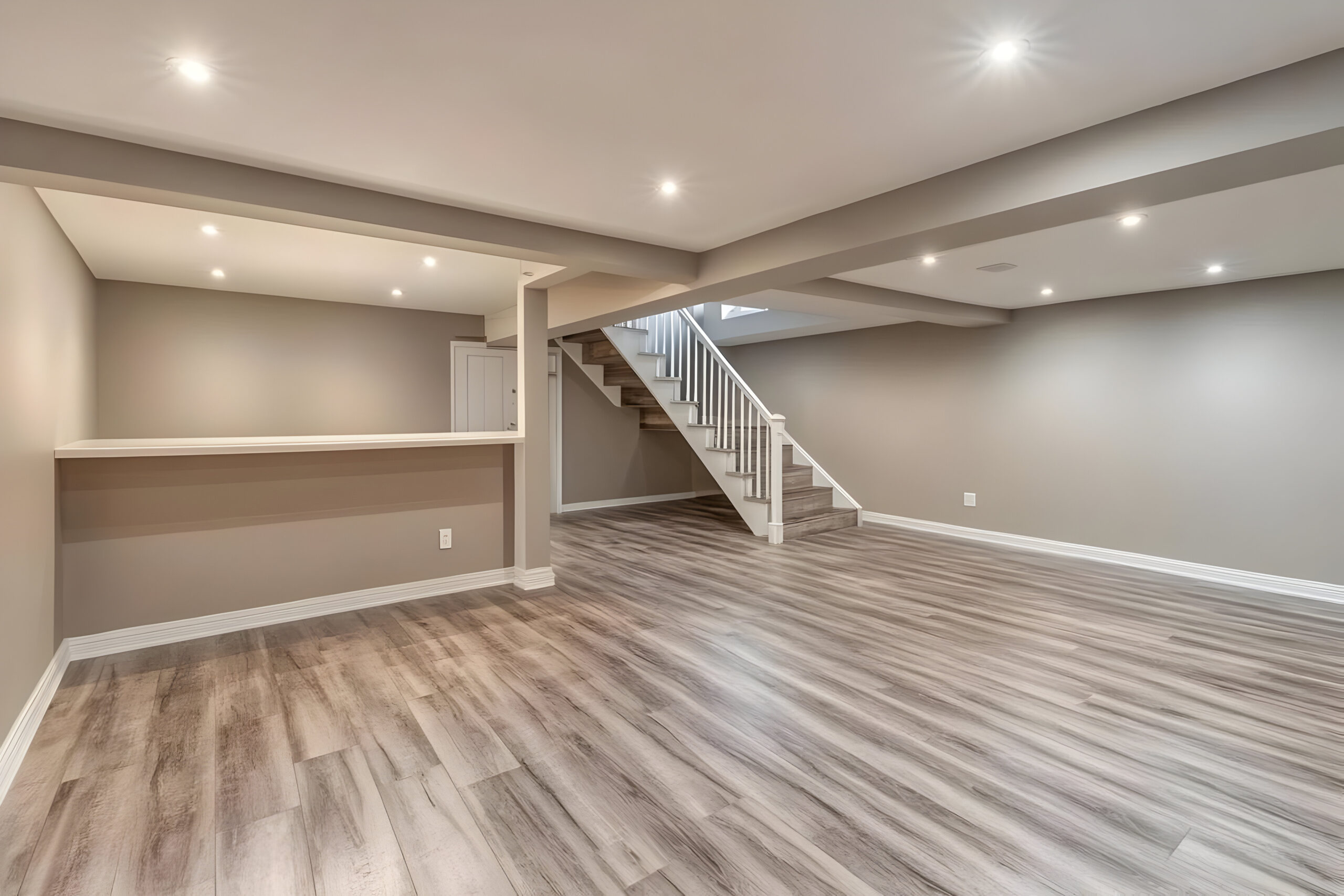
Often an underutilized area, your basement holds immense potential to become a valuable extension of your living space. Far beyond a mere storage area, a finished basement can add significant functionality, comfort, and value to your home. At LA Home Builders, we specialize in transforming neglected basements into vibrant, functional areas that meet your family’s unique needs. Explore these smart ways to reimagine your lower level.
Why remodel your basement?
Investing in a basement remodel offers a multitude of benefits, making it one of the most rewarding home improvement projects.
- Increased Living Space: This is perhaps the most compelling reason. Finishing your basement effectively adds an entire floor of usable square footage to your home without the expense or complexity of a full-scale addition. This extra space can be vital for growing families or evolving lifestyles.
- Significant Return on Investment (ROI): Basement remodels consistently rank high for ROI. Homeowners in the USA can typically expect to recoup 60% to 75% of their investment at resale, making it a financially smart upgrade. In some markets, a well-executed basement remodel can add substantial value, as buyers are increasingly looking for flexible, move-in-ready finished spaces.
- Enhanced Functionality: Transform a damp, dark space into a bright, welcoming area tailored to your specific needs – whether it’s for work, play, relaxation, or accommodating guests.
- Improved Energy Efficiency: A professional basement finishing project involves proper insulation and moisture control, which can lead to better temperature regulation throughout your entire home and potentially lower energy bills.
- Addressing Issues: It’s an opportune time to address any existing moisture problems, foundation concerns, or outdated electrical and plumbing systems, ensuring a healthier and safer living environment.
- Personalization: Create a space that truly reflects your personality and lifestyle, away from the main living areas.
Popular basement design ideas
The possibilities for a finished basement are nearly limitless, adapting to almost any need. Here are some of the most popular transformations:
Home office or gym
With the rise of remote work and a focus on wellness, dedicating a quiet, private space in your basement for a home office or gym has become a top priority for many homeowners.
- Home Office: Basements offer natural sound dampening, creating a focused environment. Consider built-in desks, ample lighting (including task lighting), and clever storage solutions to keep the space organized and productive.
- Home Gym: A basement gym allows for vigorous workouts without disturbing others upstairs. Good ventilation, durable flooring (like rubber mats or specialized gym flooring), and mirrored walls can create an ideal workout zone. Add a small bathroom or sauna for a truly luxurious wellness retreat.
In-law suite or guest bedroom
Providing a comfortable, private living space for extended family or frequent guests is a highly sought-after basement conversion.
- Self-Contained Living: An in-law suite often includes a private bedroom, a full bathroom, and sometimes a small kitchenette or wet bar. This offers independence for residents and can even serve as a potential rental unit (check local zoning laws).
- Egress Requirements: For any basement bedroom, building codes mandate an egress window or an emergency exit (like a walk-out door) to ensure safety. This is a critical consideration for both planning and cost.
Entertainment or media room
Transforming your basement into an ultimate entertainment hub is a fantastic way to maximize fun and relaxation for the whole family.
- Home Theater: With minimal natural light, basements are perfect for cinematic experiences. Features can include tiered seating, a large screen or projector, surround sound systems, and soundproof insulation for an immersive movie night.
- Game Room/Lounge: Add a pool table, foosball, arcade games, or a built-in bar to create a vibrant social space. Comfortable seating, durable flooring, and ample lighting (including accent lighting) complete the party zone.
- Multi-functional Zones: An open-concept basement can easily accommodate different areas. Use area rugs, strategic furniture placement, or partial walls/room dividers (like bookshelves or barn doors) to define distinct zones for lounging, playing, and entertaining without sacrificing flow.
Storage and layout considerations
Even with a beautifully finished space, basements still often serve a crucial storage role. Integrating smart storage and planning an efficient layout are paramount.
- Dedicated Storage Areas: Designate specific, unfinished zones for long-term storage, utility access (furnace, water heater), or seasonal items. Consider building custom shelving, cabinets, or even a separate storage room.
- Built-in Solutions: Maximize space with built-in bookshelves, entertainment centers, or window seats with hidden storage. This keeps the finished areas clutter-free.
- Optimized Layout:
- Define Purpose: Clearly determine the primary function(s) of your basement before designing.
- Work with Existing Structures: Plan around structural poles, HVAC ducts, and plumbing lines to minimize costly re-routing. Boxing in these elements smartly can create architectural features.
- Natural Light Priority: If you have egress windows, position living areas, offices, or bedrooms near them to maximize natural light. Use light-colored walls and finishes to help reflect light throughout the space.
- Flow and Traffic: Ensure a logical flow between zones. High-traffic areas should be unobstructed.
- Ceiling Height: Be mindful of minimum ceiling height requirements (often 7 feet) after finishing. Strategies like exposed ductwork (painted) or tray ceilings can help maximize height.
Finishing touches that add value
The materials and details you choose for your basement finishes significantly impact both aesthetics and long-term value.
- Durable, Moisture-Resistant Flooring: Basements are prone to moisture. Opt for materials like luxury vinyl plank (LVP), ceramic or porcelain tile, or engineered wood (less susceptible to moisture than solid hardwood). Avoid carpet in areas prone to dampness.
- Quality Insulation: Proper insulation (e.g., rigid foam boards, spray foam) is crucial for temperature regulation, soundproofing, and preventing moisture issues.
- Layered Lighting: Combat the typical darkness of basements with a combination of recessed lighting (ambient), wall sconces or pendants (accent), and task lighting (e.g., under-cabinet LEDs for a bar or desk).
- Moisture Control: Beyond insulation, consider vapor barriers, a reliable sump pump, and proper grading outside your home to ensure a dry basement.
- Well-Designed Walls: Use moisture-resistant drywall. Consider accent walls with reclaimed wood, brick veneer, or unique textures to add character.
- Add a Bathroom/Wet Bar: Incorporating plumbing for a new bathroom or wet bar significantly increases functionality and resale value, especially if your basement lacks these amenities.
- Integrated Tech: Pre-wire for smart home technology, surround sound, and robust Wi-Fi to enhance entertainment and convenience.
Tips for planning a successful remodel
A successful basement transformation begins with thorough planning.
- Address Moisture First: Before any finishing work, ensure your basement is completely dry. Address leaks, cracks, or dampness issues with professional waterproofing if necessary. This is non-negotiable.
- Define Your Budget: Get clear on your financial limits. Basement remodels can range from $15,000 for basic finishing to $75,000+ for a full, high-end transformation with a bathroom and kitchenette. Allocate a 10-15% contingency fund for unexpected issues.
- Understand Building Codes & Permits: Most basement remodels require permits for structural, electrical, and plumbing work. Egress windows are mandatory for any bedroom. Your contractor should be well-versed in local regulations and handle the permitting process.
- Prioritize Functionality: While aesthetics are important, prioritize a layout and features that serve your primary needs. How will you use the space most often?
- Seek Professional Expertise: Unless you are an experienced contractor yourself, a basement remodel is not a DIY project. Hire a reputable general contractor like LA Home Builders who specializes in basement finishing. They will ensure proper framing, electrical, plumbing, HVAC, and moisture control, avoiding costly mistakes and ensuring long-term durability and safety.
- Don’t Over-Customize: While personalization is good, avoid overly niche designs that might deter future buyers if resale is a consideration. Flexible, multi-functional spaces tend to have broader appeal.
- Plan for Accessibility: Consider how you will bring furniture and materials into the basement. If existing stairs are narrow, this might influence choices for large items.
A finished basement is a game-changer for any home, offering a wealth of opportunities to expand your living space and enhance your lifestyle. By thoughtfully planning and partnering with experienced professionals, you can unlock the full potential of your lower level. For a smart, seamless, and stunning basement remodel, trust the expertise of LA Home Builders.
Ready to transform your basement into the space of your dreams? Contact LA Home Builders today for a personalized consultation and a detailed estimate for your project!