
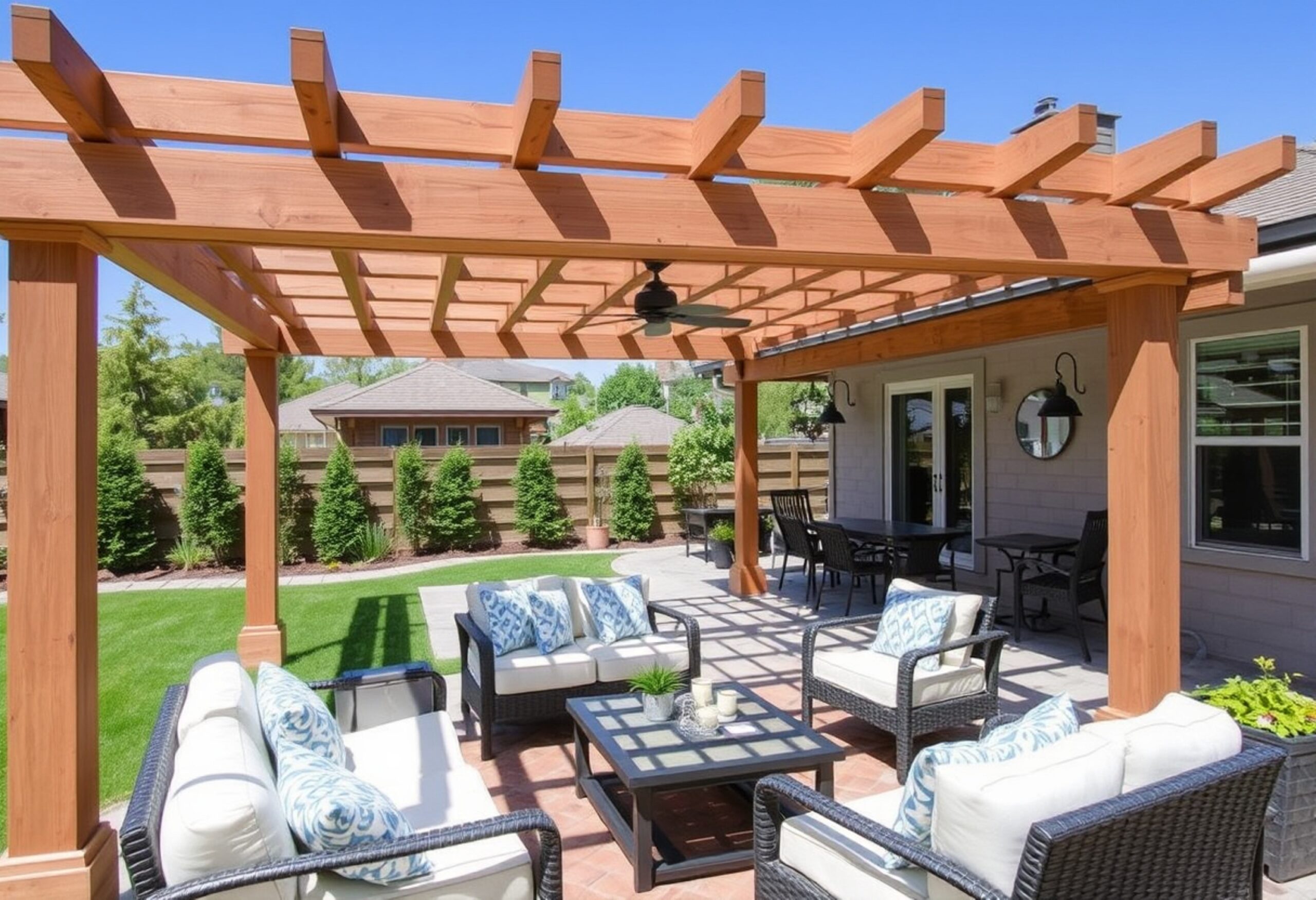
Pergolas are beloved for their ability to define outdoor spaces, add architectural interest, and provide a framework for climbing plants. However, their traditional open-slat tops, while beautiful, don’t always offer sufficient protection from the elements. Adding a roof to your pergola transforms it into a truly functional outdoor room, providing enhanced shade, shelter from rain, and even UV protection. This guide explores various pergola roof ideas, blending style with practicality to elevate your outdoor living experience.
Why add a roof to your pergola?
While the classic open-slat pergola has its charm, integrating a roof offers significant advantages that enhance comfort, usability, and the longevity of your outdoor space:
- Enhanced Sun Protection: Beyond dappled shade, a solid or semi-solid roof provides more comprehensive protection from harsh UV rays, reducing the risk of sunburn and keeping the area cooler during peak sun hours.
- Rain Shelter: A roof transforms your pergola into a usable space even during light rain showers, allowing you to continue enjoying your patio, outdoor dining, or lounging area without interruption.
- Protection for Outdoor Furniture and Fabrics: Shielding your outdoor furniture, cushions, and other decor from direct sun and rain helps prevent fading, weathering, and premature wear, extending their lifespan.
- Increased Comfort: By blocking direct sun and rain, a roof creates a more comfortable microclimate, making your outdoor space more inviting for longer periods throughout the day and year.
- Extended Use of Outdoor Space: With better protection, your pergola becomes a more versatile extension of your home, usable for more hours of the day and across more seasons.
- Defined Outdoor Room: A roof helps to more clearly define the outdoor living area, giving it the feeling of a distinct “room” with greater privacy and enclosure.
- Reduced Glare: A solid roof can significantly reduce uncomfortable glare, making it easier to read, use electronic devices, or simply relax without squinting.
- Aesthetic Enhancement: A well-chosen roof material and design can dramatically elevate the overall look of your pergola and integrate it seamlessly with your home’s architecture.
Popular pergola roof materials
The material you choose for your pergola roof will dictate its aesthetic, functionality, and required maintenance.
Polycarbonate panels
- Description: These are lightweight, rigid thermoplastic sheets available in clear, opaque, or tinted options. They are extremely durable and allow light to pass through.
- Pros:
- Light Transmission: Clear or translucent panels allow natural light to filter through, keeping the area bright while blocking harmful UV rays (many are UV-treated).
- Lightweight: Easy to install and doesn’t require heavy structural support.
- Durable: Highly impact-resistant, often more so than glass, making them resistant to hail and falling debris.
- Weatherproof: Provides full rain protection.
- Versatile: Available in various tints (e.g., bronze, gray) to control heat and glare.
- Cons:
- Can scratch more easily than glass.
- Clear panels can create a “greenhouse effect” if not tinted or combined with other shade solutions.
- May make noise during heavy rain.
- Best For: Pergolas where maintaining natural light is important, such as over outdoor kitchens or dining areas, or for those seeking a modern, minimalist look.
Fabric canopies
- Description: Canopies made from weather-resistant outdoor fabrics like acrylic, polyester, or mesh. They can be fixed, tensioned, or designed to slide open and close.
- Pros:
- Versatile Shade: Offers varying degrees of shade depending on the fabric’s weave and color.
- Aesthetics: Adds a soft, inviting, and often resort-like feel to the pergola. Available in countless colors and patterns.
- Retractability (for some types): Many fabric systems are designed to be retractable, offering flexible sun or shade control.
- Lightweight and Easy to Install: Simple to attach to existing pergola frames.
- Cost-Effective: Often a more budget-friendly option initially.
- Cons:
- Durability: Susceptible to tearing, fading, and mildew over time. May need replacement every few years depending on quality and climate.
- Rain Protection: Some fabrics are only water-resistant, not fully waterproof, leading to dripping. Requires proper tension and slope for drainage.
- Maintenance: May need regular cleaning to prevent mildew and dirt buildup. Must often be removed and stored during winter or high winds.
- Best For: Creating a relaxed, resort-like atmosphere, for those who desire flexible shade options, or for an economical solution.
Metal roofing
- Description: Options include corrugated metal panels (steel, aluminum), standing seam metal, or custom-cut metal sheets.
- Pros:
- Extreme Durability: Long-lasting, resistant to rot, insects, fire, and highly resilient to severe weather.
- Full Weather Protection: Provides complete shade and excellent rain/snow protection.
- Modern Aesthetic: Corrugated or standing seam metal can create a contemporary or industrial-chic look.
- Low Maintenance: Requires very little upkeep once installed.
- Recyclable: Environmentally friendly choice.
- Cons:
- Heat Absorption: Darker metals can absorb and radiate heat, potentially making the area hotter unless there’s an air gap or insulation. Lighter colors help mitigate this.
- Noise: Can be noisy during rain or hail.
- Weight: Heavier than polycarbonate or fabric, requiring a robust pergola structure.
- Initial Cost: Can be more expensive than other options.
- Best For: Pergolas requiring maximum durability and protection, those with a modern or industrial design, or in climates with heavy rain/snow.
Fixed vs Retractable roofs
The choice between a fixed or retractable roof depends on your desired flexibility and climate.
- Fixed Roofs:
- Description: Permanently installed roofs using materials like polycarbonate panels, metal, or solid wood.
- Pros: Maximum protection from sun and rain, minimal ongoing effort (no opening/closing), generally lower initial cost for material and installation compared to complex retractable systems. More robust for high winds/snow.
- Cons: Less flexibility; once installed, the amount of sun or shade cannot be adjusted. Can make the area feel darker if solid and opaque.
- Best For: Areas needing consistent, reliable protection, or where a permanent structure is preferred for architectural integration.
- Retractable Roofs:
- Description: Systems that allow the roof to be opened or closed, typically using fabric canopies, louvered pergolas, or sliding panels. Can be manual or motorized.
- Pros: Ultimate flexibility for sun/shade control, allows you to enjoy open sky when desired, can be retracted during storms or winter to protect the material.
- Cons: Higher initial cost for the mechanism, more moving parts mean potential for mechanical issues, requires manual effort (for non-motorized), fabric may need to be stored during off-season. Some systems may not be fully waterproof when closed.
- Best For: Homeowners who want dynamic control over their outdoor environment, enjoy sunbathing but also need shade, or live in climates where seasonal changes necessitate roof adjustments.
Weather-resistant roof ideas
Beyond material choice, specific design elements contribute to a roof’s weather resistance.
- Slope for Drainage: Regardless of material, a slight slope (pitch) is essential for water to run off the roof efficiently and prevent pooling, which can lead to leaks and structural stress.
- Proper Flashing and Sealing: Where the pergola roof meets the house (if attached), or at any seams in the roofing material, meticulous flashing and sealing (using high-quality sealants and waterproof tapes) are critical to prevent water intrusion.
- Gutter System: For complete rain management, consider adding gutters and downspouts to your pergola roof. This directs rainwater away from the patio area, furniture, and foundation.
- Material Overhangs: Ensure the roofing material extends slightly beyond the pergola frame to prevent rain from dripping directly onto the structure or seating area.
- Ventilation: For solid roofs, especially metal or dark polycarbonate, consider incorporating vents or leaving small gaps at the ridge (covered by a ridge cap) to allow hot air to escape, preventing excessive heat buildup underneath.
- UV Treatment: Ensure polycarbonate panels or fabric canopies are specifically treated for UV resistance to prevent degradation and fading from sun exposure.
Design tips to match your home exterior
Integrating your pergola roof seamlessly with your home’s existing architecture enhances curb appeal and creates a cohesive outdoor living space.
- Match Materials:
- Roofing Material: If your home has a metal roof, consider a matching or complementary metal for the pergola. For homes with traditional shingle roofs, a standing seam metal pergola roof can still offer a nice contrast.
- Pergola Frame: Ensure the pergola’s structural material (wood, vinyl, aluminum) complements your home’s exterior finishes (e.g., painted wood pergola for a traditional home, dark aluminum for a modern home).
- Color Harmony:
- Complement Existing Colors: Choose a roof color that harmonizes with your home’s roof, trim, and siding colors. Neutrals are always a safe bet, but consider complementary accent colors.
- Consider Heat Absorption: Lighter colors for metal or polycarbonate roofs will reflect more sunlight and keep the space cooler, a practical consideration in warm climates.
- Architectural Style:
- Traditional Homes (Colonial, Craftsman, Farmhouse): Fabric canopies (especially in classic stripes or solids), natural wood slats, or perhaps a more subtle, dark-colored metal roof can work. Avoid overly modern materials like clear polycarbonate if it clashes with the home’s period.
- Modern/Contemporary Homes: Clear or tinted polycarbonate, standing seam metal, or sleek retractable fabric systems in minimalist designs will best suit these styles.
- Mediterranean/Tuscan Homes: Open pergolas with climbing vines or perhaps terra cotta-colored fabric canopies can enhance the aesthetic.
- Scale and Proportion: Ensure the roof material doesn’t overpower the pergola’s frame or the overall scale of your home. A heavy-looking roof on a delicate pergola frame can look disproportionate.
- Lighting Integration: Plan for integrated lighting (recessed lights in a solid roof, string lights draped over slats) to extend the usability of your shaded pergola into the evening.
- Seamless Attachment (if attached): If the pergola is attached to the house, ensure the roofline connection is clean, properly flashed, and visually integrated. Consider matching the fascia or trim details of the house.
By thoughtfully selecting the roof material and design, your pergola can become a true extension of your living space, offering both stylish aesthetics and enhanced functionality for years of outdoor enjoyment.