


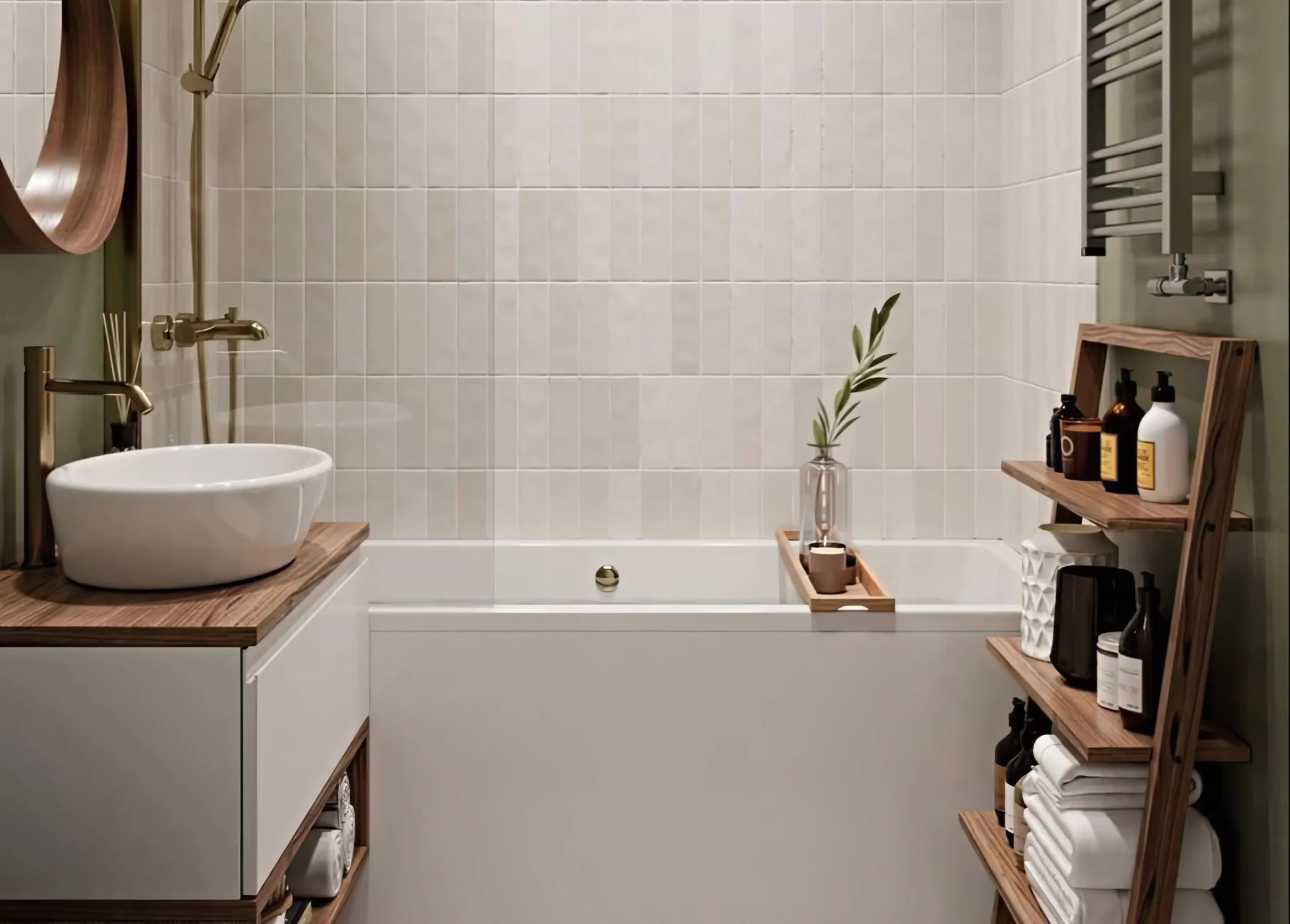
Replacing an old, worn-out bathtub can dramatically refresh the look and feel of your bathroom. Whether you’re aiming for a minor update or a complete transformation, a new bathtub can enhance both the aesthetics and functionality of your space, turning it into a more inviting and relaxing oasis. This guide will explore various bathtub replacement ideas, helping you choose the perfect option for your bathroom’s style, your budget, and your lifestyle.
Types of bathtubs to consider
Beyond just aesthetics, the material and design of a bathtub significantly impact its durability, heat retention, and cost.
- Acrylic:
- Description: A popular and versatile material made from sheets of acrylic plastic reinforced with fiberglass.
- Pros: Lightweight, relatively inexpensive, warm to the touch, available in many shapes and colors, good heat retention, easy to clean, and resistant to chipping and cracking. Minor scratches can often be buffed out.
- Cons: Can scratch more easily than cast iron, may feel less substantial than heavier materials.
- Best For: Most standard bathroom remodels, budget-conscious projects, and those seeking a wide range of design options.
- Fiberglass (Fiber-Reinforced Plastic – FRP):
- Description: A composite material made from polyester resins reinforced with fiberglass. Often a more economical option than acrylic.
- Pros: Very lightweight, inexpensive, easy to install.
- Cons: Less durable than acrylic, more prone to scratching, fading, and cracking over time. Can feel flimsy and may not retain heat as well.
- Best For: Budget-driven projects or temporary solutions, but generally not recommended for long-term durability.
- Cast Iron:
- Description: A classic, heavy-duty material made by pouring molten iron into a mold, then coating it with a thick layer of enamel.
- Pros: Extremely durable, excellent heat retention (keeps bath water hot longer), highly resistant to chipping, scratching, and denting, luxurious feel, long lifespan.
- Cons: Very heavy (may require floor reinforcement), expensive, limited color options, can be cold to the touch initially.
- Best For: High-end remodels, traditional bathrooms, and those prioritizing durability and heat retention.
- Cultured Marble:
- Description: An engineered stone product made from marble dust, polyester resin, and pigments, cast into molds.
- Pros: Seamless look (can include integrated surrounds), wide range of colors and patterns, non-porous (easy to clean), durable.
- Cons: Can be expensive, susceptible to scratching and dulling over time, not as heat-resistant as natural stone.
- Best For: Achieving a custom, seamless look, often integrated with shower surrounds.
- Solid Surface:
- Description: A blend of acrylic or polyester resins, minerals, and pigments, creating a non-porous, homogeneous material.
- Pros: Seamless appearance, non-porous (highly hygienic, stain-resistant), repairable (scratches can be sanded out), warm to the touch, available in many colors.
- Cons: Can be expensive, not as heat-resistant as natural stone, can scratch.
- Best For: Modern, minimalist designs where a seamless, integrated look is desired.
Freestanding vs. Alcove vs. Drop-in styles
The style of your new bathtub will largely depend on your bathroom’s layout and available space.
- Alcove Bathtubs:
- Description: The most common type, designed to fit into a three-wall recess. They typically have an unfinished side that faces out, which is then covered by an apron or integrated into a tiled front.
- Pros: Space-efficient, cost-effective, ideal for shower/tub combinations, easy to install in existing bathroom layouts.
- Cons: Less visually dramatic than freestanding tubs, limited design flexibility.
- Best For: Smaller bathrooms, guest bathrooms, and primary bathrooms where a shower/tub combo is desired.
- Freestanding Bathtubs:
- Description: A standalone tub that is finished on all sides and can be placed anywhere in the bathroom, not against a wall. Includes clawfoot, pedestal, and modern sculptural designs.
- Pros: Creates a luxurious focal point, highly aesthetic, available in a wide range of shapes and materials, offers a spa-like feel.
- Cons: Requires more floor space, often more expensive, plumbing may need to be run to the floor, not ideal for shower combinations (unless a shower curtain ring is installed above).
- Best For: Larger bathrooms, master bathrooms, and those prioritizing a high-end, statement piece.
- Drop-In Bathtubs:
- Description: An unfinished tub shell that is “dropped into” a custom-built frame or deck (often tiled or clad with stone/wood).
- Pros: Allows for custom deck designs, creates a built-in look, can accommodate various sizes and shapes, good for integrating with surrounding countertops.
- Cons: Requires custom framing/decking, can be more expensive due to additional labor and materials for the surround, takes up more floor space than an alcove tub.
- Best For: Larger bathrooms, custom designs, and those wanting a built-in, luxurious appearance.
- Undermount Bathtubs:
- Description: Similar to drop-in, but the rim of the tub is installed under the surrounding deck material, creating a seamless edge.
- Pros: Very sleek and modern look, easy to clean the surrounding deck, emphasizes the material of the deck.
- Cons: Requires precise cutting of the deck material, often more expensive due to specialized installation, takes up significant floor space.
- Best For: Contemporary, high-end bathrooms with a minimalist aesthetic.
- Walk-In Bathtubs:
- Description: Designed for accessibility, these tubs feature a watertight door that allows users to step in without lifting their legs over a high rim.
- Pros: Enhanced safety and accessibility for seniors or those with mobility issues, often include hydrotherapy jets.
- Cons: Can be expensive, requires waiting for the tub to fill and drain while seated inside, limited aesthetic options.
- Best For: Homes needing accessible bathing solutions.
Replacing a tub with a walk-in shower
For many homeowners, especially in master bathrooms, replacing a bathtub with a spacious walk-in shower is a popular and functional upgrade.
- Pros of a Walk-In Shower:
- Modern Aesthetic: Creates a sleek, contemporary, and open feel in the bathroom.
- Increased Space (Perceived and Actual): Eliminating the tub can make a bathroom feel significantly larger.
- Accessibility: Curbless or low-curb showers offer excellent accessibility, future-proofing the bathroom.
- Enhanced Functionality: Can accommodate multiple showerheads, body sprays, benches, and niches for a luxurious showering experience.
- Resale Value: A well-designed walk-in shower, especially in a master bathroom, is highly desirable to many homebuyers.
- Considerations:
- Plumbing: Converting from a tub to a shower may require adjusting drain lines (a shower drain is typically smaller and in a different location than a tub drain).
- Waterproofing: Proper waterproofing of the shower pan and walls is absolutely critical to prevent leaks and mold. This is a job for experienced professionals.
- Ventilation: Ensure adequate ventilation to manage steam and humidity, especially with larger showers.
- Resale Impact: While popular, removing the only bathtub in a home can deter some buyers (e.g., families with young children). If it’s the only tub, consider if it’s the right choice for your market.
- Cost: A custom walk-in shower can be more expensive than a basic tub replacement due to extensive tiling, waterproofing, and custom glass enclosures.
Budget-friendly vs. Luxury upgrades
Bathtub replacement costs can vary dramatically based on materials, style, and labor.
- Budget-Friendly Options (Typically $1,000 – $4,000 installed):
- Materials: Fiberglass or basic acrylic alcove tubs.
- Scope: Direct replacement of an existing alcove tub with minimal plumbing changes. Keeping existing tile surrounds or opting for cost-effective options like prefabricated fiberglass/acrylic surrounds or basic ceramic tile.
- DIY Potential: Some parts of the demolition and basic installation can be DIY, but professional plumbing is often required.
- Mid-Range Upgrades (Typically $4,000 – $10,000 installed):
- Materials: Higher-quality acrylic or enameled steel alcove tubs, some entry-level freestanding acrylic tubs.
- Scope: Replacement with updated fixtures, new mid-range ceramic or porcelain tile surrounds, minor plumbing adjustments.
- Professional Help: Often involves a mix of professional and potential DIY work.
- Luxury Upgrades (Typically $10,000 – $25,000+ installed):
- Materials: Cast iron, solid surface, or high-end acrylic/stone resin freestanding tubs. Custom-tiled surrounds with premium natural stone (marble, quartz) or large-format porcelain.
- Scope: Significant plumbing relocation, custom deck or platform for drop-in tubs, high-end fixtures, potentially floor reinforcement for heavy tubs. Converting to a walk-in shower with custom features.
- Professional Help: Almost always requires professional design, plumbing, and installation due to complexity and material costs.
Contingency Fund: Always allocate an additional 10-20% of your budget for unexpected issues, such as discovering water damage behind the old tub or unforeseen plumbing challenges.
When to replace and what to expect during installation
Knowing when to replace your tub and what the installation process entails can help you prepare.
- When to Replace:
- Damage: Cracks, chips, deep scratches, or significant staining that cannot be repaired.
- Leaks: Persistent leaks around the tub or drain that indicate a compromised tub or poor seal.
- Mold/Mildew: Chronic mold growth that suggests moisture issues or poor ventilation around the tub.
- Outdated Appearance: If the tub’s color or style no longer fits your aesthetic goals.
- Accessibility Needs: When mobility changes require a safer bathing solution (e.g., walk-in tub or shower).
- Part of a Larger Remodel: Often replaced as part of a full bathroom renovation.
- What to Expect During Installation (Typical Alcove Tub Replacement):
- Demolition: The old tub, surrounding tile, and potentially part of the wall (drywall/backboard) will be removed. This can be messy and noisy.
- Rough-In Plumbing: The plumber will inspect and potentially adjust the drain and water supply lines to fit the new tub. This is also an opportunity to replace old valves or add new features.
- Subfloor/Framing Inspection: The subfloor and wall studs behind the tub will be inspected for water damage or rot. Any necessary repairs must be made at this stage.
- Tub Installation: The new tub is carefully set into place, leveled, and secured to the wall studs. The drain assembly is connected.
- Backer Board/Waterproofing: Cement board or a similar waterproof backer board is installed on the walls around the tub, followed by a liquid waterproofing membrane or shower pan liner for shower areas.
- Tile Installation (if applicable): New tile is installed on the walls around the tub.
- Grouting and Sealing: Grout is applied to the tile, and once dry, the grout and any natural stone are sealed. Silicone caulk is applied at the joint between the tub and the tile/surround for a watertight seal.
- Fixture Installation: The new faucet, showerhead, and drain cover are installed.
- Finishing Touches: Any necessary drywall repairs, painting, and trim installation complete the project.
The duration of a bathtub replacement can range from a few days for a simple swap to several weeks for a full conversion to a custom walk-in shower. Proper planning and professional execution are key to a successful outcome.
Ready to give your bathroom a fresh look with a new bathtub? LA Home Builders specializes in comprehensive bathroom remodels, from simple tub replacements to luxurious shower conversions. Our expert team ensures quality craftsmanship and a smooth installation process. Contact us today for a free consultation and let’s transform your bathroom!