


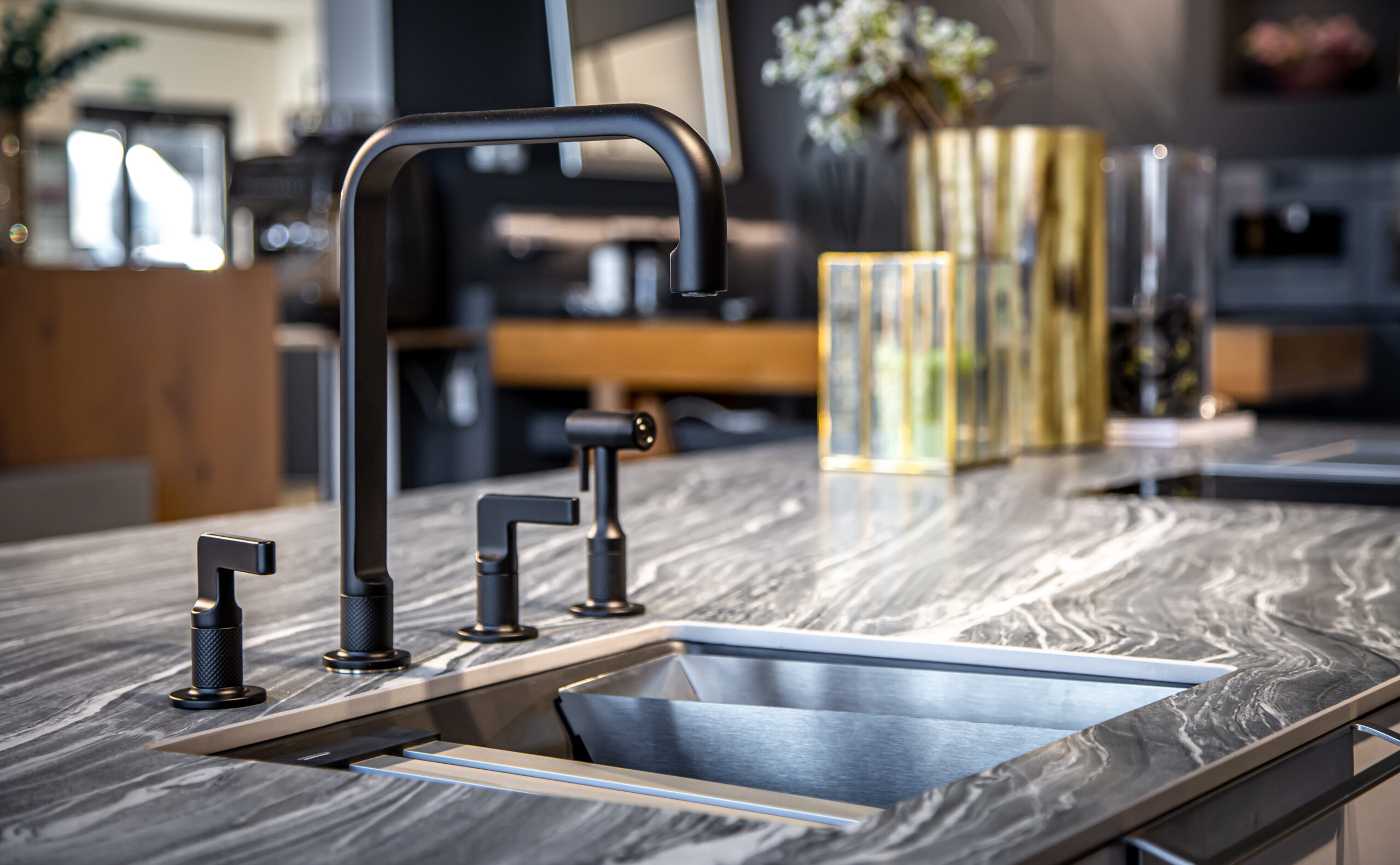
Integrated kitchen sinks represent the pinnacle of modern kitchen design, offering a sleek, seamless, and highly functional aesthetic. Unlike traditional drop-in or undermount sinks, an integrated sink is crafted from the same material as the countertop, creating a continuous surface that is both visually striking and incredibly practical. This guide will delve into what makes integrated sinks a popular choice, their advantages and disadvantages, suitable materials, and essential maintenance tips.
What is an integrated sink?
An integrated kitchen sink, also known as a seamless sink or a molded sink, is a type of sink that is fabricated directly into the countertop material. This means there are no visible seams, lips, or edges where the sink meets the countertop, creating a continuous and uninterrupted surface.
The key characteristic of an integrated sink is its seamless transition from the countertop into the basin. This is achieved by using the same material for both the counter and the sink, which are then bonded or molded together during the fabrication process.
This design philosophy prioritizes a minimalist aesthetic and ease of cleaning, as there are no crevices for dirt, grime, or food particles to accumulate.
Pros and cons of seamless sink design
The seamless design of integrated sinks offers distinct advantages and some considerations for homeowners.
Pros:
- Sleek, Modern Aesthetic: The primary appeal of integrated sinks is their clean, contemporary look. The uninterrupted flow from countertop to sink creates a sophisticated and high-end appearance that is a hallmark of modern kitchen design.
- Superior Hygiene and Easy Cleaning: Without seams or lips, there are no gaps or crevices for food debris, mold, or mildew to accumulate. This makes integrated sinks incredibly hygienic and exceptionally easy to wipe clean, contributing to a healthier kitchen environment.
- Durability and Longevity: When made from durable materials like quartz or solid surface, integrated sinks are highly resistant to impacts, scratches, and stains, ensuring a long lifespan.
- Customization: Because they are often custom-fabricated, integrated sinks offer flexibility in terms of size, shape, and basin configuration (single, double, or even triple basins).
- Increased Counter Space (Visual): By eliminating the visual break of a sink rim, the countertop appears larger and more expansive.
- Enhanced Resale Value: The modern and high-end appeal of integrated sinks can be a significant selling point, potentially increasing your home’s resale value.
Cons:
- Higher Cost: Integrated sinks are generally more expensive than traditional drop-in or undermount sinks due to the specialized fabrication process, the cost of the material, and the skilled labor required.
- Installation Complexity: Installation is not a DIY project. It requires professional fabrication and installation by specialists experienced with the chosen material.
- Repair Challenges: While durable, if an integrated sink is severely damaged (e.g., a large crack or chip), repair can be more complex and costly than simply replacing a standalone sink. In some cases, the entire countertop might need to be replaced.
- Heat Sensitivity (for some materials): Materials like solid surface, while durable, can be susceptible to damage from extreme heat. Placing very hot pots directly into the sink or on the surrounding counter can cause scorching or discoloration.
- Limited Material Options: Integrated sinks are primarily available in solid surface, quartz, and some specialized stainless steel applications, limiting choices compared to the wide array of materials available for traditional sinks.
Best materials: Quartz, solid surface, stainless
The material choice for an integrated sink is crucial, as it dictates durability, appearance, and performance.
- Quartz (Engineered Stone):
- Description: An engineered material made from ground quartz crystals (90-95%) combined with resins, polymers, and pigments.
- Pros: Extremely hard and durable, highly resistant to scratches, chips, and stains. Non-porous, making it very hygienic and easy to clean. Offers a wide range of colors and patterns, including convincing marble and concrete looks. Excellent for a seamless aesthetic.
- Cons: Can be more expensive. While heat-resistant, extreme heat can potentially damage the resin binders.
- Best For: Homeowners seeking a highly durable, low-maintenance, and aesthetically versatile integrated sink that can mimic natural stone.
- Solid Surface (e.g., Corian, LG HI-MACS):
- Description: A non-porous, homogeneous material composed of acrylic or polyester resins and natural minerals.
- Pros: The quintessential material for integrated sinks due to its ability to be seamlessly thermoformed and bonded. Highly hygienic, non-porous, and easy to clean. Scratches and minor damage can often be sanded out and repaired. Warm to the touch.
- Cons: Not as hard as quartz, so it can scratch more easily. Less heat-resistant than quartz or stainless steel; hot pots can cause scorching. Can be expensive.
- Best For: Achieving the most truly seamless look, especially for custom shapes and designs, and for those who prioritize repairability.
- Stainless Steel (Integrated/Welded):
- Description: While most stainless steel sinks are undermount or drop-in, it’s possible to achieve an integrated look by custom-fabricating a stainless steel countertop with a welded sink.
- Pros: Extremely durable, heat-resistant, hygienic, and easy to clean. Offers a sleek, industrial, or professional kitchen aesthetic.
- Cons: Can show water spots and fingerprints. Can be noisy. Custom welding is a highly specialized and expensive process.
- Best For: Commercial-style kitchens, industrial designs, or those prioritizing ultimate durability and heat resistance in a metal finish.
Cleaning and maintenance tips
Maintaining an integrated sink is generally straightforward due to its seamless and non-porous nature, but specific care depends on the material.
- General Tips (Applies to Quartz and Solid Surface):
- Daily Cleaning: Wipe down with a soft cloth, warm water, and a mild dish soap.
- Avoid Abrasives: Do not use abrasive cleaners, scouring pads, or harsh chemicals (e.g., oven cleaner, drain cleaner, strong acids/alkalines) as these can damage the surface or dull the finish.
- Heat Protection: Always use trivets or hot pads under hot pots, pans, and slow cookers, especially for solid surface sinks. While quartz is more heat-resistant, it’s still good practice.
- Prevent Stains: Although highly stain-resistant, wipe up spills like wine, coffee, or highly pigmented foods promptly to prevent any potential discoloration over time.
- Avoid Strong Solvents: Keep nail polish remover, paint thinners, and other strong solvents away from the surface.
- Specific to Stainless Steel:
- Daily Cleaning: Use a mild dish soap and water. Wipe dry with a soft cloth to prevent water spots.
- Avoid Scratching: Use non-abrasive cloths or sponges. Avoid steel wool.
- Specialized Cleaners: For stubborn spots or to maintain shine, use a stainless steel cleaner and polish, wiping in the direction of the grain.
The non-porous nature of integrated sinks means they do not require sealing, unlike some natural stone countertops or sinks.
Design compatibility with countertops
The beauty of an integrated sink lies in its seamless compatibility with its matching countertop material.
- Quartz Countertops with Quartz Sinks: This is a very popular combination. The sink is molded or seamlessly bonded to the quartz countertop, creating a continuous, elegant look. This works with all quartz patterns, from solid whites to intricate marble veining, ensuring perfect color and pattern match.
- Solid Surface Countertops with Solid Surface Sinks: Solid surface materials are uniquely suited for integrated sinks. The material can be thermoformed and bonded to create virtually invisible seams, allowing for intricate designs and custom shapes that flow directly from the counter into the basin. This provides the most truly seamless appearance.
- Stainless Steel Countertops with Welded Stainless Sinks: For a professional or industrial kitchen, a custom stainless steel countertop with a sink welded directly into it creates a robust and entirely seamless metal surface. This is a highly durable and hygienic option.
General Design Principles:
- Monochromatic Flow: The seamless design enhances a monochromatic color scheme, making the kitchen feel larger and more cohesive.
- Visual Simplicity: Integrated sinks contribute to a minimalist aesthetic, reducing visual clutter on the countertop.
- Modern and Contemporary Kitchens: This sink style is a natural fit for modern, contemporary, and minimalist kitchen designs, where clean lines and uninterrupted surfaces are highly valued.
- Transitional Styles: While often associated with modern, integrated sinks can also work in transitional kitchens, especially when paired with quartz that mimics natural stone, blending classic elements with contemporary functionality.
Integrated kitchen sinks offer a sophisticated, hygienic, and durable solution for modern kitchens. While they represent a higher investment and require professional installation, their seamless beauty and ease of maintenance can significantly elevate your kitchen’s design and functionality.
Considering an integrated sink for your kitchen remodel? LA Home Builders specializes in crafting custom kitchens with seamless, modern designs, including expert installation of integrated sinks. Our team will help you choose the perfect materials and ensure a flawless finish. Contact us today for a free consultation and let’s design the kitchen of your dreams!