

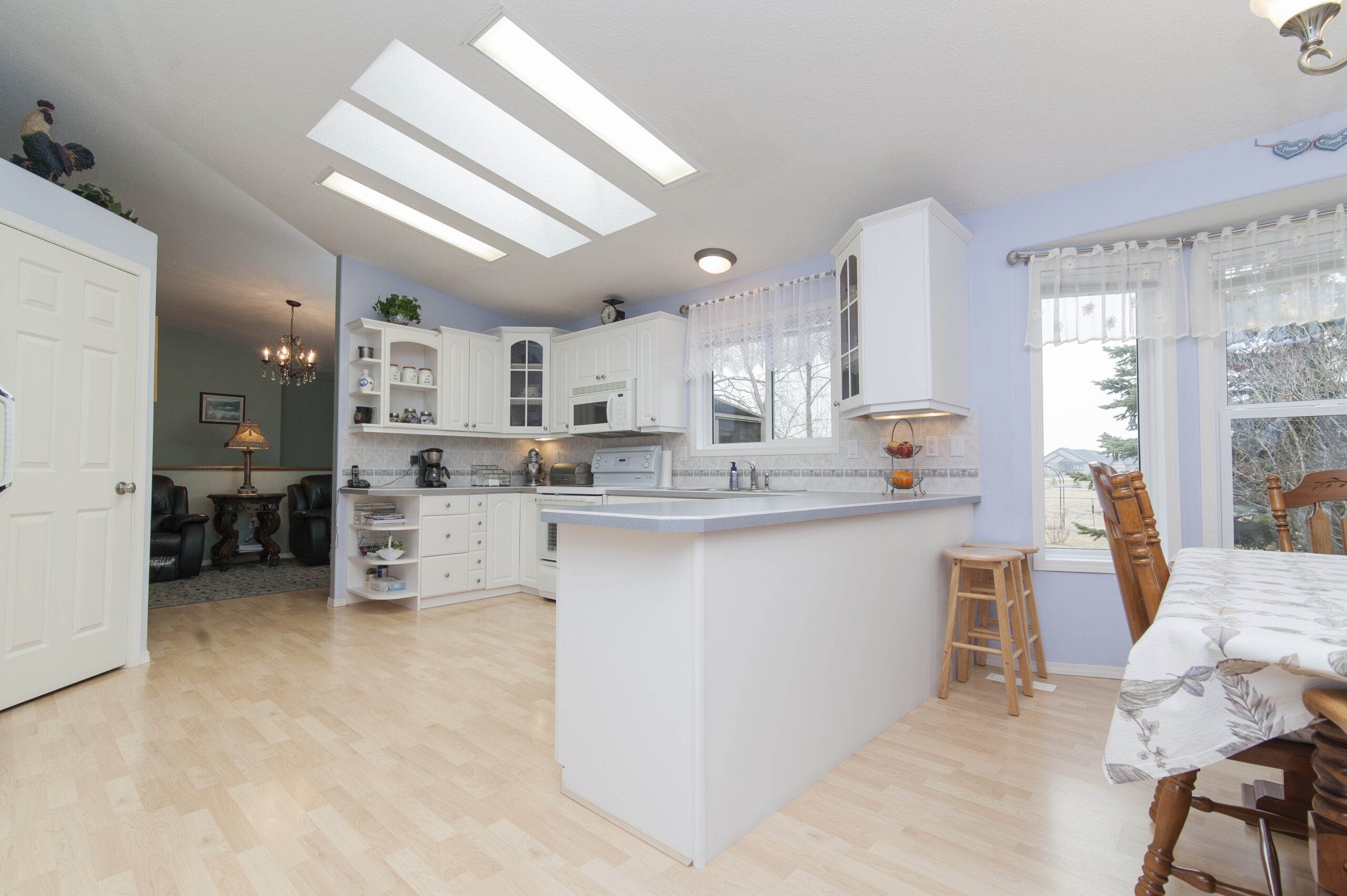
The traditional kitchen stands as a beloved classic, offering a sense of warmth, elegance, and timeless appeal. It’s a style that evokes comfort and familiarity, drawing inspiration from historical designs and craftsmanship. For homeowners in Los Angeles seeking a kitchen that feels both refined and welcoming, understanding the core characteristics of a traditional kitchen is essential.
Definition: formal yet comfortable, detail-oriented
A traditional kitchen is defined by its ability to blend formal elements with a comfortable, inviting atmosphere. It prioritizes intricate details, rich materials, and classic architectural features over stark minimalism. Unlike modern or contemporary styles, traditional kitchens often celebrate decorative accents, classic symmetry, and a sense of enduring quality. The goal is to create a space that feels established, elegant, and conducive to gathering.
Classic materials: wood cabinetry, stone countertops, crown molding
The material palette in a traditional kitchen is foundational to its character:
- Wood Cabinetry: This is arguably the most defining material. Expect rich, natural wood tones (cherry, maple, oak, walnut) or painted finishes (cream, white, soft grey, sage green). Cabinets are often solid wood or high-quality wood veneer.
- Stone Countertops: Granite, marble, and soapstone are quintessential choices. Their natural patterns, durability, and classic appeal perfectly complement the traditional aesthetic. Quartz can also be used, especially if it mimics natural stone.
- Crown Molding & Trim: Elaborate crown molding, decorative trim, and ornate baseboards are common. These architectural details add depth, formality, and a sense of craftsmanship to the space.
- Hardwood Flooring: Warm-toned hardwood floors are frequently used, providing a classic, inviting base for the kitchen. Stone or large-format ceramic tiles with a natural look are also appropriate.
Signature elements: raised panels, corbels, ornamental details
Beyond materials, specific design elements reinforce the traditional style:
- Raised-Panel Cabinet Doors: This is the most iconic door style, featuring a central panel that is slightly raised above the surrounding frame. Other common styles include recessed panel (Shaker with a traditional twist), arched, or cathedral-style doors.
- Corbels & Pilasters: Decorative corbels are often found supporting islands, range hoods, or open shelving. Pilasters (flat, rectangular columns) can flank ovens or pantries, adding architectural gravitas.
- Ornamental Details: Expect turned legs on islands, decorative cabinet hardware (knobs and pulls, often in bronze, brass, or pewter finishes), intricate range hood designs, and decorative furniture-style toe kicks on cabinetry.
- Built-in Appliances: Appliances are often integrated or panel-ready to blend seamlessly with the cabinetry, maintaining a cohesive look.
- Apron-Front (Farmhouse) Sinks: While popular in farmhouse styles, these deep, exposed-front sinks also fit well within many traditional designs, especially those leaning towards a country aesthetic.
Color palettes and lighting choices
- Color Palettes: Traditional kitchens lean towards warm and inviting color palettes.
- Neutrals: Cream, off-white, beige, and soft greys are popular for cabinetry and walls, providing a timeless backdrop.
- Earth Tones: Rich browns, deep greens, and warm reds can be used for accents or even full cabinetry in certain traditional sub-styles.
- Soft Pastels: In French or English country variations, muted blues, pale yellows, and sage greens create a softer, more romantic feel.
- Lighting Choices: Lighting is often layered and designed to enhance the traditional feel.
- Chandeliers: Elegant chandeliers are common over islands or dining areas within the kitchen.
- Pendant Lights: Often chosen with classic finishes (bronze, brass) and traditional glass shades.
- Sconces: Used for task lighting or ambient light around windows or along walls.
- Under-Cabinet Lighting: Essential for task lighting, often discreetly hidden to maintain the aesthetic.
Balancing tradition with modern function
A successful traditional kitchen in a modern Los Angeles home must seamlessly integrate contemporary functionality. This means:
- Smart Storage Solutions: While the exterior looks classic, the interior can feature pull-out shelves, lazy Susans, pantry organizers, and custom drawer inserts.
- Integrated Appliances: Modern dishwashers, refrigerators, and microwaves can be concealed behind custom panels that match the cabinetry.
- Efficient Layouts: Incorporating modern kitchen triangle principles for optimal workflow, even in a traditional design.
- Technology Integration: Charging stations, hidden outlets, and smart home technology can be discreetly incorporated.
Examples: English country, French country, American traditional mixtures
The broad umbrella of “traditional” encompasses several charming sub-styles:
- English Country: Features a more rustic, cozy feel with natural woods, open shelving, plate racks, and often softer, muted color palettes.
- French Country: Embraces elegance with a rustic touch, incorporating carved details, wrought iron, warm color schemes, and often a distressed or antique finish on cabinets.
- American Traditional: A broad category that can range from formal Colonial styles with dark woods and rich details to more relaxed Craftsman or Shaker-inspired designs with simpler lines but still classic elements.
Tips for designing your traditional kitchen
- Prioritize Quality Materials: Invest in solid wood cabinetry and natural stone countertops for authenticity and longevity.
- Embrace Architectural Details: Don’t shy away from crown molding, corbels, and decorative legs. These are key to the style.
- Choose Classic Hardware: Opt for hardware finishes like oil-rubbed bronze, antique brass, or pewter that complement the traditional look.
- Layer Lighting: Combine ambient, task, and accent lighting to create a warm and functional space.
- Consider a Statement Piece: A beautiful range hood, an ornate island, or a classic chandelier can serve as a focal point.
- Seek Professional Guidance: Work with a designer and builder experienced in traditional aesthetics to ensure a cohesive and well-executed design.
LA Home Builders specializes in crafting bespoke kitchens that reflect individual styles and needs. Whether you envision a grand, formal traditional kitchen or a cozy, rustic country design for your Los Angeles home, our team combines timeless aesthetics with modern functionality to create spaces that are both beautiful and highly livable.