


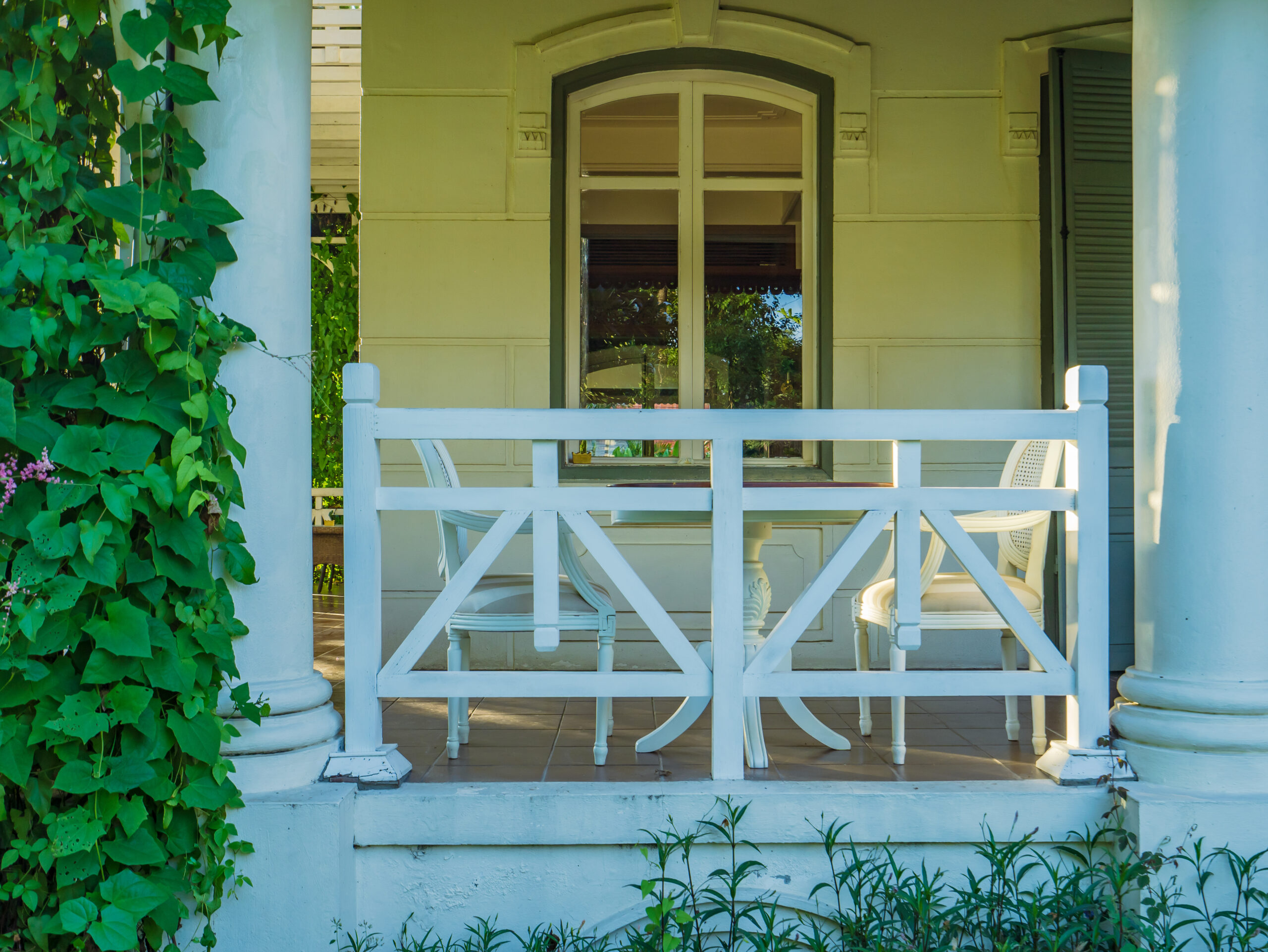
The front porch railing is far more than just a safety feature; it’s a prominent design element that significantly contributes to your home’s curb appeal and overall architectural style. Choosing the right railing can transform your porch from merely functional to a true visual statement. LA Home Builders brings you an array of front porch railing ideas, exploring popular styles, materials, and essential considerations to elevate your home’s exterior.
Wood, metal, cable, glass railing options
Each material offers distinct advantages in terms of aesthetics, maintenance, and durability.
Wood Railings:
- Description: Classic and versatile, wood railings (often pressure-treated, cedar, or redwood) can be painted, stained, or left natural to weather. They can feature traditional turned spindles, flat balusters, or simple horizontal lines.
- Pros: Highly customizable, warm, natural look, and generally more affordable initially.
- Cons: Requires regular maintenance (painting, staining, sealing) to prevent rot, warping, and insect damage.
Metal Railings:
- Description: Includes wrought iron, aluminum, and steel. They offer strength, durability, and a wide range of designs, from ornate scrollwork to sleek, minimalist lines.
- Pros: Extremely durable, low maintenance (especially aluminum, which is rust-resistant), strong, and can provide a very elegant or contemporary look.
- Cons: Can be more expensive than wood. Wrought iron may require occasional repainting to prevent rust.
Cable Railings:
- Description: Feature thin, horizontal stainless steel cables stretched taut between posts. They offer a modern, industrial aesthetic and maximize views due to their minimalist profile.
- Pros: Excellent for preserving views, very durable, low maintenance, and highly contemporary.
- Cons: Higher upfront cost than most wood or traditional metal railings. Installation can be intricate, requiring specialized tensioning tools.
Glass Railings:
- Description: Consist of tempered glass panels held in place by clamps, posts, or a track system. They offer unobstructed views and a sophisticated, ultra-modern look.
- Pros: Provides maximum transparency and wind protection, creates a sleek, high-end aesthetic.
- Cons: Most expensive option. Requires frequent cleaning to maintain clarity and show smudges/fingerprints. Glass can sometimes be prone to glare.
Matching architectural styles: Modern, craftsman, rustic
The best railing choice integrates seamlessly with your home’s architectural character.
- Modern Homes:
- Railings: Opt for clean lines, simple forms, and minimalist materials. Cable railings, glass panels, or sleek aluminum with horizontal or widely spaced vertical balusters are excellent choices. Black or dark gray finishes complement modern palettes.
- Craftsman Homes:
- Railings: Emphasize natural materials and sturdy construction. Thick, square wood balusters and posts (often painted white or a coordinating trim color, or stained to match natural wood accents) are quintessential. Sometimes, a combination of wood and stone/brick piers is used.
- Rustic/Farmhouse Homes:
- Railings: Lean into natural, perhaps slightly rugged, materials. Rough-sawn cedar or reclaimed wood can be used. Simple vertical wood pickets, or even balusters made from natural branches, fit the aesthetic. Black metal pipe railings can also add an industrial farmhouse touch.
- Traditional/Colonial Homes:
- Railings: Classic turned wood spindles (often white) with robust handrails and newel posts are typical. Wrought iron with decorative elements can also suit this style, adding a touch of elegance.
- Coastal/Beach Homes:
- Railings: Favor light and airy designs that maximize views and withstand salty air. White painted wood, composite materials, or cable railings are popular. Some designs feature cross-bracing for a nautical feel.
Safety codes & standard height regulations
Safety is paramount for any railing installation, and adherence to local building codes is non-negotiable.
- When Required: Railings are typically required on any porch, deck, or walking surface that is more than 30 inches above the ground. This threshold can vary slightly by jurisdiction, so always verify your local code.
- Standard Height: The most common minimum height for residential railings is 36 inches from the walking surface to the top of the handrail. However, some areas may require 42 inches, particularly for commercial properties or multi-family dwellings, or for certain elevated decks.
- Baluster Spacing (Guardrail Openings): The most critical safety aspect for preventing falls, especially for children. Generally, the spacing between balusters (or any decorative elements) must prevent a 4-inch sphere (the approximate size of a child’s head) from passing through. This typically means balusters must be no more than 4 inches apart on center.
- Load Requirements: Railings must be able to withstand specific horizontal and vertical forces (e.g., 200 pounds of force at any point along the top rail) to prevent collapse.
- Stair Railings: Handrails are typically required on one side of stairs with four or more risers. They must be graspable (easy to hold onto) and continuous.
- Permits: Most railing installations or replacements that involve structural work or changes to the exterior of your home will require a building permit. Always consult your local building department before starting any project.
DIY vs. Professional installation tips
Deciding whether to DIY or hire a pro depends on your skill level, the complexity of the project, and local regulations.
DIY installation tips:
- Know Your Code: Thoroughly research and understand all local building codes for railing height, baluster spacing, and structural attachment.
- Measure Precisely: Accuracy is key for a professional-looking and safe installation.
- Tools: Ensure you have the right tools (saws, drills, levels, measuring tapes, fasteners).
- Safety First: Wear appropriate personal protective equipment (PPE) like gloves, eye protection, and hearing protection. Work safely at heights.
- Simple Designs: Best suited for simpler wood or basic pre-fabricated systems.
Professional installation tips:
- Complex Designs: Highly recommended for complex railing systems (cable, glass, custom metalwork), or if you are removing/modifying structural elements of your porch.
- Code Compliance: Professionals are well-versed in local building codes and ensure your railing passes inspection.
- Expertise & Tools: They have specialized tools and experience for efficient and precise installation.
- Warranty: Reputable contractors offer warranties on their workmanship.
- Time-Saving: Hiring a professional saves you time and effort, ensuring the job is done right the first time.
- Get Multiple Quotes: Always obtain quotes from at least three licensed and insured contractors. Check references and review their portfolio.
Decorative enhancements: Lighting, planters
Beyond functionality, railings offer opportunities for decorative touches that enhance curb appeal.
- Integrated Lighting:
- Post Cap Lights: Solar-powered or low-voltage LED lights that sit on top of railing posts, providing a soft glow.
- Under-Rail Lighting: LED strips or puck lights discreetly installed under the handrail, illuminating the deck surface and steps for safety and ambiance.
- Stair Riser Lights: Small lights integrated into the vertical part of the stairs.
- Planters & Greenery:
- Railing Planters: Hooks onto the top rail, perfect for displaying flowers or herbs.
- Post-Mounted Planters: Small decorative planters that attach directly to railing posts.
- Climbing Vines: Train flowering vines or ivy to climb up and around certain railing types (e.g., wood or metal) for a lush, natural look (ensure they don’t compromise safety or structural integrity).
- Decorative Elements:
- Custom Newel Posts: Unique, ornate, or oversized newel posts can be a grand statement.
- Finials: Decorative caps on top of railing posts add a finishing touch.
- Wrought Iron Inserts: For wood railings, wrought iron panels can be integrated for an elegant detail.
Sample projects & trend gallery
Visualize how different railing styles can transform a porch.
- Classic White Wood Picket: A timeless look for traditional homes. Imagine a freshly painted white wood railing with evenly spaced vertical pickets, providing a clean, welcoming feel. Often paired with a dark front door for contrast.
- Sleek Modern Cable Railing: For a contemporary residence, envision an elevated porch with dark composite decking and slim, dark metal posts featuring horizontal stainless steel cables. This design allows for unobstructed views and a minimalist aesthetic.
- Rustic Craftsman with Stone & Wood: Picture a sturdy porch featuring robust, square cedar posts and thick wood balusters stained a warm brown. Integrated stone pillars might anchor the railing sections, perfectly complementing a home with natural stone or brick accents.
- Elegant Black Wrought Iron: On a grand traditional or Mediterranean-style home, imagine an intricate wrought iron railing with classic scrollwork details, painted matte black. This adds a sophisticated, old-world charm.
- Seamless Glass Panels: For a home with a spectacular view, visualize a porch with frameless glass panels, offering a completely uninterrupted panorama and a sleek, luxurious appearance.
Choosing the right front porch railing is a blend of personal style, functional needs, and safety requirements. By carefully considering materials, design, and professional guidance, you can create a railing that enhances your home’s beauty and provides lasting enjoyment.Ready to upgrade your home’s curb appeal with a stunning and safe front porch railing? LA Home Builders specializes in custom exterior renovations, ensuring expert craftsmanship and adherence to all safety standards. Contact us today for a consultation and let’s design the perfect railing for