


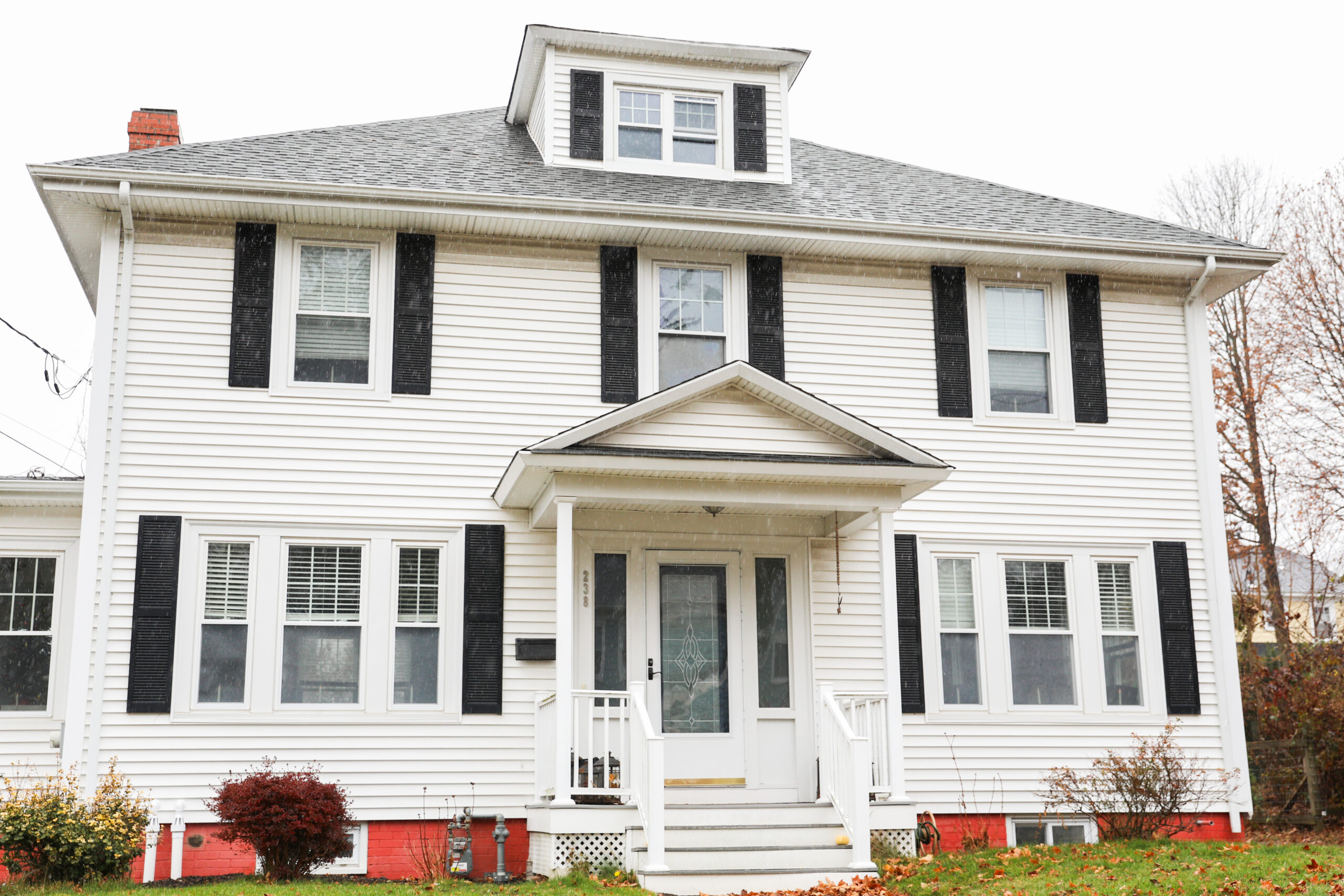
Vinyl siding is celebrated for its low maintenance and long-lasting color, often requiring nothing more than an occasional wash. However, over time, even the most durable vinyl can fade, become discolored, or simply no longer match your evolving aesthetic preferences. This leads many homeowners to wonder: Can you paint vinyl siding, and is it a good idea? The answer is a resounding “yes,” but with important caveats and specific techniques to ensure a lasting, beautiful finish. LA Home Builders provides this comprehensive guide to help you understand the nuances of painting vinyl siding.
Is it safe and effective to paint vinyl siding?
Yes, painting vinyl siding is both safe and effective, provided you use the right type of paint and follow proper preparation and application techniques. Modern paint technology has evolved significantly, offering specialized formulas specifically designed to adhere to vinyl and manage its unique characteristics.
The primary concern with painting vinyl siding used to be the risk of heat distortion or warping. Vinyl siding expands and contracts with temperature changes, and traditional dark paints would absorb excessive heat from the sun, causing the vinyl to buckle, warp, or sag. However, contemporary paints for vinyl siding are formulated with “Cool Color” or “Vinyl-Safe” technology, using special pigments that reflect sunlight rather than absorbing it. This allows homeowners to choose darker colors without the risk of damaging the siding.
When done correctly, painting vinyl siding can revitalize your home’s exterior, offering a fresh new look for a fraction of the cost of replacement.
When painting vinyl makes sense
Painting vinyl siding isn’t always the best solution, but there are several scenarios where it makes perfect sense:
- Faded or Dull Appearance: If your vinyl siding has lost its original vibrancy due to sun exposure or age, but is otherwise structurally sound, painting is an excellent way to restore its fresh look.
- Outdated Color: If your home’s exterior color no longer suits your taste or the architectural style you’re aiming for, painting offers a complete color change without the expense of new siding.
- Minor Blemishes: For siding with minor scratches, scuffs, or staining that won’t wash off, paint can provide a uniform, renewed surface.
- Cost-Effective Refresh: When budget is a primary concern and replacement isn’t feasible, painting offers a more affordable way to enhance curb appeal.
- Structural Integrity is Good: Painting is a viable option only if the vinyl siding itself is in good condition – no significant cracks, widespread warping, or brittle sections. Paint won’t fix structural issues.
- Selling Your Home: A fresh coat of paint can significantly boost curb appeal for potential buyers, making your home more attractive and potentially increasing its market value.
Preparation steps
Thorough preparation is the most critical step for a successful and long-lasting vinyl siding paint job. Do not rush this phase.
- Inspect and Repair: Walk around your home and inspect the entire siding surface. Repair or replace any loose panels, significant cracks, or warped sections. Small holes can sometimes be patched, but major damage might require professional intervention or panel replacement before painting.
- Clean Thoroughly: This is paramount.
- Remove Loose Debris: Brush off any loose dirt, cobwebs, or leaves.
- Wash with Detergent: Use a mild detergent (like a dish soap or a dedicated siding cleaner) and water solution. Apply with a soft-bristled brush or a low-pressure washer (be extremely careful with pressure washers; excessive pressure can force water behind the panels or damage the vinyl).
- Address Mildew/Mold: For mildew or mold, use a solution of 1 part bleach to 3 parts water, or an oxygen-bleach cleaner. Apply, let sit for 10-15 minutes, then scrub gently.
- Rinse Thoroughly: Rinse the entire house meticulously from top to bottom with clean water. Ensure all soap residue and bleach are completely removed. Any leftover residue can prevent paint adhesion.
- Allow to Dry: The siding must be completely dry, typically 24-48 hours, before painting begins.
- Remove Obstructions: Take down shutters, light fixtures, downspouts, and other attachments. Label them for easy reinstallation.
- Protect Surroundings: Cover windows, doors, plants, landscaping, and concrete surfaces with painter’s tape, plastic sheeting, and drop cloths. Tape off anything you don’t want painted, including trim if you’re going for a two-tone look.
- Remove Loose Caulk/Gaps: Inspect existing caulk around windows and doors. Remove any old, cracked, or failing caulk and replace it with a paintable, exterior-grade acrylic latex caulk.
Best paint types for vinyl
Choosing the right paint is crucial to prevent warping and ensure durability.
- 100% Acrylic Latex Paint: This is the only type of paint recommended for vinyl siding. It’s flexible, allowing it to expand and contract with the vinyl, and offers excellent adhesion.
- “Vinyl-Safe” or “Cool Color” Technology: This is a non-negotiable feature. These paints contain special pigments that reflect infrared light, minimizing heat absorption. This prevents the vinyl from overheating and warping, especially if you’re choosing a darker color than the original siding. Always check the paint can label for this designation.
- Satin or Eggshell Finish: These sheens are typically recommended. They offer a subtle luster that helps hide minor imperfections, are easier to clean, and provide good durability without being overly glossy. Flat finishes can absorb more dirt and aren’t as durable, while high-gloss can highlight imperfections.
- Primer (Optional but Recommended): While many vinyl-safe paints are self-priming, a dedicated acrylic primer designed for exterior use can offer extra adhesion, especially on heavily faded or chalky vinyl, and can help with color consistency.
Crucial Color Rule: When choosing a new color, do not select a color that is significantly darker than the original vinyl siding unless the paint is explicitly “vinyl-safe” with heat-reflective properties. If using non-vinyl-safe paint (which is not recommended), choose a color that is lighter or similar in lightness to the original color to avoid heat absorption issues.
How to paint vinyl siding like a pro
Once prepared and armed with the right paint, follow these steps for a professional-looking finish:
- Choose the Right Weather:
- Temperature: Paint when temperatures are between 50°F and 90°F (10°C and 32°C).
- Humidity: Low to moderate humidity is ideal for proper drying.
- Wind: Avoid windy days to prevent overspray and debris sticking to wet paint.
- Sunlight: Paint on an overcast day or when the area is in shade. Painting in direct, hot sunlight can cause the paint to dry too quickly, leading to brush marks, poor adhesion, and blistering.
- Application Method:
- Sprayer (Recommended for Speed & Smoothness): A paint sprayer provides the most uniform and professional finish, especially on textured vinyl. Ensure you have proper technique to avoid drips and runs. You’ll need to mask off more extensively.
- Rollers: Use a roller for the flat board sections, and brushes for the battens, edges, and trim. A high-quality roller cover with the appropriate nap (e.g., ⅜ inch or ½ inch) for exterior surfaces is best.
- Brushes: Use high-quality synthetic brushes for cutting in around windows, doors, and battens.
- Apply Thin, Even Coats: It’s better to apply two thin coats than one thick coat. Thin coats adhere better, dry more evenly, and are less likely to sag or peel.
- Work in Sections: Paint manageable sections from top to bottom to maintain a wet edge and avoid lap marks.
- Follow Manufacturer Instructions: Always adhere to the paint manufacturer’s guidelines for drying times between coats and recoating windows, doors, and trim.
- Backrolling/Backbrushing (if spraying): If using a sprayer, consider backrolling or back brushing immediately after spraying to push the paint into the texture of the vinyl and ensure optimal adhesion.
Pros and cons compared to replacement
Deciding between painting and replacing vinyl siding involves considering budget, longevity, and overall condition.
Painting Vinyl Siding:
- Pros:
- Cost Savings: Significantly cheaper than replacement (often 1/3 to 1/5 the cost).
- Quick Transformation: Faster project completion than a full tear-off and re-siding.
- Color Versatility: Allows for a complete change of aesthetic.
- Reduced Waste: Less material going to landfills.
- Cons:
- Longevity: While good paints last, a paint job won’t last as long as new siding (typically 7-15 years vs. 20-40+ years for new vinyl).
- Doesn’t Fix Structural Issues: Only covers cosmetic flaws; won’t improve insulation or resolve underlying problems like warping from poor original installation.
- Maintenance: Requires repainting down the line.
- Warranty Issues: May void the original vinyl siding manufacturer’s warranty.
Replacing Vinyl Siding:
- Pros:
- Long-Term Solution: New siding offers maximum longevity and durability.
- Improved Energy Efficiency: Opportunity to add insulation behind new siding.
- Wider Selection: Access to the latest siding technologies, colors, and styles, including insulated vinyl options.
- Adds Home Value: Can significantly boost curb appeal and resale value, especially if the old siding was severely damaged.
- Full Warranty: Comes with a new manufacturer’s warranty.
- Cons:
- Higher Cost: Significantly more expensive than painting (typically $3.00 – $12.00+ per square foot installed).
- More Disruptive: Longer project timeline, more waste generated.
LA Home Builders’ Recommendation: If your vinyl siding is generally in good condition, but you simply want a fresh look or updated color, painting is a cost-effective and viable solution. However, if your siding is brittle, cracked in multiple places, severely warped, or if you’re looking for significant improvements in insulation and long-term durability, replacement is likely the better long-term investment.
Painting vinyl siding can breathe new life into your home’s exterior, offering a vibrant refresh. With careful preparation, the right paint, and meticulous application, you can achieve a professional-looking finish that lasts for years. However, for those instances where your siding has reached the end of its lifespan, or for comprehensive exterior upgrades, the expertise of a professional remodeling company is invaluable. For guidance on assessing your siding’s condition or to explore professional siding replacement options, trust LA Home Builders.
Considering painting your vinyl siding or opting for a full replacement? Contact LA Home Builders today for expert advice and to discuss the best solution for your home!