
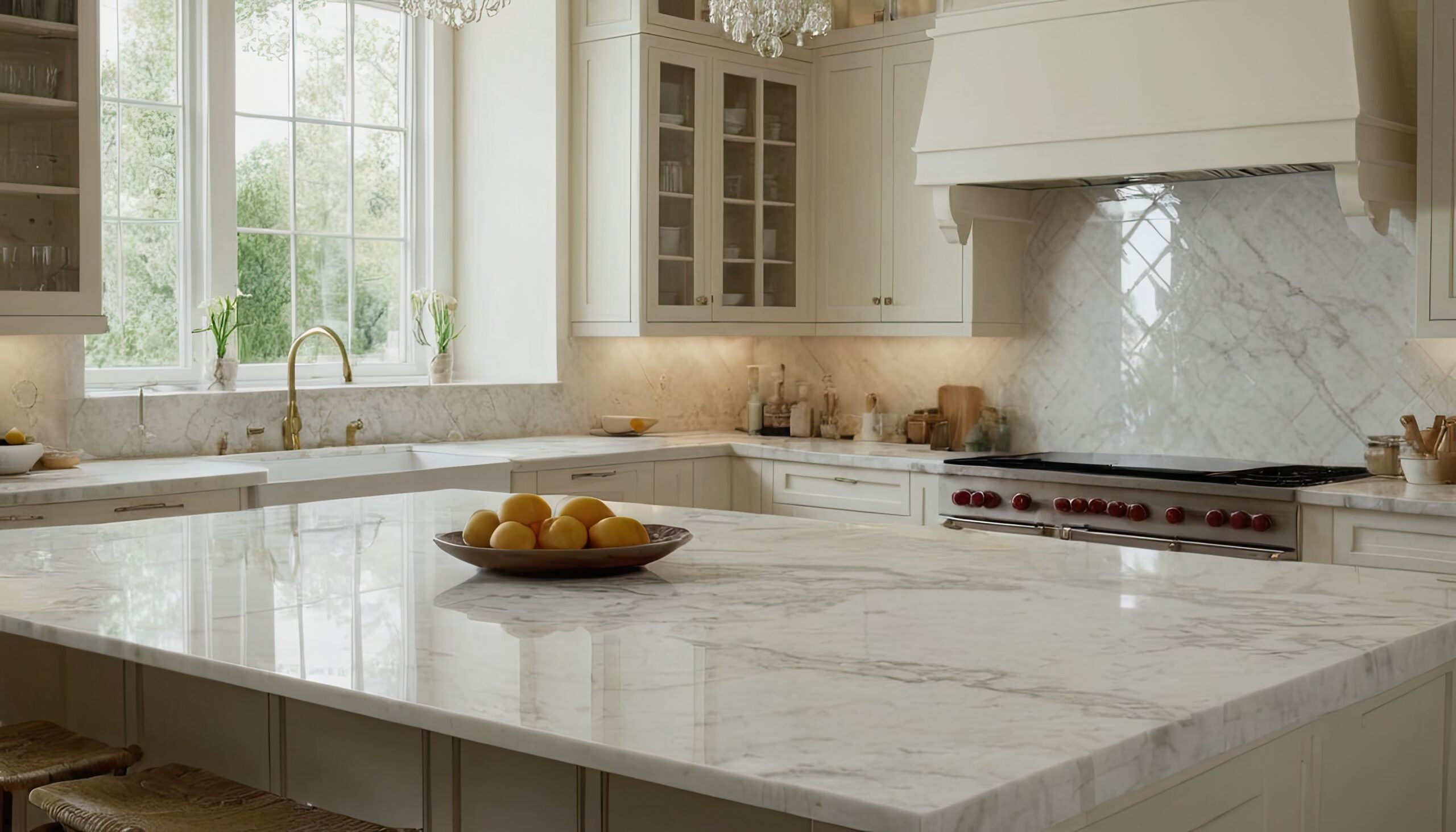
Choosing the right material for your kitchen countertops is a significant decision that impacts both the aesthetics and functionality of your space. Among the myriad of options available, quartz has steadily risen in popularity, becoming a top contender for homeowners seeking a blend of beauty, durability, and low maintenance. But is quartz truly a good material for kitchen countertops? This guide will delve into its characteristics, compare it to other popular choices, and help you determine if it’s the right investment for your home.
Pros and cons of quartz countertops
Understanding the advantages and disadvantages of quartz is essential for an informed decision.
Pros:
- Exceptional Durability: Quartz is an engineered stone, typically composed of 90-95% ground quartz (one of the hardest minerals on Earth) combined with resins, polymers, and pigments. This composition makes it incredibly strong and resistant to chips, cracks, and scratches.
- Non-Porous Surface: Unlike natural stones, quartz is non-porous. This means it does not absorb liquids, making it highly resistant to stains from common kitchen culprits like wine, coffee, oil, and acidic foods. Its non-porous nature also makes it highly hygienic, as it doesn’t harbor bacteria or viruses.
- Low Maintenance: Quartz countertops do not require sealing, unlike granite or marble. Daily cleaning is simple, typically requiring just a wipe with mild soap and water.
- Design Versatility: Because it’s engineered, quartz offers an almost limitless array of colors, patterns, and finishes. It can convincingly mimic the look of natural stones like marble and granite, or provide consistent, uniform colors and unique modern designs not found in nature.
- Consistent Appearance: For homeowners who prefer a uniform look, quartz slabs from the same batch will have a consistent color and pattern, making it easier to match seams and achieve a cohesive design across large areas.
- Heat Resistance: While not as heat-proof as granite, quartz is generally resistant to heat from hot pots and pans, though trivets are always recommended to prevent potential damage to the resin.
Cons:
- Cost: Quartz can be more expensive than some granite options, especially for high-end or exotic patterns.
- Susceptibility to UV Light: Some quartz colors can yellow or fade over time if exposed to direct, prolonged UV light (e.g., in outdoor kitchens or areas with intense, unfiltered sunlight). This is typically not an issue for indoor kitchens with standard windows.
- Heat Sensitivity (Resin): While heat resistant, extreme, prolonged heat can potentially scorch or discolor the resin binders in quartz. Always use hot pads or trivets for hot cookware.
- Seam Visibility: While more consistent than natural stone, seams are still visible in large installations. The visibility depends on the color, pattern, and quality of installation.
- Weight: Quartz slabs are heavy, requiring professional installation.
- Not a DIY Material: Due to its weight and the need for specialized tools for cutting and fabrication, quartz is not a material for DIY installation.
How quartz compares to granite and marble
Quartz, granite, and marble are all popular countertop choices, but they differ significantly in composition, performance, and aesthetics.
Quartz vs. Granite:
- Composition: Quartz is engineered (quartz + resin); granite is 100% natural stone.
- Porosity: Quartz is non-porous; granite is porous and requires periodic sealing to prevent stains.
- Maintenance: Quartz is very low maintenance (no sealing); granite requires sealing every 1-3 years.
- Appearance: Quartz offers consistent patterns and a wider range of colors/patterns (including marble mimics); granite has natural variations, unique veining, and a more “speckled” or “granular” look.
- Heat Resistance: Both are heat resistant, but granite generally tolerates higher direct heat better.
- Cost: Comparable, with both having budget, mid-range, and high-end options.
Quartz vs. Marble:
- Composition: Quartz is engineered; marble is 100% natural stone (metamorphic rock).
- Porosity: Quartz is non-porous; marble is highly porous and very susceptible to etching from acids and staining.
- Maintenance: Quartz is very low maintenance; marble requires diligent care, immediate cleanup of spills, and frequent sealing.
- Durability: Quartz is highly durable and scratch-resistant; marble is softer and prone to scratches and etching.
- Appearance: Quartz can mimic marble’s veining with consistent patterns; marble offers unique, natural veining that is often considered a luxurious, classic aesthetic.
- Cost: Marble can be more expensive than many quartz options, especially premium slabs.
Summary: Quartz offers the beauty of natural stone with superior durability and significantly less maintenance, making it a practical choice for busy kitchens.
Maintenance and durability of quartz
One of quartz’s biggest selling points is its low maintenance and high durability.
- Maintenance:
- Daily Cleaning: Simply wipe down with a soft cloth, warm water, and a mild dish soap.
- No Sealing Required: Unlike natural stone, quartz does not need to be sealed, ever. This saves time and money on upkeep.
- Stain Removal: For stubborn messes, a non-abrasive household cleaner can be used. Avoid harsh chemicals, abrasive scrubbers, or highly acidic/alkaline cleaners, as these can damage the resin.
- Durability:
- Scratch Resistance: Quartz is extremely hard and highly resistant to scratches from knives and everyday kitchen use. However, it’s still best practice to use cutting boards.
- Chip and Crack Resistance: While not indestructible, quartz is very resistant to chipping and cracking under normal kitchen conditions. Its engineered nature makes it less prone to fracturing than some natural stones.
- Heat Resistance: Quartz can handle typical kitchen heat, but prolonged exposure to very high temperatures (e.g., placing a hot pot directly from the stove onto the surface) can potentially cause discoloration or damage to the resin. Always use trivets or hot pads.
- Longevity: With proper care, quartz countertops can last for decades, maintaining their appearance and performance.
Design and color options
The engineered nature of quartz allows for an unparalleled range of design possibilities.
- Vast Color Palette: From pure whites and grays to vibrant blues, greens, and blacks, quartz is available in virtually any color imaginable. This allows for perfect coordination with cabinetry, flooring, and overall kitchen design.
- Pattern Versatility:
- Solid Colors: For a minimalist or contemporary look, quartz offers perfectly consistent solid colors.
- Subtle Flecks/Grains: Mimics the granular appearance of some granites.
- Veining (Marble Look): Highly popular, quartz can replicate the intricate, elegant veining of natural marble (e.g., Carrara, Calacatta) without marble’s maintenance drawbacks. The veining can be subtle or dramatic, consistent or varied.
- Unique Designs: Some quartz lines feature patterns and textures that are entirely unique and not found in natural stone, offering truly custom design opportunities.
- Finishes: While polished is most common, quartz is also available in honed (matte) or leathered (textured) finishes, adding another layer of design customization.
- Edge Profiles: Like natural stone, quartz can be fabricated with various edge profiles, from simple eased edges to more decorative ogee or bullnose options, further personalizing the look.
This extensive range of options makes quartz incredibly adaptable to any kitchen style, from sleek modern and industrial to classic traditional and farmhouse.
Is quartz worth the investment?
Considering its cost, is quartz a worthwhile investment for your kitchen countertops?
- Long-Term Value: Quartz’s exceptional durability and low maintenance contribute to its long-term value. Its resistance to stains, scratches, and chips means it will likely retain its pristine appearance for many years, reducing the need for costly repairs or replacements.
- Resale Appeal: Updated kitchens with high-quality, attractive countertops are a major selling point for homes. Quartz’s popularity, modern aesthetic, and practical benefits make it a desirable feature that can enhance your home’s resale value.
- Lifestyle Fit: For busy households, families with children, or those who prefer a low-stress kitchen environment, quartz offers a practical solution that doesn’t compromise on style. Its non-porous nature and easy cleaning make daily life simpler.
- Aesthetic Longevity: With its wide range of timeless and on-trend designs, quartz allows you to achieve a look that will remain appealing for years to come, avoiding the need for frequent aesthetic updates.
In conclusion, quartz is an excellent material for kitchen countertops. While it may have a higher upfront cost than some alternatives, its superior durability, virtually maintenance-free nature, and vast design versatility make it a smart and worthwhile investment for homeowners seeking a beautiful, functional, and long-lasting kitchen surface.
Ready to explore quartz countertops for your kitchen remodel? LA Home Builders specializes in crafting stunning and functional kitchens, offering a wide selection of premium quartz options to suit your style and budget. Contact us today for a free consultation and let’s design the kitchen of your dreams!