


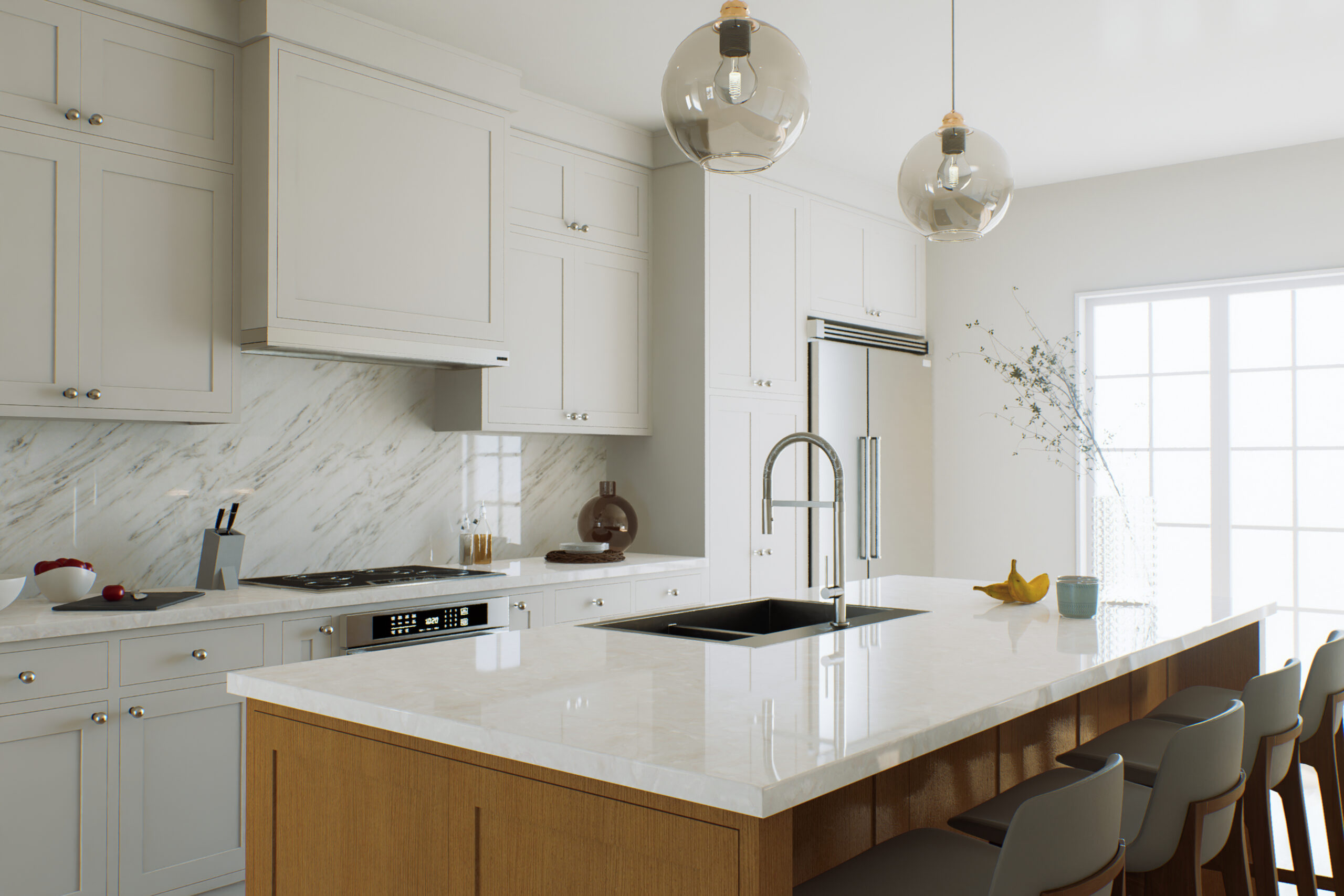
Kitchen island pendant lighting is more than just a functional necessity; it’s a powerful design element that can dramatically transform the look and feel of your kitchen. The right pendants can provide essential task lighting for meal prep, create a warm and inviting ambiance, and serve as a stunning focal point that ties your entire kitchen design together. This guide will explore popular styles, sizing, placement, and design considerations to help you choose the perfect pendant lights for your kitchen island.
Popular pendant styles for kitchen islands
The world of pendant lighting offers a vast array of styles to complement any kitchen aesthetic.
- Drum Pendants: Feature a cylindrical shade, often made of fabric or a solid material, providing diffused light. They offer a contemporary or transitional look and can add a soft touch to a modern kitchen.
- Dome Pendants: Characterized by their rounded, dome-shaped shades, these pendants direct light downwards, making them excellent for task lighting. They can range from minimalist to industrial, depending on the material and finish.
- Geometric Pendants: Incorporate open, angular frames, often made of metal, creating a sculptural and airy feel. These are perfect for modern, industrial, or minimalist designs, adding visual interest without obstructing views.
- Cage Pendants: Similar to geometric styles, but with a more defined wire or metal cage surrounding the light source. They offer an industrial or rustic farmhouse vibe.
- Bell Pendants: Feature a classic, bell-shaped shade, often made of glass or metal. They are versatile and can suit traditional, transitional, or even some contemporary kitchens, providing focused downward light.
- Mini Pendants: Smaller in scale, these are often used in multiples over longer islands or in kitchens where a less imposing fixture is desired. They come in virtually every style and material.
- Linear Pendants: A single, elongated fixture designed to span the length of a larger island. These offer a cohesive, streamlined look and provide even light distribution.
- Industrial Pendants: Often feature exposed bulbs, metal cages, or distressed finishes, evoking a factory or vintage aesthetic.
- Farmhouse Pendants: Combine rustic elements like distressed wood, wrought iron, or seeded glass with classic shapes, offering a cozy and inviting feel.
How to choose the right size and height
Proper sizing and height are crucial for both aesthetics and functionality.
- Size (Diameter/Width):
- Rule of Thumb: Pendants should be proportional to your island. For multiple pendants, their combined width should not exceed two-thirds to three-quarters of the island’s length.
- Individual Pendants: For single or double pendants over a smaller island, consider the island’s width. The pendant’s diameter should typically be about 1/3 to 1/2 of the island’s width.
- Visual Balance: Avoid pendants that are too small and look insignificant, or too large and overwhelm the space or block views.
- Height (Distance from Countertop):
- General Guideline: The bottom of the pendant light fixture should typically hang 30 to 36 inches above the countertop surface of the island.
- Considerations:
- Line of Sight: Ensure the pendants don’t obstruct the view across the island or into other areas of the kitchen.
- Headroom: Allow enough space for people to comfortably stand and work at the island without hitting their heads.
- Ceiling Height: In kitchens with very high ceilings, you might hang pendants slightly higher to maintain proportion, but never less than 30 inches from the counter.
- Adjustability: Many pendants come with adjustable cords or rods, allowing for fine-tuning during installation.
Number of fixtures based on island length
The length of your kitchen island will dictate how many pendants are needed for optimal lighting and visual balance.
- Short Islands (Under 5 feet):
- Option 1: A single, larger pendant or a linear pendant.
- Option 2: Two mini pendants, spaced appropriately.
- Medium Islands (5 to 7 feet):
- Most Common: Two pendants. This provides balanced lighting and a symmetrical look.
- Spacing: Divide the island into thirds, placing the pendants at the two outer third points. This ensures even light distribution.
- Long Islands (7 to 9 feet):
- Most Common: Three pendants. This is ideal for longer islands, maintaining consistent lighting and visual interest.
- Spacing: Divide the island into quarters, placing the pendants at the three inner quarter points.
- Very Long Islands (Over 9 feet):
- Option 1: Four or more mini pendants, evenly spaced.
- Option 2: One or two linear pendants, depending on their length.
- Option 3: A combination of a linear pendant with mini pendants at the ends.
Tip: Always consider the size of the individual pendants. Larger pendants might require fewer fixtures, while smaller mini pendants allow for more flexibility in quantity.
Matching lighting with kitchen design
Your pendant lights should complement your overall kitchen design style, from cabinetry to hardware.
- Cohesive Finishes:
- Hardware: Match the finish of your pendant lights to your cabinet hardware (knobs, pulls), faucet, or other metal accents (e.g., stainless steel, brushed nickel, matte black, brass, bronze). This creates a unified and intentional look.
- Appliances: If your appliances are stainless steel, a brushed nickel or chrome pendant can tie into that aesthetic.
- Style Harmony:
- Modern/Contemporary: Opt for sleek, minimalist pendants with clean lines, often in metal, glass, or a combination. Recessed lighting is often favored.
- Traditional/Classic: Bell-shaped, lantern-style, or more ornate pendants with bronze, brass, or dark finishes.
- Farmhouse/Rustic: Look for pendants with distressed wood, seeded glass, wrought iron, or simple metal shades.
- Industrial: Exposed bulbs, cage designs, and dark metal finishes are key.
- Color Palette:
- Neutral Kitchens: Pendants can either blend in (e.g., white or clear glass) or provide a pop of contrasting color or metallic sheen.
- Colorful Kitchens: Choose pendants that complement or subtly contrast with your cabinet or backsplash colors.
- Light Temperature and Dimmers:
- Color Temperature: Select LED bulbs with a color temperature (measured in Kelvin) that matches the ambiance you desire and complements your kitchen’s finishes. Warm white (2700K-3000K) creates a cozy feel, while neutral white (3500K-4000K) is brighter and more task-oriented.
- Dimmers: Always install dimmers for your pendant lights. This allows you to adjust the brightness from bright task lighting for cooking to a softer, more ambient glow for entertaining or casual dining.
Installation and wiring considerations
Proper installation and wiring are crucial for safety and functionality. It’s highly recommended to hire a licensed electrician for this work.
- Electrical Box Placement:
- New Construction/Major Remodel: Plan the exact location of the electrical boxes in the ceiling above the island before the ceiling is closed up. This ensures optimal spacing and alignment.
- Existing Kitchens: If your island is moving or you’re adding pendants where none existed, an electrician will need to run new wiring from an existing circuit to the new pendant locations. This may involve opening up the ceiling.
- Dedicated Circuit: For multiple pendants or larger fixtures, ensure they are on a dedicated electrical circuit to prevent overloading and tripping breakers.
- Switching: Consider how you want to control the lights. A single switch for all pendants is common, but you might want separate switches for pendants and other kitchen lighting (e.g., recessed lights, under-cabinet lighting) for greater control.
- Load Bearing: Ensure the ceiling joists or blocking can safely support the weight of the chosen fixtures. Heavy pendants may require additional bracing.
- Code Compliance: A licensed electrician will ensure all wiring and installation meet local electrical codes, which is essential for safety and home insurance purposes.
- Adjustability: If you’re unsure about the exact hanging height, choose pendants with adjustable cords or rods. This allows for fine-tuning after installation to achieve the perfect look and light distribution.
By carefully considering these factors, you can select and install kitchen island pendant lighting that not only illuminates your workspace but also elevates your kitchen’s style and functionality, making it a truly inviting and beautiful space.
Ready to illuminate your kitchen island with stunning pendant lights? LA Home Builders specializes in comprehensive kitchen remodels, including expert lighting design and installation. Our team will help you choose the perfect fixtures to enhance your kitchen’s beauty and functionality. Contact us today for a free consultation and let’s bring your vision to light!