


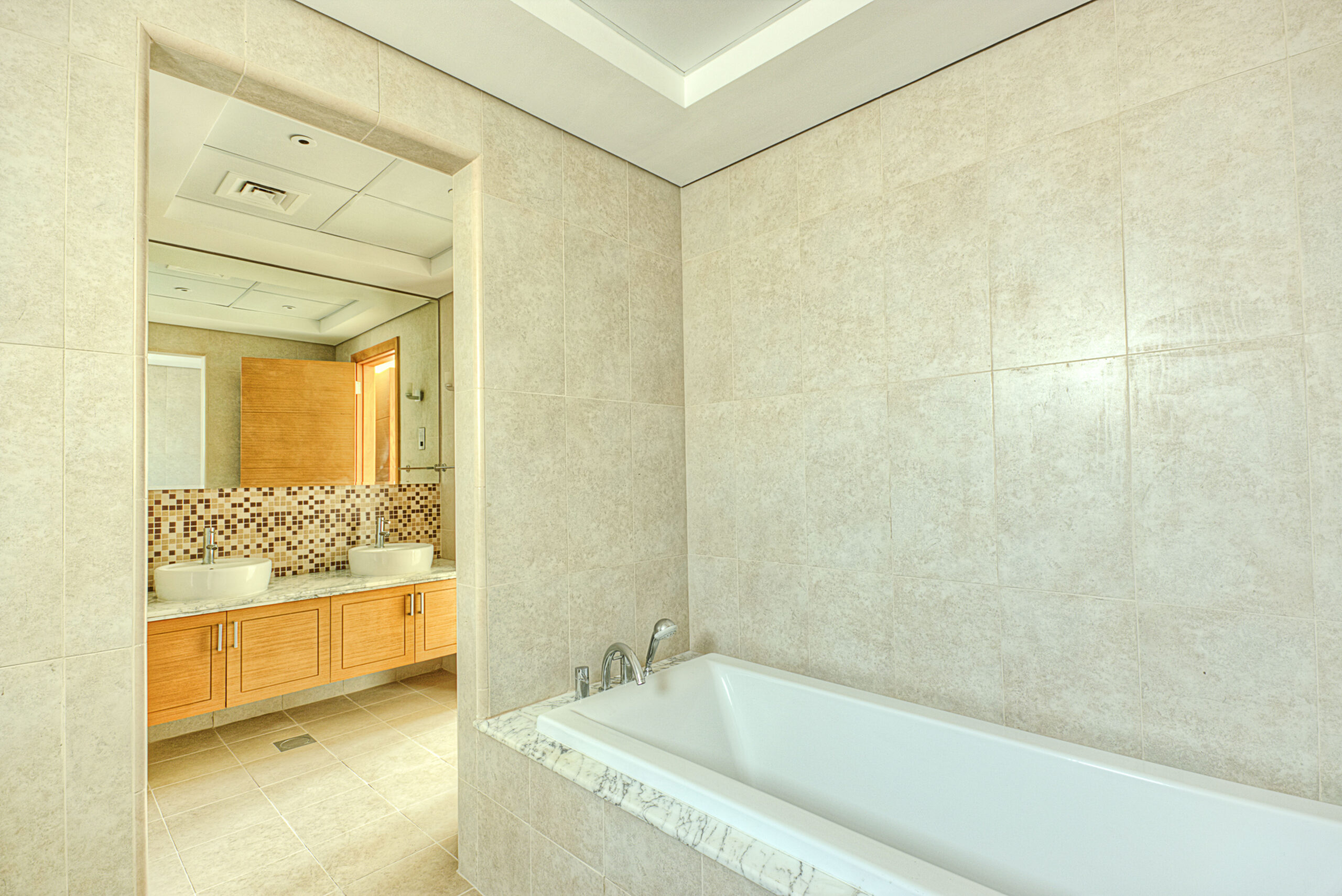
Replacing a bathtub is a significant home improvement project that can revitalize your bathroom’s appearance and enhance its functionality. Whether your current tub is showing its age, no longer meets your needs, or you’re simply ready for a fresh look, understanding the process and key considerations beforehand is essential for a smooth and successful renovation. This guide will walk you through everything you need to know before embarking on a bathtub replacement.
How to tell when it’s time to replace your tub
Knowing when to replace your bathtub is the first step. Here are common signs that your tub has reached the end of its lifespan or no longer serves its purpose:
- Visible Damage: Cracks, chips, deep scratches, or significant rust spots are clear indicators. Beyond aesthetics, these can compromise the tub’s integrity and lead to leaks.
- Persistent Stains or Discoloration: If your tub’s surface is permanently stained or discolored despite thorough cleaning, it detracts from the bathroom’s cleanliness and appeal. This often happens with older fiberglass or acrylic tubs.
- Leaks: Any signs of water leaking around the tub, drain, or faucet area, especially if it’s causing water damage to the floor or ceiling below, demand immediate attention. A compromised tub or faulty drain assembly can lead to costly structural issues.
- Chronic Mold or Mildew: While surface mold can be cleaned, persistent mold growth around the tub or in the caulk lines might indicate underlying moisture issues or a porous surface that’s difficult to keep clean.
- Fading or Dull Finish: Over time, the protective finish on tubs can wear away, leaving a dull, chalky, or faded appearance that no amount of cleaning can restore.
- Outdated Style or Color: If your tub’s color (e.g., avocado green, harvest gold) or style no longer fits your desired aesthetic, a replacement can be the cornerstone of a modern bathroom update.
- Changing Accessibility Needs: As family needs evolve, a standard tub might become a barrier. Replacing it with a walk-in tub or a curbless shower can significantly improve safety and independence for those with mobility challenges.
- Part of a Larger Remodel: Often, a tub replacement is a key component of a complete bathroom renovation, where a new tub ties into a refreshed design.
Replacement types and material options
The type and material of your new bathtub will significantly influence its appearance, durability, and installation requirements.
Bathtub Styles:
- Alcove Bathtubs: The most common style, designed to fit into a three-wall recess. They are space-efficient and ideal for shower/tub combinations.
- Freestanding Bathtubs: A standalone tub finished on all sides, placed anywhere in the bathroom. They serve as a luxurious focal point and are available in various sculptural designs (e.g., clawfoot, pedestal). They require more floor space and often floor-mounted plumbing.
- Drop-In Bathtubs: An unfinished tub shell that is “dropped into” a custom-built frame or deck, allowing for personalized surround materials like tile or stone.
- Undermount Bathtubs: Similar to drop-in, but the tub’s rim is installed beneath the surrounding deck, creating a seamless, contemporary edge.
- Walk-In Bathtubs: Designed for accessibility, featuring a watertight door for easy entry, often with hydrotherapy jets.
Material Options:
- Acrylic: Lightweight, relatively inexpensive, warm to the touch, good heat retention, and easy to clean. A popular, versatile choice.
- Cast Iron: Extremely durable, excellent heat retention, highly resistant to chipping and scratching, with a luxurious, substantial feel. Very heavy, potentially requiring floor reinforcement.
- Fiberglass (FRP): Very lightweight and inexpensive, but less durable than acrylic, more prone to scratching and cracking over time.
- Cultured Marble: Engineered stone offering a seamless look, wide range of colors, and non-porous surface. Can be expensive and susceptible to scratching.
- Solid Surface: A non-porous, homogeneous material that allows for seamless designs and can be repaired if scratched. Often used for modern, minimalist aesthetics.
Removal and installation timeline
The timeline for a bathtub replacement varies based on the complexity of the project. A simple “swap out” can be relatively quick, while a full conversion or custom installation takes longer.
Removal Process:
- Water Shut-Off: The first crucial step is to turn off the water supply to the bathroom, or ideally, the entire house.
- Demolition: This involves carefully removing the old tub, surrounding tile or wall panels, and potentially parts of the drywall or backer board. This is often the messiest and loudest part of the process.
- Plumbing Disconnection: The old drain and overflow assemblies are disconnected, and the faucet is removed.
- Inspection: Once the old tub is out, the subfloor and wall studs are inspected for any signs of water damage, rot, or mold. Any necessary repairs must be addressed at this stage before the new tub goes in.
Installation Timeline (General Estimates):
- Simple Alcove Tub Swap (same size, minimal tile work): 1-3 days.
- Day 1: Demolition, rough-in plumbing adjustments, tub set.
- Day 2-3: Backer board installation, tiling/surround installation, grouting, caulking, fixture installation.
- Freestanding Tub Installation: 2-4 days.
- Requires careful planning for floor-mounted plumbing. Tub set, connections, and final positioning.
- Drop-In/Undermount Tub with Custom Surround: 3-7+ days.
- Includes building the custom deck/frame, precise cutting of surround materials, tiling, and extensive finishing.
- Tub-to-Shower Conversion: 3-7+ days.
- This is typically the most involved, requiring new shower pan installation, extensive waterproofing, tiling, and glass enclosure installation.
Factors Affecting Timeline:
- Material Choice: Natural stone or custom tile work takes longer than prefabricated surrounds.
- Plumbing Modifications: Relocating drains or supply lines adds time.
- Unexpected Repairs: Discovering rot or mold during demolition will extend the project.
- Drying/Curing Times: Thin-set mortar and grout require specific curing times before proceeding to the next step.
What affects the cost of bathtub replacement
The cost of a bathtub replacement can range widely, from a few hundred dollars for a basic DIY swap to tens of thousands for a luxury custom installation. Key factors include:
- Type of Bathtub:
- Least Expensive: Basic fiberglass or acrylic alcove tubs.
- Mid-Range: Higher-quality acrylic, enameled steel, or some entry-level freestanding tubs.
- Most Expensive: Cast iron, solid surface, stone resin freestanding tubs, and walk-in tubs.
- Material of Surround:
- Least Expensive: Prefabricated fiberglass/acrylic surrounds.
- Mid-Range: Ceramic or porcelain tile.
- Most Expensive: Natural stone tile, large-format porcelain slabs, or custom glass enclosures for showers.
- Plumbing Modifications: Relocating or significantly altering drain and supply lines will add to labor costs.
- Labor Costs: Professional installation fees vary by region and the complexity of the job. DIY can save on labor but requires skill and time.
- Demolition and Debris Removal: Factor in the cost of tearing out the old tub and disposing of debris.
- Subfloor/Wall Repairs: Unforeseen damage (rot, mold) behind the old tub can add significant repair costs.
- Fixtures and Faucet: The choice of faucet, showerhead, and other accessories can range from budget-friendly to high-end luxury.
- Accessibility Features: Adding grab bars, benches, or specialized shower systems will increase costs.
- Permits: Depending on the scope of work, local building permits may be required, adding to the overall expense.
Tip: Always get detailed, written estimates from multiple contractors, breaking down material and labor costs. Include a contingency fund of 10-20% for unexpected issues.
Hiring the right contractor
Choosing a qualified and reputable contractor is paramount for a successful bathtub replacement.
- Define Your Project Scope: Clearly outline what you want done (e.g., simple tub swap, tub-to-shower conversion, specific materials).
- Get Multiple Bids: Contact at least three licensed and insured contractors. Provide them with the same scope of work so you can compare bids accurately.
- Check Credentials:
- License: Verify that the contractor is licensed in your state or locality.
- Insurance: Ensure they carry liability insurance and workers’ compensation insurance. This protects you from financial responsibility in case of accidents or damage.
- Bonding: Some states or projects require contractors to be bonded, offering an extra layer of financial protection.
- Review Portfolios and References:
- Ask to see examples of their previous bathroom or tub replacement projects.
- Request references from past clients and actually call them. Ask about communication, adherence to budget and timeline, and overall satisfaction.
- Read Reviews: Check online reviews on reputable platforms (e.g., Google, Yelp, Houzz, Better Business Bureau). Look for consistent feedback, both positive and negative, and how the contractor responds.
- Get a Detailed Contract: A comprehensive contract should include:
- A clear description of the work to be performed.
- Itemized costs for materials and labor.
- Payment schedule.
- Project timeline and completion date.
- Warranty information for both materials and workmanship.
- Procedures for change orders.
- Discuss Permits: Confirm who is responsible for obtaining necessary building permits (it should typically be the contractor).
- Communication: Choose a contractor with whom you feel comfortable communicating openly and who responds promptly to your questions.
By doing your homework and selecting a skilled professional, you can ensure your bathtub replacement project is completed efficiently, safely, and to your satisfaction, leaving you with a fresh and functional bathroom space.
Ready to transform your bathroom with a new bathtub? LA Home Builders specializes in comprehensive bathroom remodels, offering expert guidance and professional installation for all types of bathtub replacements. Our experienced team ensures quality craftsmanship and a smooth renovation process. Contact us today for a free consultation and let’s create the bathroom of your dreams!