


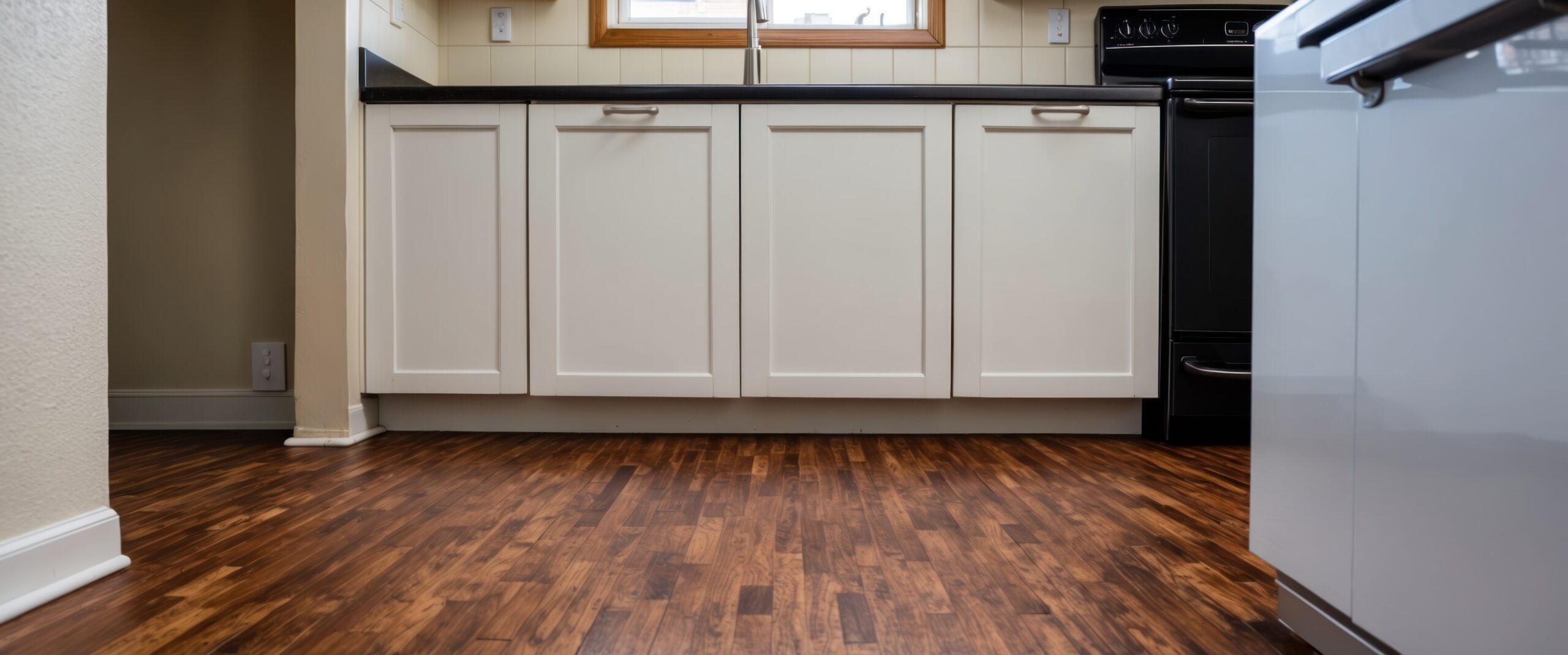
The combination of classic hardwood floors and crisp white cabinets creates a timeless, elegant, and highly versatile foundation for any kitchen. This pairing offers a beautiful balance of warmth and brightness, allowing for endless design possibilities. However, achieving the perfect look requires careful consideration of various elements, from the shade and finish of the wood to the overall layout and accent choices. This guide will delve into how to master the art of blending hardwood floors with white kitchen cabinets to create a cohesive and stunning space.
Best hardwood shades for white kitchens
The beauty of white cabinets is their ability to pair with almost any hardwood shade, but certain combinations can achieve specific design goals.
- Light Hardwood (e.g., White Oak, Maple, Ash, Light Birch):
- Effect: Creates an airy, expansive, and Scandinavian-inspired aesthetic. Light floors reflect more light, making the kitchen feel larger and brighter. This combination is excellent for modern, minimalist, or coastal designs.
- Undertones: Light woods can have warm (honey, golden) or cool (gray, pale beige) undertones. Choose a shade that complements the undertone of your white cabinets (e.g., warm white cabinets with warm light wood, cool white cabinets with cool light wood).
- Popularity: Natural and light wood tones, especially white oak and ash, are trending in 2025 for their organic and airy feel.
- Medium Hardwood (e.g., Mid-Tone Oak, Pecan, Natural Walnut):
- Effect: Offers a balanced, warm, and inviting feel without being too dark or too light. This versatile shade works well with traditional, transitional, and contemporary kitchens. It provides a gentle contrast to white cabinets, highlighting both elements.
- Undertones: Mid-tones can also lean warm or cool. Warm neutrals like honey and wheat are popular in 2025.
- Dark Hardwood (e.g., Dark Walnut, Ebony-Stained Oak, Brazilian Cherry):
- Effect: Creates a dramatic, sophisticated, and grounded look. Dark floors provide a strong contrast to white cabinets, making the cabinets pop and adding a sense of luxury. This combination can make a large kitchen feel more intimate.
- Considerations: Dark floors can show dust and scratches more easily. Rich, dark tones like walnut and chocolate brown are trending in 2025.
Tip: Always bring large samples of your chosen hardwood and white cabinet finish into your kitchen. Observe them under different lighting conditions (natural daylight, evening, artificial lighting) to see how the colors and undertones interact.
How to balance warm and cool tones
Achieving harmony between your hardwood floors and white cabinets often comes down to balancing their underlying warm and cool tones.
- Identify Undertones:
- White Cabinets: White paint can have warm (yellow, beige, cream), cool (blue, gray, green), or true neutral undertones.
- Hardwood Floors: Wood species and stains also have inherent undertones. For example, red oak has warm, reddish undertones, while white oak can have more neutral or slightly cool undertones. Walnut is typically warm and rich.
- Harmonize Undertones:
- Warm + Warm: Pair warm white cabinets (e.g., off-white, creamy white) with warm-toned hardwood floors (e.g., honey oak, natural maple, Brazilian cherry). This creates a cozy, inviting, and cohesive atmosphere.
- Cool + Cool: Combine cool white cabinets (e.g., crisp white with gray or blue undertones) with cool-toned hardwood floors (e.g., gray-washed oak, light ash with cool undertones). This results in a sleek, contemporary, and often minimalist look.
- Mix Warm and Cool (Carefully): While generally advisable to stick to one temperature family, a slight mix can work if one element is a true neutral. For instance, a pure neutral white cabinet can act as a bridge between a warm wood floor and cooler wall paint. Avoid clashing strong warm and cool tones.
- Use Transitional Elements: If there’s a significant difference in undertones, introduce neutral elements like a gray or greige backsplash, or a contrasting island color, to help bridge the visual gap and create a more harmonious flow.
Matte vs. Glossy finishes
The finish of your hardwood floor significantly impacts its appearance, durability, and how it interacts with light, especially when paired with white cabinets.
- Matte Finishes (Low Sheen/Natural Oil):
- Effect: Offers a soft, understated, and natural look that highlights the wood’s grain and texture. It absorbs light rather than reflecting it. Matte finishes are highly popular in 2025 for their authentic beauty.
- Pros: Excellent at hiding minor scratches, scuffs, and everyday dust, making them very practical for high-traffic kitchens. Creates a more organic and relaxed feel.
- Cons: May require more frequent cleaning for spills if not properly sealed, as they don’t have a hard surface layer. Hardwax oils, which offer a matte finish, may require more frequent reapplication in high-traffic areas.
- Satin Finishes (Medium Sheen):
- Effect: The most popular and versatile finish, offering a subtle luster that is neither too dull nor too shiny. It provides a good balance of light reflection and durability.
- Pros: Hides imperfections reasonably well, easy to clean, and provides good protection.
- Cons: Less effective at hiding dust than matte, but better than high-gloss.
- Glossy Finishes (High Sheen):
- Effect: Creates a highly reflective, polished surface that makes the floor appear brighter and more luxurious.
- Pros: Can make a kitchen feel more expansive and elegant.
- Cons: Shows every scratch, scuff, and dust particle, requiring very frequent cleaning and maintenance. Can create glare. Less on-trend for 2025.
Recommendation: For kitchens, matte or satin finishes are generally recommended over high-gloss due to their practicality in hiding wear and tear, and their alignment with current design trends. Acid-cured finishes offer exceptional hardness and can come in various sheens, providing ultimate durability for kitchens.
Flooring direction and pattern considerations
The direction and pattern in which your hardwood planks are laid can influence the perceived size and flow of your kitchen.
- Running Parallel to the Longest Wall:
- Effect: This is the most common and often recommended direction. It can make a room appear longer and helps to visually expand the space, creating a natural flow.
- Best For: Most kitchen layouts, especially open-concept designs where the flooring continues from an adjoining room.
- Running Perpendicular to the Longest Wall:
- Effect: Can make a room feel wider, but potentially shorter.
- Considerations: May be used to create a specific visual effect or to align with a particular architectural feature.
- Diagonal Lay:
- Effect: Laying planks at a 45-degree angle to the walls can make a room feel larger and add visual interest and movement.
- Considerations: Requires more cuts and results in more material waste, increasing installation cost.
- Herringbone or Chevron Patterns:
- Effect: These intricate zigzag patterns create a sophisticated and classic focal point. Herringbone uses rectangular planks, while chevron uses planks cut at an angle to form continuous “V” shapes. Both are trending in 2025.
- Considerations: Highly complex and labor-intensive to install, resulting in higher costs and more material waste. Best suited for larger kitchens where the pattern can be fully appreciated.
- Wide Planks:
- Effect: Wide planks (7 inches or wider) are a popular trend in 2025. They create fewer seams, making the kitchen feel more open, spacious, and luxurious, beautifully showcasing the wood grain.
- Best For: Modern and contemporary kitchens, or to enhance the sense of space in any kitchen.
Tip: Consider the direction of natural light. Laying planks parallel to the main light source (e.g., a large window) can minimize the appearance of seams.
Creating contrast with islands or backsplashes
While white cabinets and hardwood floors provide a beautiful base, introducing contrasting elements can add depth, visual interest, and personality to your kitchen.
- Contrasting Kitchen Island:
- Concept: A kitchen island in a different color or material can serve as a striking focal point.
- Ideas:
- Painted Island: A dark gray, navy blue, forest green, or even black island can provide a bold contrast to white cabinets and warm wood floors.
- Wood Island (Different Tone): An island made from a different wood species or a darker/lighter stain than the floor and cabinets can add texture and warmth.
- Metal or Unique Material Island: An island with a metal base, a concrete top, or a unique finish can introduce an industrial or eclectic touch.
- Statement Backsplash:
- Concept: The backsplash is an ideal area to introduce color, pattern, or texture without overwhelming the white and wood foundation.
- Ideas:
- Color Pop: A vibrant blue, green, or patterned tile backsplash can add a burst of personality.
- Textured White: If you want to maintain an all-white look, use white tiles with a unique texture (e.g., fluted, ribbed, handmade, or geometric patterns) to add subtle interest.
- Natural Stone: Marble, travertine, or quartzite backsplashes can introduce natural veining and luxurious texture, complementing the wood floor.
- Dark or Bold Tile: A dark gray, black, or even a deep jewel-toned tile can create a dramatic backdrop against white cabinets.
- Hardware and Fixtures:
- Matte Black: Provides a sharp, modern contrast against white cabinets and pairs well with many wood tones.
- Brushed Brass/Gold: Adds warmth, elegance, and a touch of luxury, creating a sophisticated look.
- Polished Nickel/Chrome: Offers a sleek, classic, and cohesive feel that blends well with both white and wood.
- Lighting Fixtures:
- Pendant lights over the island or dining area are excellent opportunities for contrast. Consider fixtures in matte black, brushed brass, or unique materials like smoked glass or rattan to add visual interest.
- Seating and Decor:
- Introduce color and texture through bar stools, dining chairs, area rugs, artwork, or decorative accessories. Natural elements like plants or wooden cutting boards can further enhance the warmth of the wood floors.
By thoughtfully blending the classic appeal of hardwood floors with the crispness of white cabinets and strategically introducing contrasting elements, you can create a kitchen that is both beautiful and uniquely yours.
Ready to design your dream kitchen with hardwood floors and white cabinets? LA Home Builders specializes in crafting exquisite and functional kitchens, offering expert guidance on material selection, design coordination, and professional installation to bring your vision to life. Contact us today for a free consultation!