


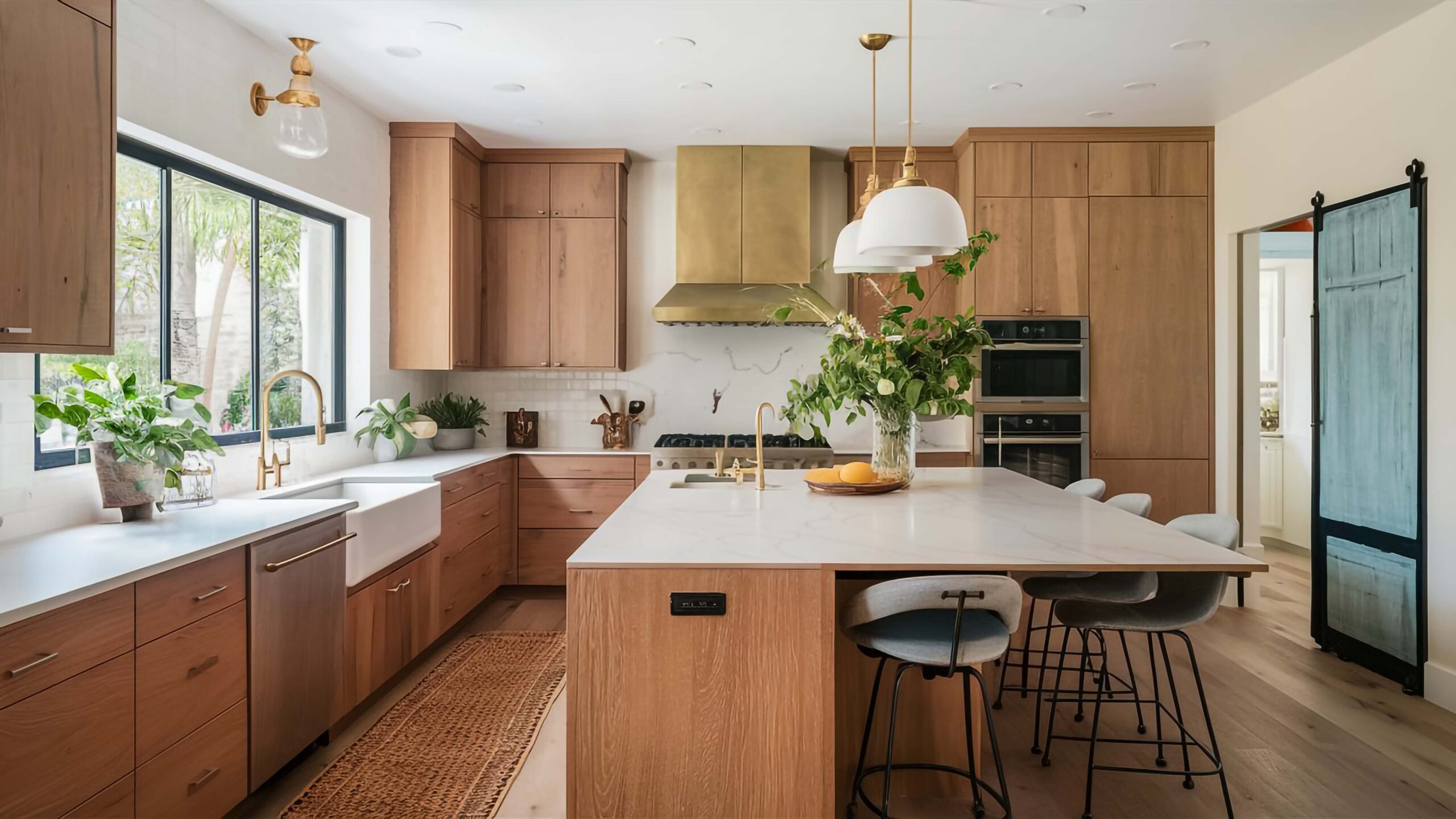
A kitchen island is a highly sought-after feature that can dramatically enhance the functionality, storage, and social appeal of your kitchen. Whether you’re a seasoned DIY enthusiast looking for a rewarding project or prefer to hire a professional, understanding the building process is key. This guide will walk you through the essential steps, from initial planning to the final touches, for constructing a kitchen island that perfectly suits your space and needs.
Planning your island layout and dimensions
Effective planning is the foundation of a successful kitchen island build. This involves considering your kitchen’s size, workflow, and how you intend to use the island.
- Assess Your Kitchen Space:
- Clearance: The most critical factor. You need at least 36-42 inches (90-105 cm) of clear walking space around all sides of the island to ensure comfortable movement and appliance access. If the island includes seating, aim for 44 inches (110 cm) or more behind the seating area to allow stools to be pulled out.
- Island Size: As a general guideline, the island should ideally take up no more than 10% of your kitchen’s total floor area. An oversized island can make the kitchen feel cramped, while a too-small island might look out of place.
- Determine Primary Purpose:
- Prep Station: If primarily for cooking, prioritize ample, uninterrupted countertop space. Consider integrating a prep sink or cooktop.
- Seating Area: If for casual dining or entertaining, ensure sufficient countertop overhang (typically 12-18 inches or 30-45 cm for counter-height seating) and linear space per person (at least 24 inches or 60 cm per seat).
- Storage Hub: Design with a variety of cabinets, drawers, and shelves to maximize storage.
- Multi-functional: Most islands serve multiple purposes, so balance the design to accommodate all desired functions.
- Standard Dimensions:
- Height: Standard counter height is 36 inches (90 cm). If incorporating bar-height seating, a section can be raised to 42 inches (107 cm).
- Depth: A minimum of 24 inches (60 cm) is functional, but 36-48 inches (90-120 cm) is often preferred for more workspace or to accommodate appliances.
- Length: Varies widely based on your space and needs.
- Workflow (Work Triangle): Ensure the island enhances the efficiency of your kitchen’s work triangle (the path between the sink, refrigerator, and stove) rather than obstructing it.
- Visual Layout: Use painter’s tape on the floor to outline your proposed island dimensions. This helps you visualize the size and traffic flow in real-time.
Choosing the right materials
The materials you select for your island’s construction and finishes will impact its durability, appearance, and overall cost.
- For the Island Structure/Base:
- Wood Framing (2x4s or 2x6s): Common for custom-built islands, providing a sturdy skeleton. Economical but requires careful construction.
- Plywood or MDF: Used for cladding the frame, creating solid surfaces for cabinet doors, drawers, or decorative panels.
- Stock Cabinets: A popular DIY option. Pre-built base cabinets (often 24 inches deep) are arranged to form the island’s base, then covered with end panels and trim for a finished look. This simplifies construction significantly.
- For the Countertop:
- Quartz: Engineered stone, highly durable, stain-resistant, non-porous, and available in many colors and patterns. Low maintenance.
- Granite: Natural stone, very durable, heat-resistant, unique patterns. Requires periodic sealing.
- Butcher Block (Wood): Adds warmth and natural texture. Excellent for food prep. Requires regular oiling/sealing for maintenance.
- Marble: Luxurious and beautiful, but porous and prone to etching/staining; higher maintenance.
- Laminate: Most budget-friendly, wide range of looks, but less durable and heat-resistant than stone or quartz.
- Concrete: Modern, industrial look, highly customizable. Can be heavy and may require sealing.
- For Finishing/Cladding:
- Plywood/MDF Panels: Can be painted, stained, or covered with decorative trim.
- Shiplap or Beadboard: Adds a farmhouse or coastal aesthetic.
- Reclaimed Wood: For a rustic or industrial look.
- Decorative Tile: Can be applied to the sides of the island for texture and color.
- Hardware: Knobs, pulls, and hinges should complement your kitchen’s overall style.
DIY vs. Contractor: DIYers often opt for stock cabinets or simpler wood frames with butcher block or laminate tops due to ease of installation. Contractors can handle more complex custom framing, heavy stone countertops, and integrated utilities.
Cabinet base vs. Custom framing
The choice between using pre-made cabinets or building a custom frame for your island depends on your budget, desired customization, and DIY skill level.
Cabinet Base:
- Concept: Involves arranging standard base cabinets (often 24 inches deep) back-to-back or in an L-shape to form the island’s structure.
- Pros:
- Easier for DIYers: Cabinets are pre-built, simplifying the structural work.
- Built-in Storage: Immediately provides functional storage with drawers and shelves.
- Cost-Effective: Often more budget-friendly than fully custom framing, especially if using stock cabinets.
- Variety: Available in various sizes, styles, and finishes, though customization is limited to standard dimensions.
- Cons:
- Limited Customization: You’re restricted to standard cabinet sizes and configurations.
- Seams: May require more finishing work to hide seams where cabinets meet or to create a seamless look on the back and sides.
- Installation Steps (DIY):
- Build a Level Base: Construct a sturdy 2×4 wood frame on the floor, leveled with shims, to serve as the base for the cabinets. Secure it to the floor.
- Assemble and Secure Cabinets: Place the assembled base cabinets onto the leveled frame. Screw the cabinets together where they meet, and then screw them down to the base frame for stability.
- Add Back and End Panels: Cover the exposed backs and sides of the cabinets with plywood, MDF, or decorative panels to create a finished look.
- Install Trim: Add baseboard, shoe molding, or decorative trim to match your existing cabinetry.
Custom Framing:
- Concept: Building the island’s entire structure from scratch using lumber (e.g., 2x4s) to create a custom frame.
- Pros:
- Full Customization: Allows for any size, shape, or unique feature (e.g., curved ends, integrated seating nooks, specific appliance cutouts).
- Seamless Finish: Easier to achieve a truly seamless, built-in look on all sides.
- Stronger for Heavy Tops: Can be engineered to support very heavy countertops like thick stone slabs.
- Cons:
- More Complex for DIYers: Requires more carpentry skills, precise measurements, and tools.
- No Built-in Storage: You’ll need to custom-build shelves, drawers, or order custom cabinet inserts to fit within the frame.
- Potentially More Expensive: Especially if hiring a professional for custom carpentry.
- Installation Steps (DIY/Contractor):
- Build a Base Frame: Construct a sturdy 2×4 or 2×6 frame on the floor, ensuring it’s level and securely fastened.
- Erect Wall Framing: Build vertical wall frames on top of the base, creating the island’s perimeter. Add horizontal blocking for support and to attach future finishes.
- Add Interior Supports: Install blocking for shelves, drawers, or appliance cutouts.
- Clad the Frame: Cover the frame with plywood or MDF panels, ready for painting, staining, or decorative finishes.
Installing electrical or plumbing (if needed)
If your island will include a sink, dishwasher, garbage disposal, or electrical outlets, planning for plumbing and electrical rough-ins is crucial and often requires professional help to meet local building codes.
- Electrical (Outlets):
- Code Requirement: The National Electrical Code (NEC) typically requires at least one electrical receptacle on any kitchen island with a countertop larger than 12×24 inches (30×60 cm). Larger islands may require more.
- Routing Wires: Wires can be run from an existing circuit in the wall or floor. This may involve cutting a trench in a concrete slab or running wires through floor joists.
- Placement: Outlets are usually placed on the ends or sides of the island, away from seating areas, to prevent cords from interfering with traffic.
- DIY vs. Professional: While some minor electrical work can be done by experienced DIYers, running new circuits or making significant modifications often requires a licensed electrician to ensure safety and code compliance.
- Plumbing (Sink, Dishwasher, Disposal):
- Water Supply Lines: Hot and cold water lines need to be extended from existing lines to the island location.
- Drainage: This is the most complex part. An island sink requires proper venting to prevent sewer gases from entering your home and to ensure proper drainage.
- Air Admittance Valve (AAV): A mechanical vent that allows air into the drain system when needed, sealing shut to prevent odors. Often preferred for island sinks due to ease of installation. Must be accessible.
- High Loop Vent: A traditional method involving a vent pipe that rises within the island cabinet before dropping to connect to the main vent stack. Requires sufficient vertical space.
- Dishwasher Drain: The dishwasher drain hose typically connects to the garbage disposal (if present) or directly to the sink’s drain tailpiece.
- DIY vs. Professional: Plumbing for an island sink is highly recommended for a licensed plumber. Incorrect venting or connections can lead to serious issues like sewer gas leaks, slow drainage, or costly water damage.
Important Note: Always check your local building codes and obtain necessary permits before starting any electrical or plumbing work.
Finishing touches: Countertops, paint, hardware
Once the island’s structure and utilities are in place, the finishing touches bring your vision to life.
- Countertop Installation:
- Measurement: Precisely measure the top of your island structure.
- Fabrication: For stone, quartz, or concrete, professional fabrication and installation are almost always required due to weight, cutting precision, and specialized tools.
- DIY Options: Butcher block can be cut and installed by a DIYer, then sealed. Laminate countertops can also be a DIY-friendly option.
- Securing: Countertops are typically secured to the island base with screws from underneath (through blocking or cabinet tops) or with adhesive.
- Overhang Support: Ensure adequate support for any countertop overhang, especially for seating areas. This may involve corbels, steel brackets, or additional framing.
- Painting or Staining:
- Preparation: Thoroughly clean and sand all surfaces. Apply primer, especially on MDF or raw wood, for a smooth, durable finish.
- Application: Apply paint or stain evenly, following product instructions. Consider multiple coats for durability in a high-traffic kitchen.
- Color Choice: The island is a great place to introduce a contrasting color to your main cabinets (e.g., a bold navy, deep green, or classic black with white perimeter cabinets) or a different wood stain.
- Hardware Installation:
- Knobs and Pulls: Install cabinet knobs and pulls on doors and drawers. Use a template for consistent placement. Choose hardware that complements your kitchen’s style and existing fixtures.
- Hinges: Ensure cabinet doors are properly aligned and operate smoothly.
- Trim and Molding:
- Baseboard: Install baseboard around the bottom of the island to match your kitchen’s existing trim.
- Decorative Molding: Add crown molding, panel molding, or other decorative trim to the sides and back of the island to enhance its architectural detail and give it a built-in, furniture-like appearance.
- Caulking and Sealing:
- Caulk: Apply a bead of kitchen and bath-grade silicone caulk where the countertop meets the island base to seal against moisture. Also, caulk any seams or gaps in the trim.
- Sealers: If using a porous countertop material like natural stone or butcher block, ensure it is properly sealed according to the manufacturer’s recommendations.
Building a kitchen island is a significant undertaking that can yield impressive results. Whether you choose to tackle it yourself or enlist the help of professionals, careful planning and attention to detail at each stage will ensure a functional, stylish, and long-lasting addition to your home.
Ready to enhance your kitchen with a custom island? LA Home Builders specializes in comprehensive kitchen remodels, offering expert design, construction, and installation services for kitchen islands of all styles and complexities. Contact us today for a free consultation and let’s bring your dream kitchen to life!